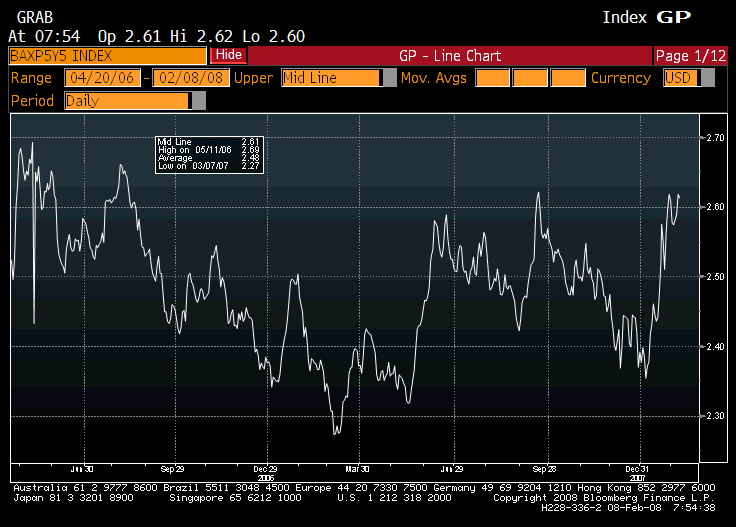
Stagflation

Yes, the below analysis has also been the Fed’s position, up until this week’s speeches.

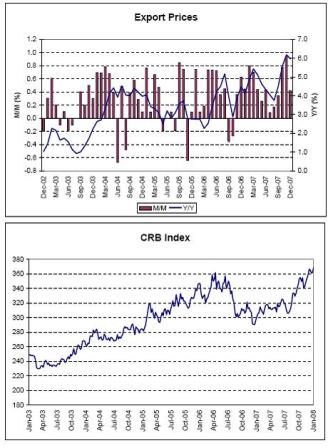
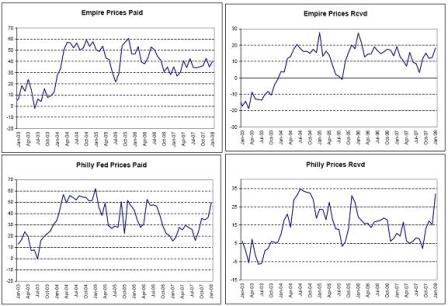
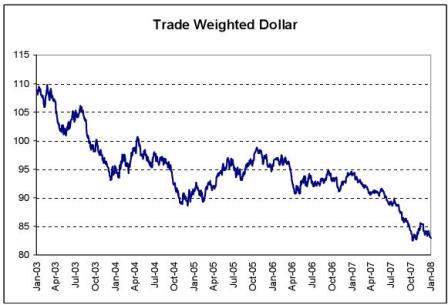
It’s been about a crude/food/$ negative supply shock, supported by Saudis/Russians acting as swing producer and biofuels linking crude prices to food prices.

The fed has called the price hikes relative value stories that they don’t want turning into an inflation story. They feel they have room to cut rates as long as expectations stay well anchored, which includes wage demands but other things as well.

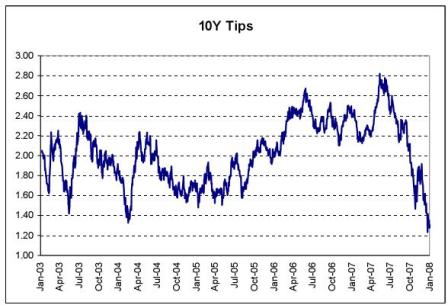
Yellen the dove, along with the hawks, now saying inflation expectations are showing signs of elevating, and saying energy costs are being passed through to core inflation is a departure from previous Fed rhetoric and may signal they are at or near their limits regarding ff cuts (data dependent, of course).

Also, Bernanke pushing Congress and the President to add to the deficit could also be a sign he is reaching his inflation tolerance regarding lowering the FF rate. The mainstream belief is that inflation is a function of monetary policy, not fiscal policy.

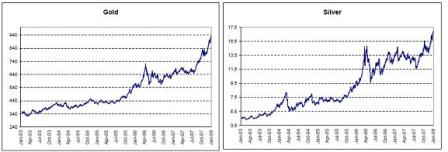
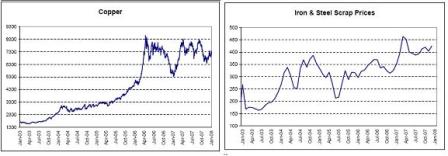
Now with the ECB perhaps throwing in the towel on inflation as well, look at how the commodities are responding. ‘Cost push inflation’ is ripping, and the perception is the CB’s around the world will act to sustain demand, including pushing for larger fiscal deficits.

Difficult to explain why so many have stagflation on the brain It is difficult to explain why so many folks still have stagflation or inflation on the brain just because wheat prices have soared to new highs. We have to distinguish between relative and absolute pricing. Not only that, but unlike the 1970s, the current ‘inflation’ backdrop is much more narrowly confined. The key is the labor market. And here we have a 4-quarter growth rate in unit labor costs of a mere 1% in 4Q (a three-year low), which compares to 4% heading into the 2001 downturn. In other words, as far as the labor market is concerned, inflation is less of a threat to the economy than it was at this same stage of the cycle seven years ago. In fact, heading into the 1990 recession, the trend in ULC was also 4% – the Fed sliced the funds rate from almost 10% to 3% that cycle, for crying out loud. In fact, scouring more than 50 years’ worth of data, at no time in the past has the year-to-year trend in unit labor costs been as low as it is today heading into an official recession. Make no mistake, deflation is going to emerge as the next major macro theme.


♥

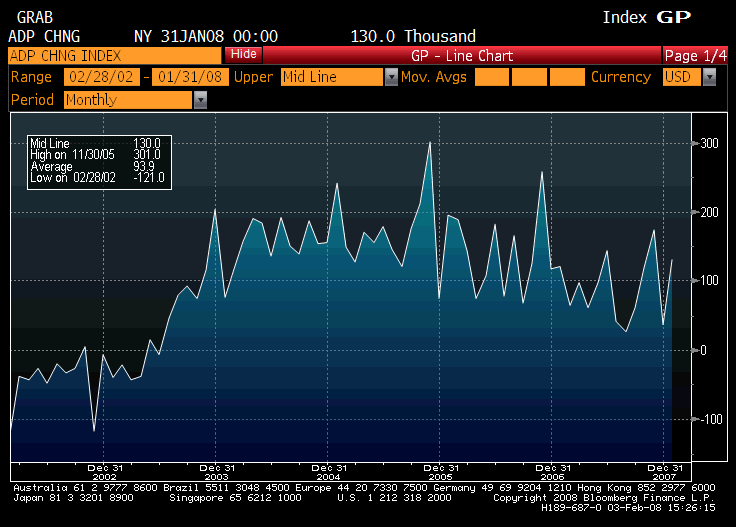
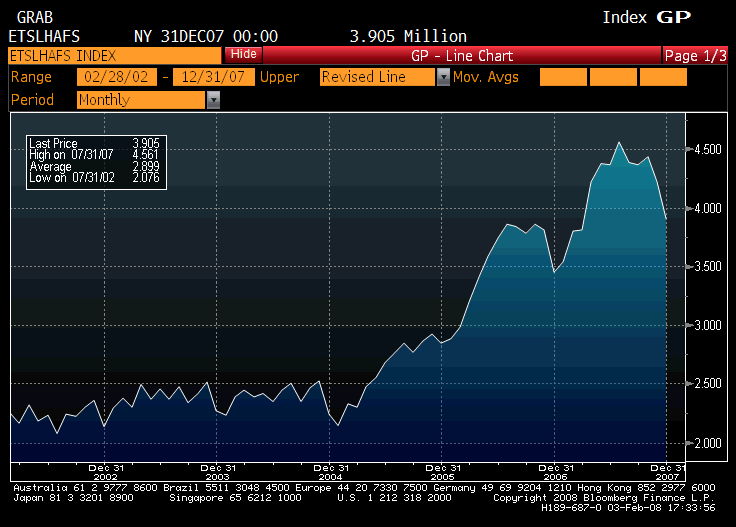
U.S. Job-Market Weakening Is Led by Self-Employed

Keeps getting stranger by the day.

Next thing they’ll be saying is GDP really fell in Q3 and Q4, but the drop was all in off the books transactions.

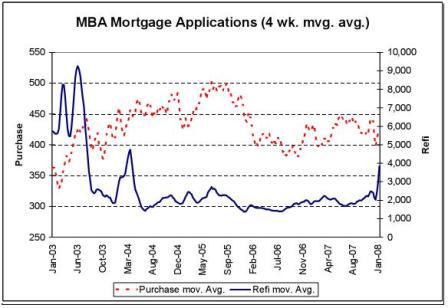
By the way CNBC actually put positive, overstated spin in the headlines on a couple of things. They said mortgage applications were the highest in years where previously the same news would have headlined that refis fell and purchase applications were still below the spike of a couple of weeks ago.

Also, they headlined Plosser’s tough talk on inflation, rather than his statement that there could be more room to ease.

This is the first time I’ve seen this since August.

Claims tomorrow. If they stay up it will be a very different day than if they drop.

U.S. Job-Market Weakening Is Led by Self-Employed, Data Shows

by Carlos Torres

The increase in U.S. unemployment that’s jeopardizing economic growth is being driven by a drop in the number of people working for themselves, government figures indicate.

Hours worked by the self-employed dropped at a 15.5 percent annual pace in the last three months of 2007, the biggest decrease in 15 years, according to data provided to Bloomberg News today by the Labor Department.

The decline “is probably related to the housing downturn, since one in six workers in construction is self-employed, twice the average for all industries,” said Patrick Newport, an economist at Global Insight, a Lexington, Massachusetts, forecasting firm.

The figures may be another indication of how the deepest real-estate slump in a quarter century is filtering through the economic statistics. The Labor Department said today that worker productivity grew more than forecast last quarter as hours for all employees, including those who work for themselves, fell at a 1.5 percent pace, the most in five years.

The number of people running their own businesses dropped by 365,000 last quarter, compared with the same period in 2006, according to separate Labor Department numbers.

The decline in the number of hours worked by the self-employed last quarter reflected a 9 percent annualized drop in employment combined with a 7 percent decrease in average weekly hours for those still with work, the department said.

Data Discord
The issue may also help resolve some discrepancies among various labor statistics, economists said.

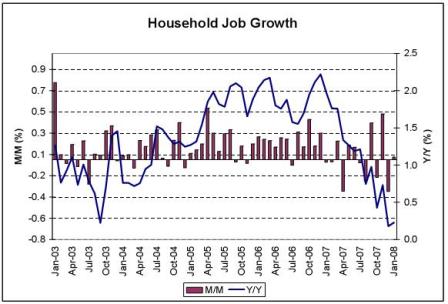
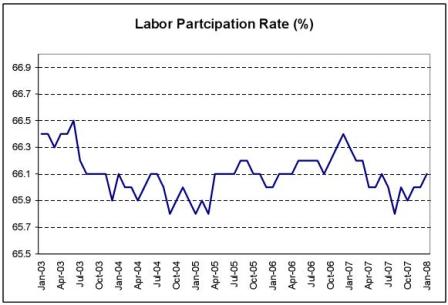
The unemployment rate, calculated from the household survey that covers the self-employed, jumped 0.3 percentage point in December. The increase prompted some economists to predict the U.S. was already, or would soon be, in a recession.

Even as the jobless rate rose, revised figures from the survey of businesses, which doesn’t track single-employee companies, showed hiring accelerated on average from the third quarter to the last three months of the year. Payrolls dropped in January for the first time in more than four years.

“Self-employment, as only calculated by the household survey, is probably reflecting the slump in the subprime mortgage market,” said Michael Englund, chief economist at Action Economics LLC, a forecasting firm in Boulder, Colorado.

Mortgage Brokers
Many mortgage brokers involved in the subprime industry work for themselves, Englund said, citing anecdotal evidence and conversations with clients.

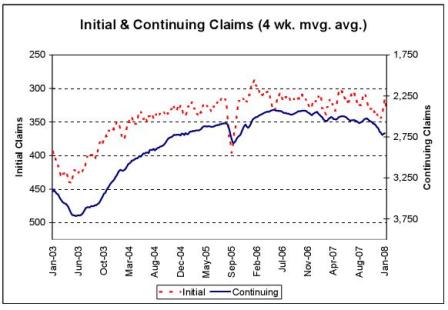
Self-employment may also help explain why first-time applications for jobless benefits have yet to reach levels normally associated with a weakening labor market. A four-week moving average of claims has ranged from 306,000 to 345,000 since July. Most economists believe it takes readings in excess of 350,000 to indicate an increase in firings.

Self-employed Americans, although they may file claims, are not eligible for benefits under the unemployment insurance system, according to the Labor Department.

“This could really help explain a lot of the conflicting signals in the data,” said Englund.


Plosser Speech

Plosser is perhaps the most hawkish Fed president.

Look for a dove to speak soon to soften this stance?

(intro remarks deleted)

The FOMC and Monetary Policy Objectives

In conducting monetary policy, the FOMC seeks to foster financial conditions, including growth of money and credit and a level of
short-term interest rates, consistent with achieving two goals: price stability and maximum sustainable economic growth.

Note this general policy statement:

I believe that the most important contribution the Fed can make to sustained economic growth and employment rests on credibly committing to and achieving long-run price stability. In fact, without a credible commitment to maintaining price stability, the Fed’s ability to promote sustainable growth would be seriously undermined. Moreover, price stability is not only an important element in achieving sustained economic growth, it is also critical in promoting financial stability.

That is the mainstream view, and the view the Fed has presented to Congress over the years regarding how it complies with its dual mandate: get price stability right and markets function to promote optimum long-term growth and employment.

The primary tool for implementing monetary policy is the federal funds rate,

(SNIP)

It is important to recognize that the influence of changes in the FOMC’s targeted funds rate on inflation and economic growth occurs with a lag, so by necessity the FOMC must be forward-looking in setting an appropriate funds rate target. It must forecast future economic growth and inflation based on available economic data and financial conditions, including a particular path for the fed funds rate.

(SNIP)

A change in the economic outlook is what was at work in the last two weeks when the FOMC decided to reduce its target fed funds rate in two steps to its current level of 3 percent.

Let me elaborate on recent economic and financial conditions and my current outlook for the economy and inflation.

The Outlook
Since last August, financial and economic conditions have deteriorated. As that occurred, policymakers revised downward their forecasts for 2008 economic growth. This took place in several steps as new data were released and, in turn, led the FOMC to lower the federal funds rate in a series of steps.

By last September, we had already seen a cumulative deterioration in the housing sector during the earlier part of 2007. In addition, the disruptions in financial markets in August caused by the problems in the subprime mortgage market raised the risk of potential adverse effects on the broader economy from a further tightening of credit conditions. As a result, I lowered my projection of economic growth for the fourth quarter of 2007 and the first half of 2008. In particular, the adjustment to my forecast involved pushing back the turnaround in residential construction, as low demand for homes meant it would take longer than expected for the economy to work off the inventories of new and existing homes for sale. The continuing high prices of oil and other commodities also suggested the potential for some slowing in the pace of economic activity, as well as hinting at increasing inflationary pressures — a point I will return to later. As the outlook changed, the FOMC lowered the fed funds rate target by 50 basis points in September, and then by another 25 basis points in both October and early December.

Since the Committee’s meeting in early December, the economic data have indicated that the deterioration in the housing market has continued unabated. Although that by itself was discouraging, other economic indicators also showed signs of an economy that was weakening. The renewed widening of some credit spreads in financial markets, along with weaker figures for retail sales, manufacturing activity, and job growth in December, led many forecasters in early January to further mark down their forecasts for 2008. The sharp rise in December’s unemployment rate, which was released in early January, also heightened many economists’ concerns about the economy’s health. What’s more, the Philadelphia Reserve Bank’s closely watched manufacturing survey recorded a surprisingly steep decline in industrial activity in January, to a level not seen since the last recession.

Although the economy’s resilience to past shocks makes me cautious about making changes to my outlook based on just one or two pieces of economic news, the string of weaker than anticipated numbers released in late December and in January had a cumulative effect on my own assessment of the 2008 outlook. While I would not be very surprised if the economy bounces back more quickly than many forecasters are now projecting, I am now, nevertheless, anticipating a weaker first half of 2008 than I did in October. This downward revision to the economic outlook is what led me to conclude that a substantially lower level of interest rates was needed to support the process of returning the economy to its trend rate of growth. Consequently, I believe the recent reductions in the federal funds rate were a necessary and appropriate recognition of this changed outlook.

The ongoing housing correction and the volatility and uncertainty in the credit markets are significant near-term drags on the economy and I expect growth in the first half of the year to be quite weak, around 1 percent. As conditions in the housing and financial markets begin to stabilize, I expect growth to improve in the second half of the year and to move back to trend, which I estimate is around 2.7 percent, in 2009. Overall, I am now anticipating economic growth in 2008 of near 2 percent.

Confirming ‘trend’ GDP at 2.7%.

Given the slowdown in economic growth this year, payroll employment will rise more slowly than last year and will remain below trend for much of the year before picking up in 2009. Slower job growth will also lead to an unemployment rate near 5-1/4 percent in 2008, after fluctuating between 4‑1/2 and 5 percent in 2007.

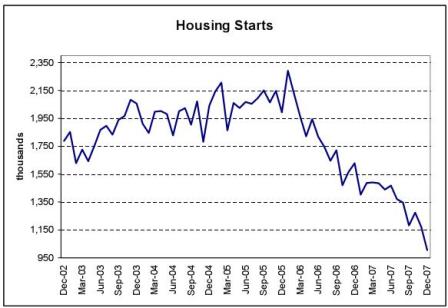
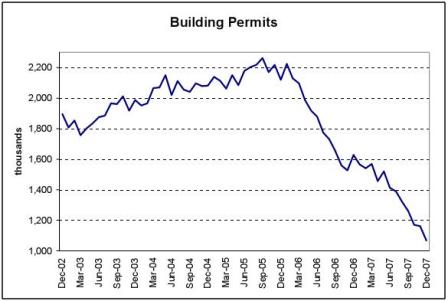
Two adjustments will continue to be needed to help work down the large number of unsold homes: further cuts in construction and declines in housing prices. I expect the decline in housing starts will bottom out in the middle of this year, but starts are likely to then be quite flat through the end of 2009 as the inventory of unsold homes is reduced gradually.

Interesting how long he thinks starts will stay around one million.

Of course, as was the case in 2007, how quickly housing bottoms out remains one of the main uncertainties surrounding any forecast in today’s environment. It seems that ever since last spring, the turnaround in housing was always six months away. Well, nine months later, it is still six months away. Simply having housing stop contracting will help economic growth. In 2007 the decline in residential construction took 1 percentage point off real GDP growth, which turned out to be 2.5 percent for the year (4th quarter to 4th quarter). Once residential construction stops declining, it will cease subtracting from overall growth. But housing is unlikely to make a positive contribution to economic growth until 2009.

Business investment should continue to increase this year, but at a slower pace than in 2007. Outside of autos and housing, there isn’t a large inventory overhang in the economy to be worked off. This is actually good news. Recessions are often preceded by periods of large inventory accumulation and much of the decline in production during recessions reflects a working off of an inventory imbalance. The absence of such an inventory overhang is encouraging.

The biggest component of GDP is consumer spending. With slower growth of employment and personal income in the first half of 2008, and as the decline in the value of homes and equities diminishes households’ net worth, consumer spending is likely to grow more slowly before picking up again in 2009.

One piece of good news has been the growth in exports. The trade sector supported economic growth last year as domestic demand weakened in the U.S. while foreign growth remained strong. The declining dollar also helped fuel a rebound in our exports. The net export component of GDP should continue to improve this year, although more slowly than it did in 2007 because we are likely to see somewhat slower growth among our major trading partners this year.

Inflation
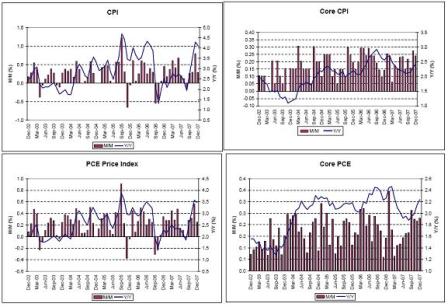
Let me now turn to the outlook for inflation. Unfortunately, I expect little progress to be made in reducing core inflation this year or next, and I am skeptical that slower economic growth will help.

My understanding is the Fed was forecasting weakness that would bring down inflation.

All you have to do is recall the 1970s when we experienced both high unemployment and high inflation to appreciate that slow economic growth and lower inflation do not necessarily go hand in hand. I anticipate that core inflation (which excludes the prices of food and energy) is likely to remain in the 2 to 2‑1/2 percent range in 2008, which is above the range I consider to be consistent with price stability. If oil prices stabilize near their current levels, I expect headline, or total, inflation to decrease to around the 2 to 2‑1/2 percent range in 2008.

That is not a welcome forecast for the FOMC. They don’t want to conduct policy that lets core get that high.

(SNIP)

As the FOMC’s January 30 statement said, it will be necessary to continue to monitor inflation developments carefully. Most measures of inflation, including the core CPI and core PCE price measures, accelerated in the second half of 2007 compared to the first half. With inflation creeping up, we have to be particularly alert for rising inflation expectations. It is important that inflation expectations remain stable. If those expectations become unhinged, they could rapidly fuel inflation.

Again, that is the mainstream view. The expectations operator is key to a relative value story turning into an inflation story, as they say.

Moreover, as we learned from the experience of the 1970s, once the public loses confidence in the Fed’s commitment to price stability, it is very costly to the economy for the Fed to regain that confidence. The painful period of the early 1980s was the price the economy paid to restore the credibility of the Fed’s commitment — we certainly do not wish to go through that process again.

The mainstream often states it this way: ‘The real cost of bringing down inflation once expectations elevate is far higher than the cost of a near term recession.’

Fortunately, so far inflation expectations have not changed very much. But they bear watching because there are some signs that they, too, are edging higher. These may be early warning signs of a weakening of our credibility, and we must be very careful to avoid that.

The Fed is divided here. Most say that if expectations begin to elevate, it could be too late -the inflation cat is out of the bag- so, that much be avoided at all costs. Others say you can let them elevate a little bit, but must then act quickly to bring inflation down.

Monetary Policy Going Forward

(SNIP)

Over the course of the last five months, as forecasts for economic growth have been revised downward, the FOMC has lowered the fed funds rate by 225 basis points — from 5.25 percent to 3 percent. Taking expected inflation into account, the level of the federal funds rate in real terms — what economists call the real rate of interest — is now approaching zero. That is clearly an accommodative level of real interest rates. The last time the level of real interest rates was this low was in 2003-2004. But that was a different time with a different concern — deflation — and we were intentionally seeking to prevent prices from falling. Recently we have had reason to be worried about rising inflation, not declining prices.

This is a very strong statement – real interest rates are near zero, which was maybe appropriate given deflation fears in 2004, but he says not that is not the issue.

The FOMC’s reductions in the federal funds rate have been proactive in responding to evolving economic conditions that led to the deterioration in the outlook for economic growth. My inclination to alter monetary policy depends on whether the accumulation of evidence based on the data between now and our next meeting causes me to revise my forecast further. Weaker than expected data might lead to a downward revision, while stronger than expected data may lead to an upward revision to the forecast.

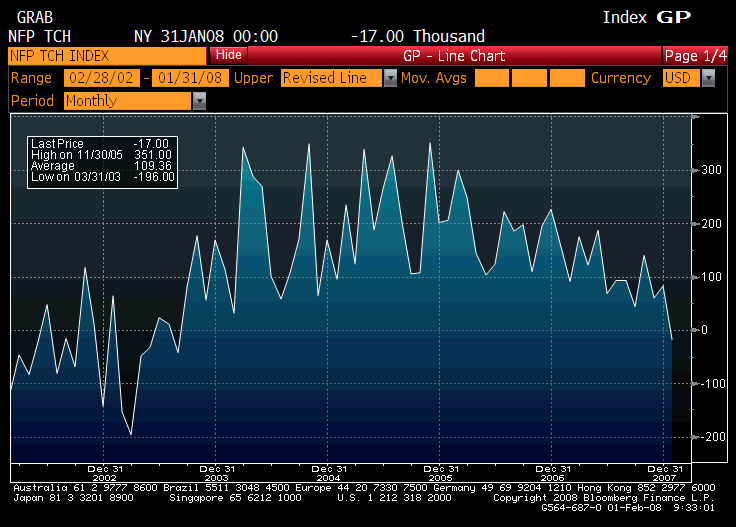
To make this point concrete, last Friday the Bureau of Labor Statistics reported that the economy lost 17,000 jobs in January. This was not an encouraging number. However, it was consistent with my forecast of weak employment growth in the first quarter of this year. Thus, by itself, it does not lead to a substantive revision to my forecast. We must look at the accumulation of data from a variety of sources to assess how the outlook may have changed relative to what was expected.

The payroll number did not change his forecast.

I also want to note that in early January there was much concern when the BLS reported only 18,000 jobs were created in December. Yet in the employment report last Friday that preliminary number was revised up to 82,000. Thus, we have to realize that economic data are subject to revision, and we have to be very careful not to rely on any one statistic or data series in assessing current economic conditions or our outlook.

Looks like he recognized January may be also revised up as December and August were.

There are those who have expressed the view that in times of economic weakness, the Fed must not worry about inflation and should focus its entire effort on restoring economic growth by dramatically driving interest rates down as far and as rapidly as possible. To borrow a line attributed to that famous, or perhaps infamous, Union Admiral David Farragut at the Battle of Mobile Bay, it is sort of a “damn the torpedoes, full speed ahead” approach to policy. But the Fed has a dual mandate for a reason. Price stability is a necessary component for achieving sustained economic growth. Ignoring price stability during times of economic weakness risks undermining our ability to achieve economic growth over the long run. It fuels higher inflation down the road and risks inappropriate risk taking and recurring boom/bust cycles. This would be counterproductive.

Again, this is the mainstream view.

Although it might be tempting to think that monetary policy is the solution to most, if not all, economic ills, this is not the case. I think it is particularly important, for example, to recognize that monetary policy cannot solve all the problems the economy and financial system now face. It cannot solve the bad debt problems in the mortgage market. It cannot re-price the risks of securities backed by subprime loans. It cannot solve the problems faced by those financial firms at risk of being given lower ratings by rating agencies because some of their assets are now worth much less than previously thought. The markets will have to solve these problems, as indeed they will. But it will take some time. However, the Fed can and should help by offsetting some of the restraint created by tightening credit conditions and the sharp reduction in housing investment. The Fed can and should also promote the orderly functioning of financial markets.

Going forward, then, my approach to making monetary policy decisions will be to look at incoming information and ask whether it is consistent with my outlook and the achievement of the Fed’s dual mandate. My outlook for 2008 already incorporates the fact that we will be receiving quite a few weak economic numbers in the first half of the year. However, to the extent that economic conditions evolve differently than expected, we will need to be prepared to incorporate those changing conditions into our policy decisions in a manner that is consistent with our dual mandate.

He uses the term ‘dual mandate’ to stress the importance of price stability.

Conclusion
In conclusion, my own forecast for economic activity has been revised downward since last October as economic conditions have evolved. I believe the recent reductions in the level of the federal funds rate target will be supportive of the economic adjustment process and a return to trend growth near the end of this year and on into 2009. The Fed has been aggressive in making this adjustment in rates, which will mitigate some, but not all, of the problems the economy and financial markets are facing. Some problems will simply take time for the financial markets to work out.

Seems his opinion is that unless the economy weakens more than currently forecast, the Fed is done.

In taking aggressive action in supporting the economy’s eventual return to its trend growth rate, I continue to believe we must not lose sight of the other part of the Fed’s dual mandate – which is price stability. We cannot be confident that a slow-growing economy in early 2008 will by itself reduce inflation.

The FOMC has been banking on this happening, Plosser is not so sure.

I am also convinced that we need to keep our eye on both headline as well as core inflation in assessing how well we are doing in achieving our goal of price stability.

Going forward, monetary policy decisions will depend on how the economy unfolds and whether further changes in the economic outlook are necessary.

Again, let me thank Philip Jackson and the Rotary Club for inviting me to return to speak here in Birmingham.


2008-02-01 US Economic Releases

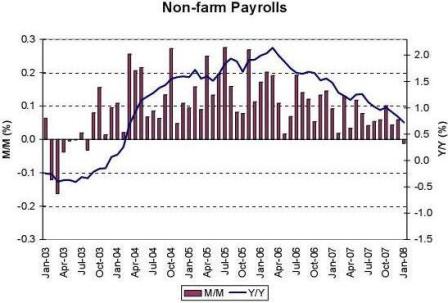
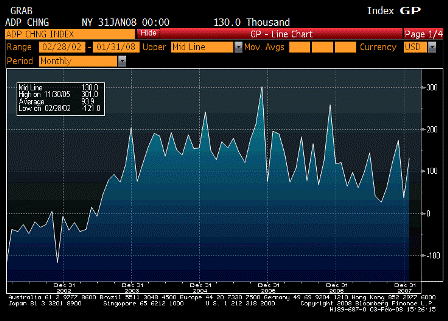
2007-02-01 Change in Nonfarm Payrolls

Change in Nonfarm Payrolls (Jan)

Survey 70K
Actual -17K
Prior 18K
Revised 82K

Last negative number was August – got revised up.

Apart from the unrevised January number, the revised previous numbers don’t look too bad.

(See following report.)


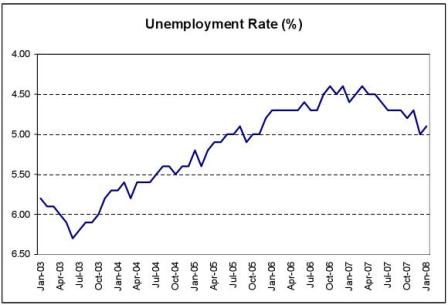
2008-02-01 Unemployment Rate

Unemployment Rate

Survey 5.0%
Actual 4.9%
Prior 5.0%
Revised n/a

Slight downtic.

The Fed calls 4.75% full employment.

So, this is close enough.


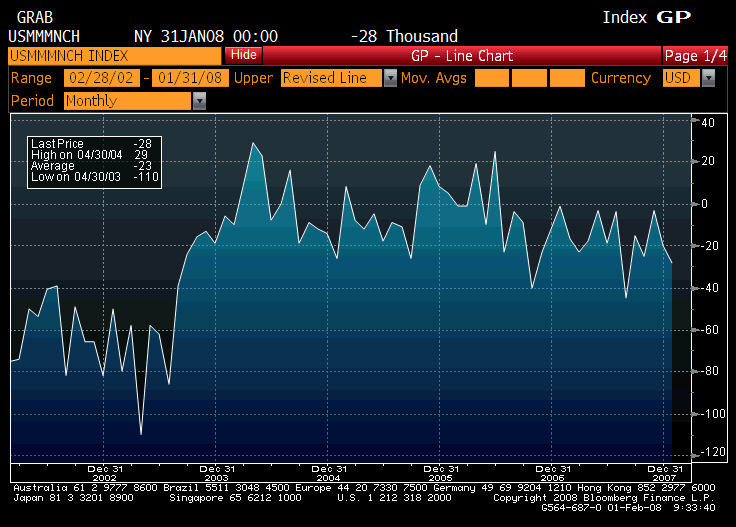
2008-02-01 Change in Manufacturing Payrolls

Change in Manufacturing Payrolls (Jan)

Survey -20K
Actual -28K
Prior -31K
Revised -20K

Suspiciously low as a per December durable goods and export numbers.


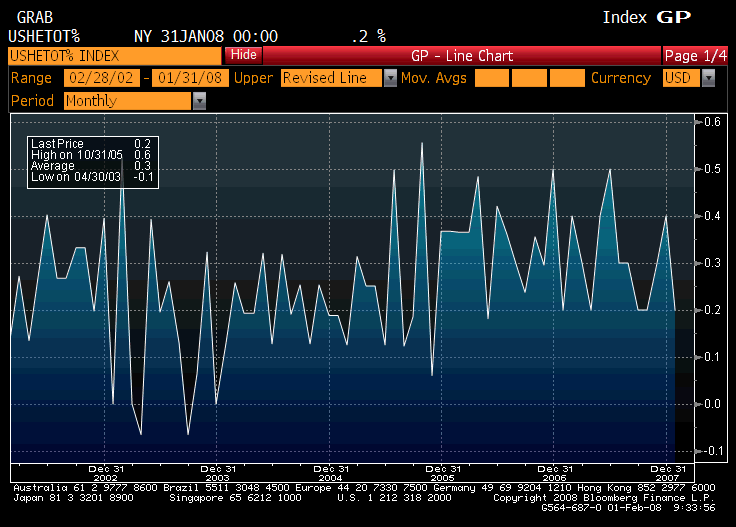
2008-02-01 Average Hourly Earnings MoM

Average Hourly Earnings MoM (Jan)

Survey 0.3%
Actual 0.2%
Prior 0.4%
Revised n/a

2008-02-01 Average Hourly Earnings YoY

Average Hourly Earnings YoY (Jan)

Survey 3.9%
Actual 3.7%
Prior 3.7%
Revised n/a

Seems to be under control though a weak productivity number could raise unit labor costs.


2008-02-01 Average Weekly Hours

Average Weekly Hours

Survey 33.8
Actual 33.7
Prior 33.8
Revised n/a

Down a bit. Fairly steady.


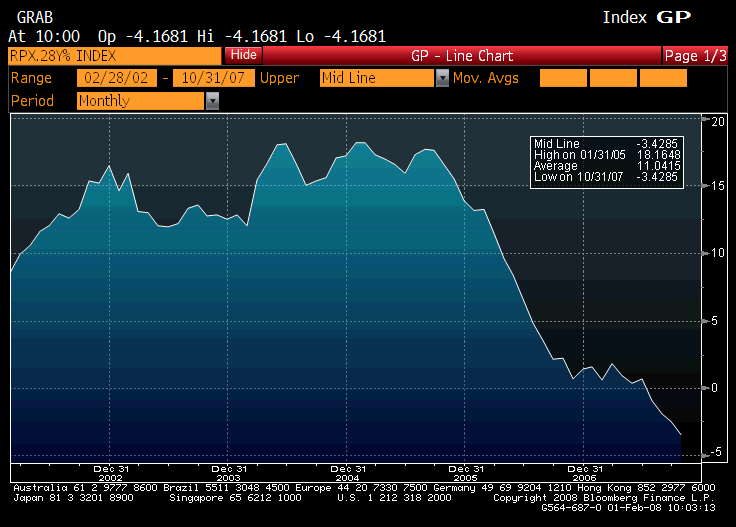
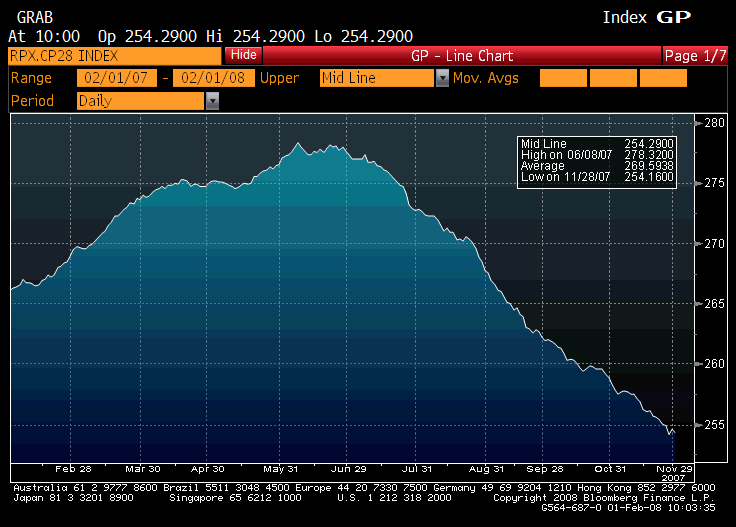
2008-02-01 RPX Composite 28dy YoY

RPX Composite 28dy YoY (Nov)

Survey n/a
Actual -4.1681
Prior -3.4285
Revised n/a

small-2008-02-01-rpx-composite-28dy-index.gif

RPX Composite 28dy Index (Nov)

Survey n/a
Actual 254.3
Prior 255.5
Revised 258.9

November housing was weak.


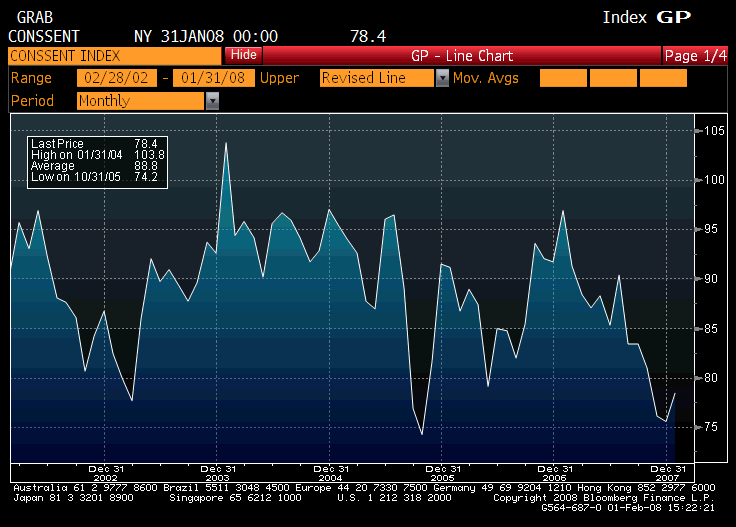
2008-02-01 U. of Michigan Confidence

U. of Michigan Confidence (Jan F)

Survey 79.0
Actual 78.4
Prior 80.5
Revised n/a

Not bad.

2008-02-01 U. of Michigan TABLE

Both current and expected improved.

U. of Michigan TABLE


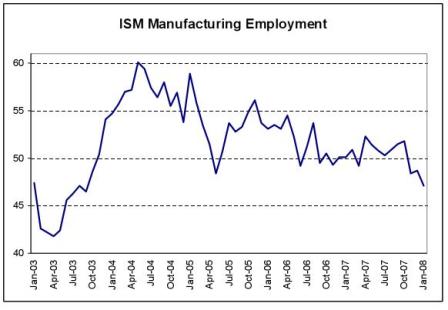
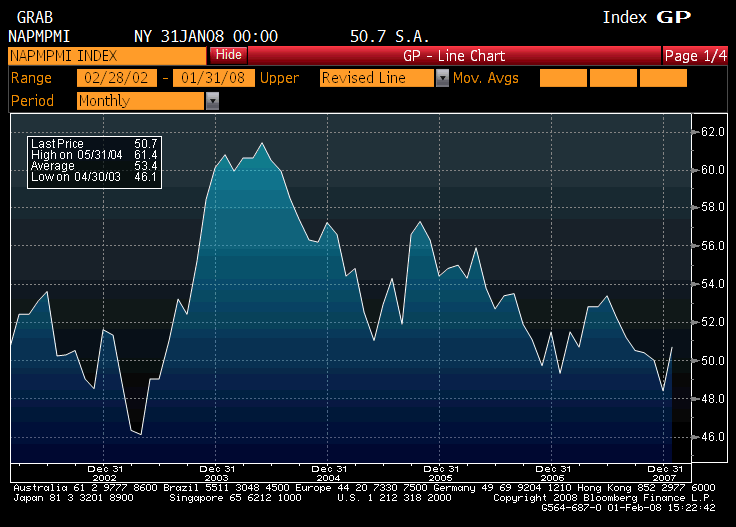
2008-02-01 ISM Manufacturing

ISM Manufacturing (Jan)

Survey 47.3
Actual 50.7
Prior 47.7
Revised 48.4

Back to growth mode.


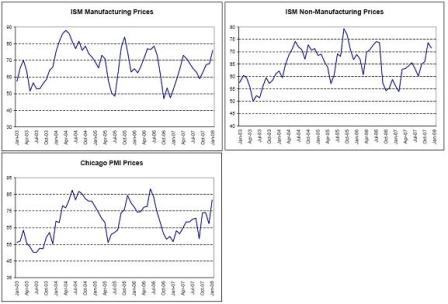
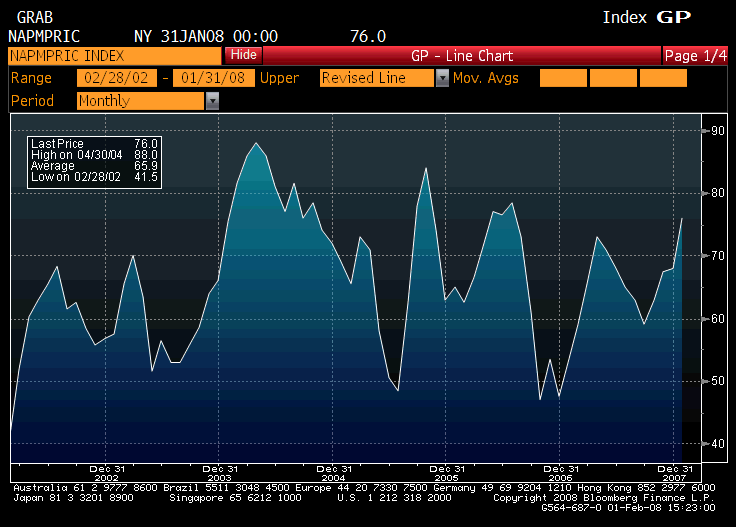
2008-02-01 ISM Prices Paid

ISM Prices Paid (Jan)

Survey 68.0
Actual 76.0
Prior 68.0
Revised n/a

Inflation ripping here.


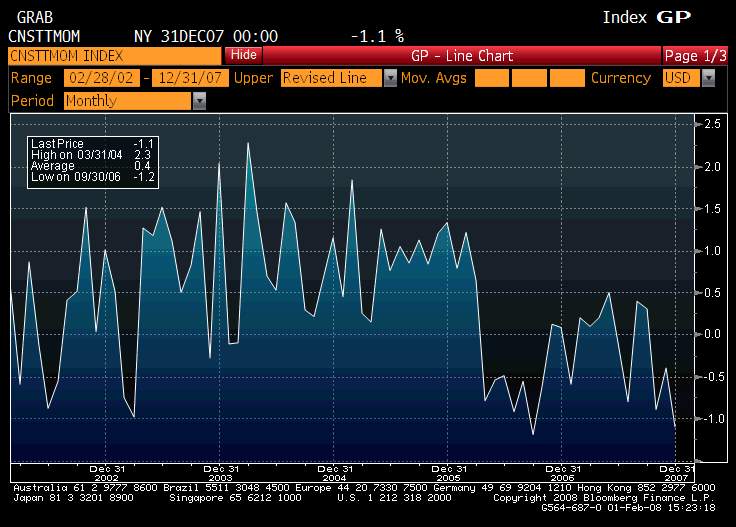
2008-02-01 Construction Spending

Construction Spending MoM (Dec)

Survey -0.5%
Actual -1.1%
Prior 0.1%
Revised -0.4%

Still bumping along the bottom.

2008-01-31 US Economic Releases

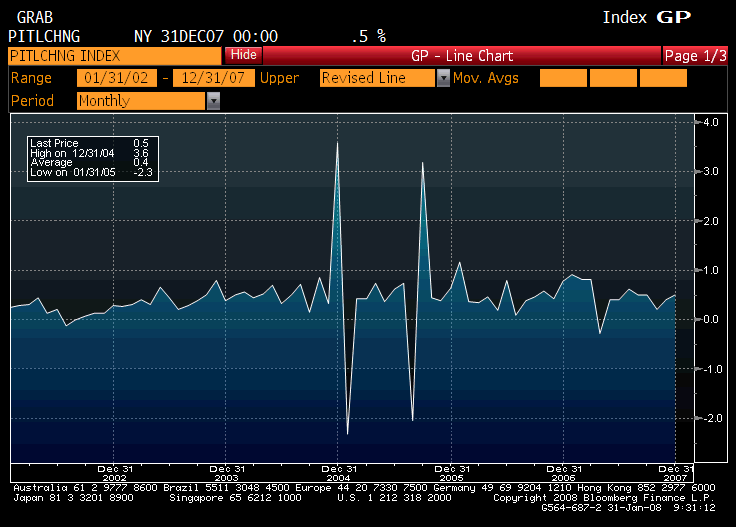
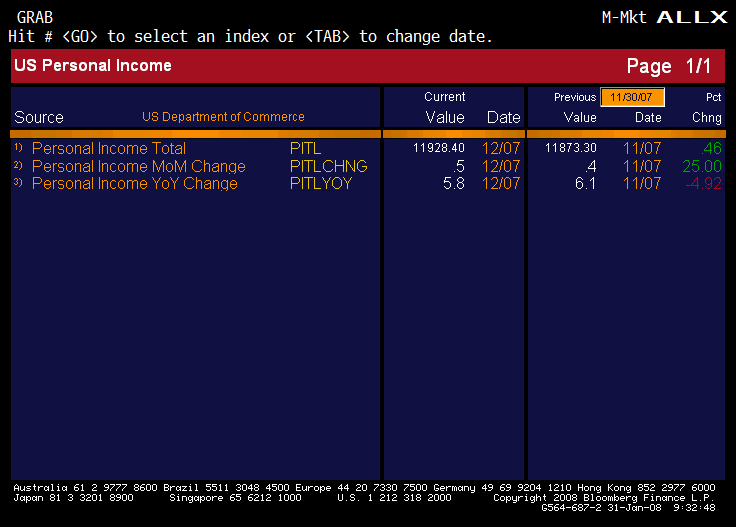
2008-01-31 Personal Income

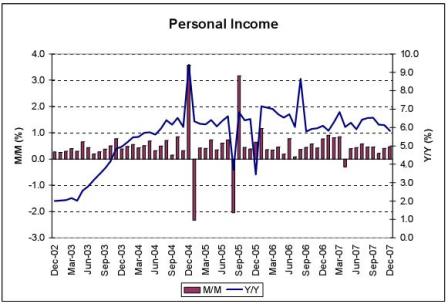
Personal Income (Dec)

Survey 0.4%
Actual 0.5%
Prior 0.4%
Revised n/a

2008-01-31 Personal Income TABLE

Personal Income TABLE

A bit better than expected, holding up reasonably well, as declining interest rates reduce interest income component.


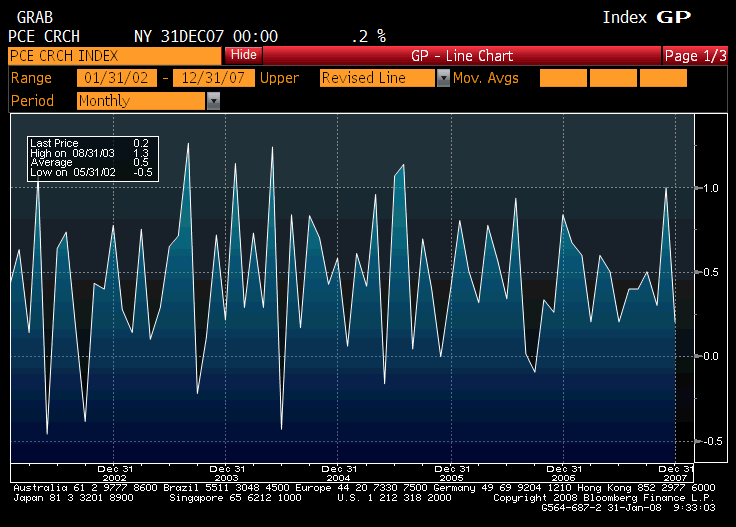
2008-01-31 Personal Spending

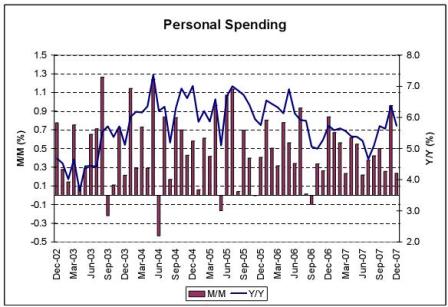
Personal Spending (Dec)

Survey 0.1%
Actual 0.2%
Prior 1.1%
Revised 1.0%

2008-01-31 Personal Spending TABLE(1)

2008-01-31 Personal Spending TABLE(2)

Personal Spending TABLE

OK number after last month’s large increase.

Also holding up reasonably well, but trending modestly downward.


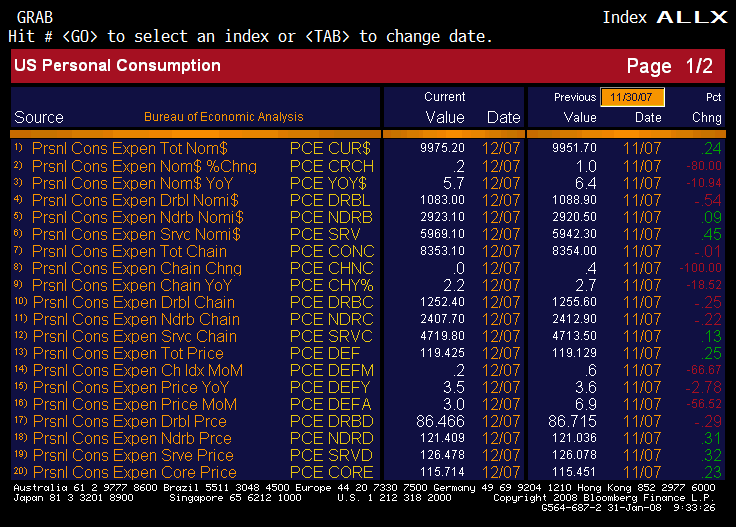
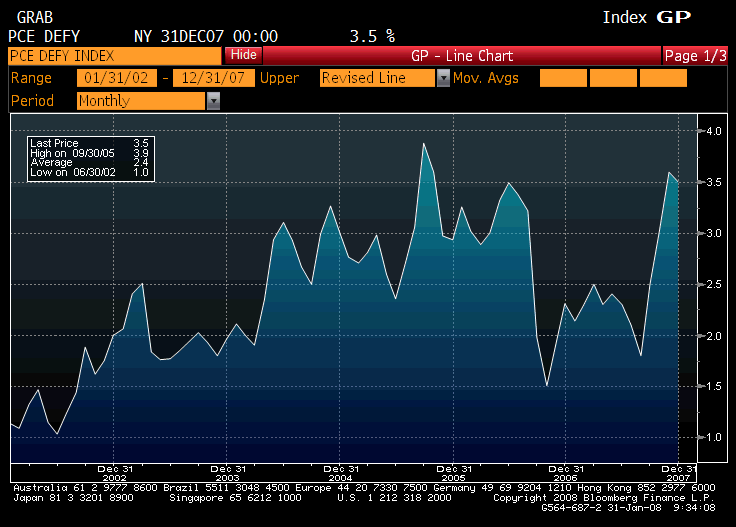
2008-01-31 PCE Deflator YoY

PCE Deflator YoY (Dec)

Survey 3.5%
Actual 3.5%
Prior 3.6%
Revised n/a

Too high for the Fed, but hopefully it will come down to core.


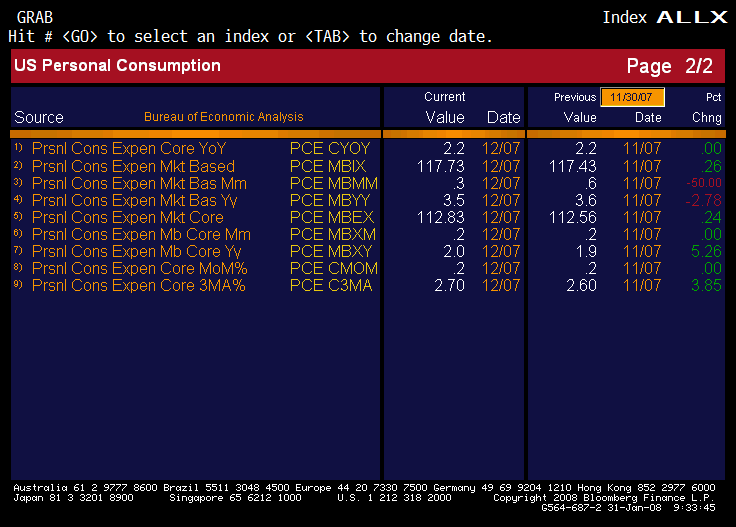
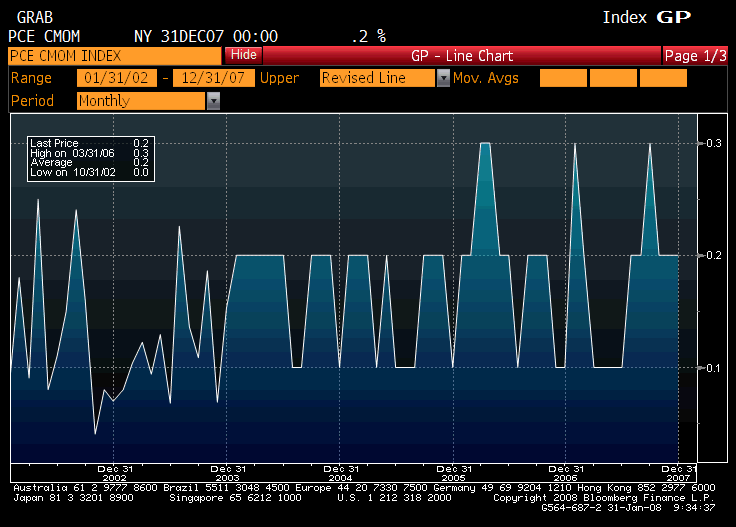
small-2008-01-31-pce-core-mom.gif

PCE Core MoM (Dec)

Survey 0.2%
Actual 0.2%
Prior 0.2%
Revised n/a

Actual was 0.23%


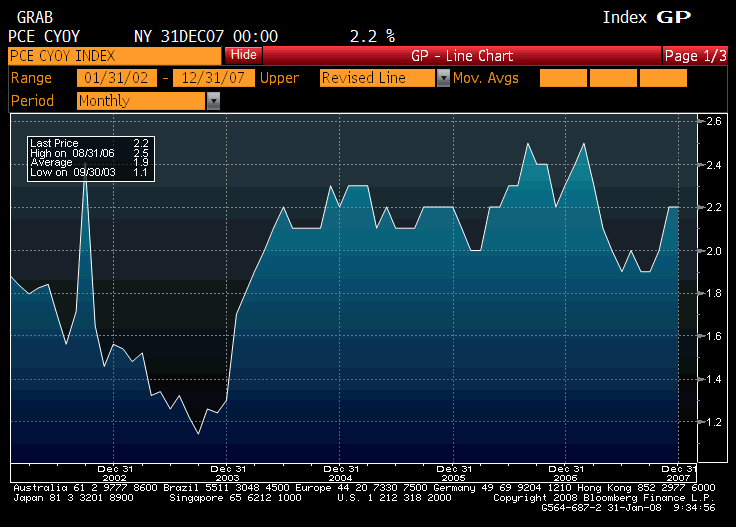
2008-01-31 PCE Core YoY

PCE Core YoY (Dec)

Survey 2.2%
Actual 2.2%
Prior 2.2%
Revised n/a

Fed OK with this number and should be OK next month as January 2007 was up 0.2%. After that, the 2007 numbers are 0.1%’s for a while; so, there’s a better chance of YoY increases after that.


2008-01-31 Initial Jobless Claims

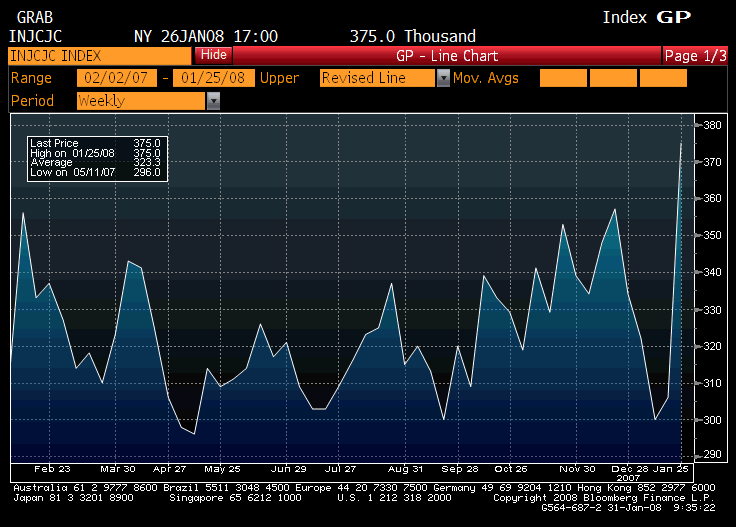
Initial Jobless Claims (Jan 26)

Survey 319K
Actual 375K
Prior 301K
Revised 306K

Big jump up as expected by Karim.

4 week average about 325,000 likely return to pre-January trend of about 350,000 (See Karim’s report).

Not yet the stuff of recession.


2008-01-31 Continuing Claims

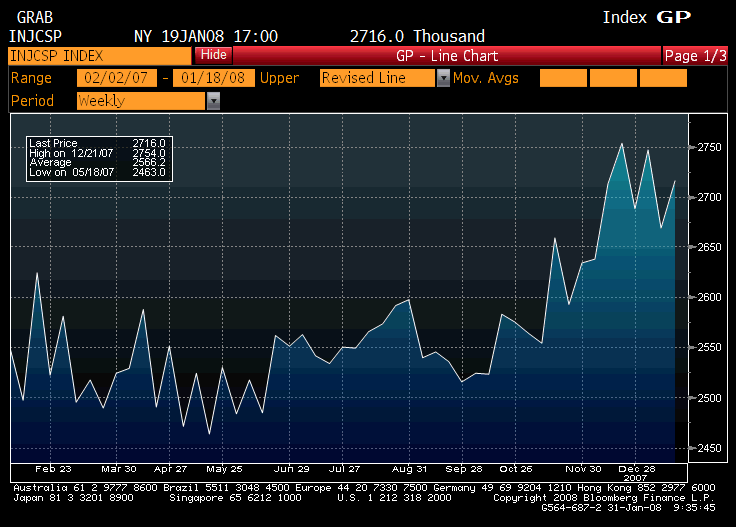
Continuing Claims (Jan 19)

Survey 2685K
Actual 2716K
Prior 2672K
Revised 2669K

Moved back up some.

Also not yet the stuff of recession.


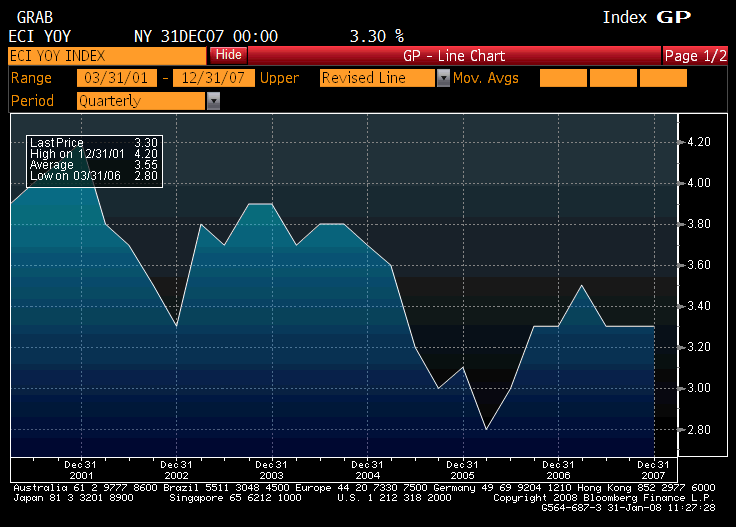
2008-01-31 Employment Cost Index

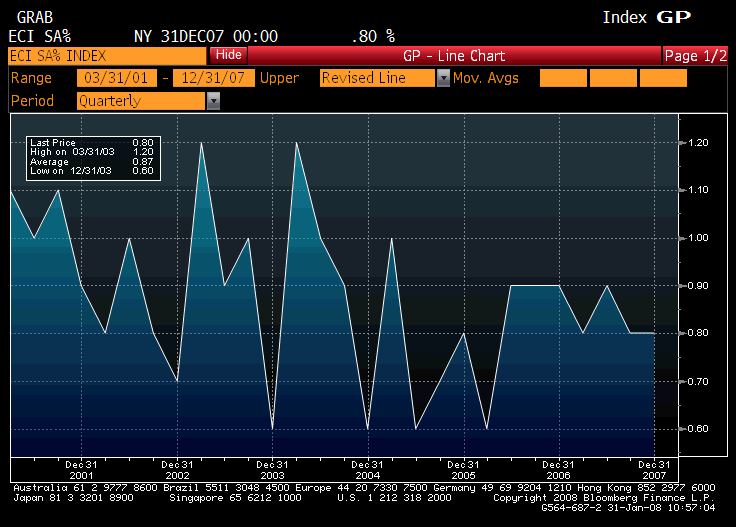
Employment Cost Index (4Q)

Survey 0.8%
Actual 0.8%
Prior 0.8%
Revised n/a

2008-01-31 Employment Cost Index YoY

Employment Cost Index YoY

Survey n/a
Actual 3.3%
Prior 3.3%
Revised n/a

As expected, Fed is OK with this, but may be giving it too much weight, as it may be the last inflation indicator to move in this cycle.


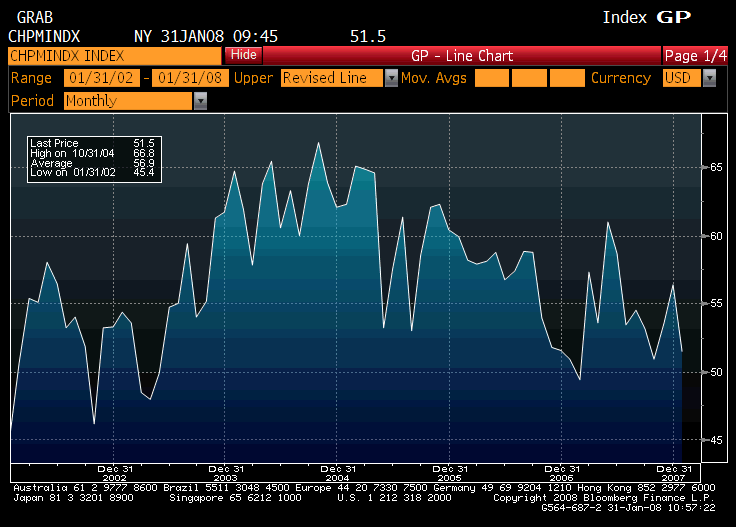
2008-01-31 Chicago Purchasing Manager

Chicago Purchasing Manager (Jan)

Survey 52.0
Actual 51.5
Prior 56.6
Revised 56.4

Still above 50, not the stuff of recession yet.


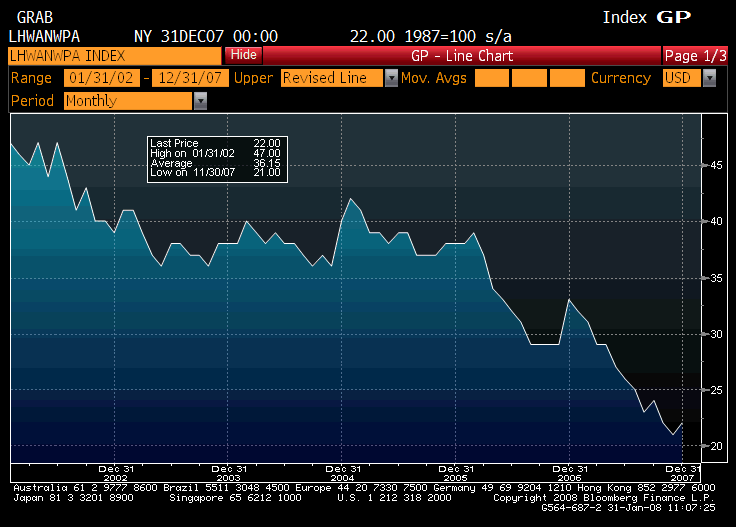
2008-01-31 Help Wanted Index

Help Wanted Index (Dec)

Survey 20
Actual 22
Prior 21
Revised n/a

Very small uptick from a very low level.


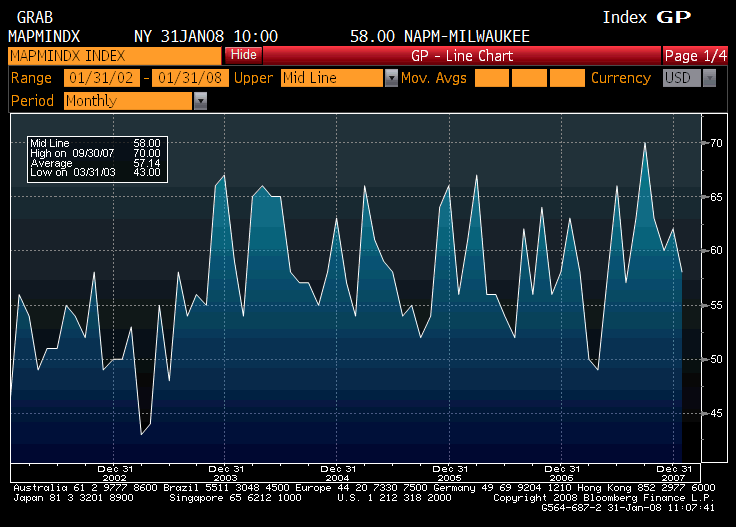
2008-01-31 NAPM-Milwaukee

NAPM-Milwaukee (Jan)

Survey n/a
Actual 58.0
Prior 62.0
Revised n/a

No recession here, yet.


♥

Claims, ECI

From Karim:

  • True to the past 5yrs pattern, claims seem to be reverting to trend after the first few weeks of January.

Right, good call!

  • IJC climbed from 306k to 375k; the trend before the January drop was around 340-350k; this number was for MLK holiday week, so an adjustment issue here as well; bottom line is I think trend is still around 350k.
  • Continuing claims rose from 2685k to 2716k.
  • ECI (both headline and wage component) up 0.8% q/q

Data below is for Dec, so was largely known in yday’s GDP number.

  • Personal income up 0.5%, with wage and salary component up 0.4%
  • Core PCE up 0.2% m/m (2.2% y/y)

Most meaningful data here was continuing claims (little to no hiring taking place) and ECI (wage gwth still tame).

And Fed still looking at this as an indication of ‘inflation expectations’.


♥

Oil comments

Iraqi Oil Minister Sees No Output Change from OPEC

(Reuters) Iraq’s oil minister Hussain al-Shahristani said on Thursday there was no sign of any shortage of oil in international markets and he did not expect OPEC to change its output levels at a meeting this week.

Saudis might like letting prices sag in front of meetings to stave off production increase talk.

“Quite frankly, the data we are looking at do not show any shortage of oil on the market. The prices are not really affected by any fundamental market forces,”

Right, just the Saudis (and probably Russians as well) setting price and letting the quantity they pump adjust, aka acting as swing producer.

Shahristani said ahead of the meeting on Friday of OPEC oil ministers in Vienna.

Twin themes continue – moderating demand and inflation.

So far, the Fed is directing all its efforts to the demand issue, including support for the coming fiscal package.


Valance Weekly Economic Reports: Global News Highlights

Same twin themes taking hold – weakness and inflation.

Highlights:
US Mixed data
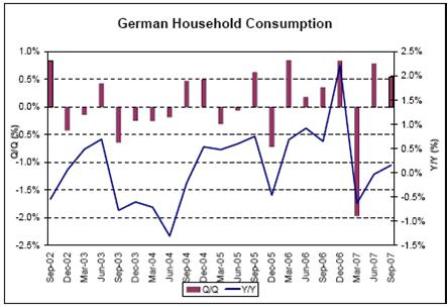
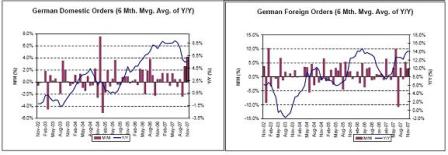
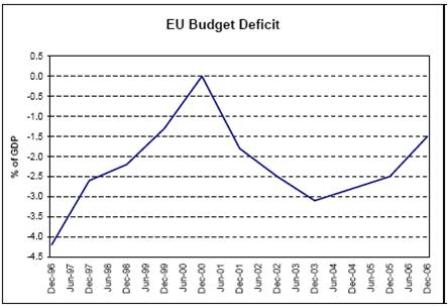
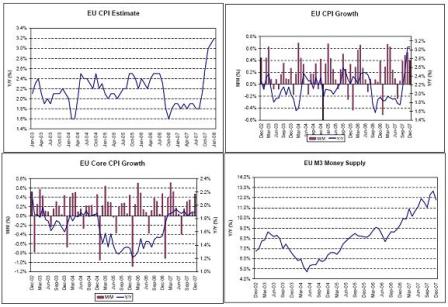
EU Softening data could change ECB’s inflation rhetoric
JN CPI Higher on food, energy prices; Mixed data continues
UK Housing Market Continued To Show Weakness
AU Businesses Less Confident About Q1 economic outlook

♥