Spain, QE chart, Wholesale trade, UK and France industrial production, Import and export prices

Fyi, we will be in Spain next week.

Here are some of the details:

There is a newly formed MMT Group in Spain called APEEP which stands for “Asociación para el Pleno Empleo y la Estabilidad de Precios”.

In an effort to bring MMT into the political debate in Spain, they will be hosting me for a presentation of the Spanish translation of “The Seven Deadly Innocent Frauds of Economic Policy”, starting with a presentation in Madrid on the 14th of September, Valencia on the 15th of September, and Vila-real on the 17th of September.

Here are links for the events, including time/date/location

14th September Madrid
15th September Valencia
17th September VilaReal

And this is the press release for the events containing more details.

Also:

Asociación Para el Pleno Empleo y la Estabilidad de Precios (APEEP) (Association for Full Employment and Price Stability), is a non-profit organization devoted to raising awareness and disseminating Modern Monetary Theory amongst the Spanish public. APEEP believes that full employment and price stability are compatible if public policy is conducted within an MMT framework. The current economic crisis within the Eurozone highlights the need for a Post Keynesian and MMT approach to public policy.

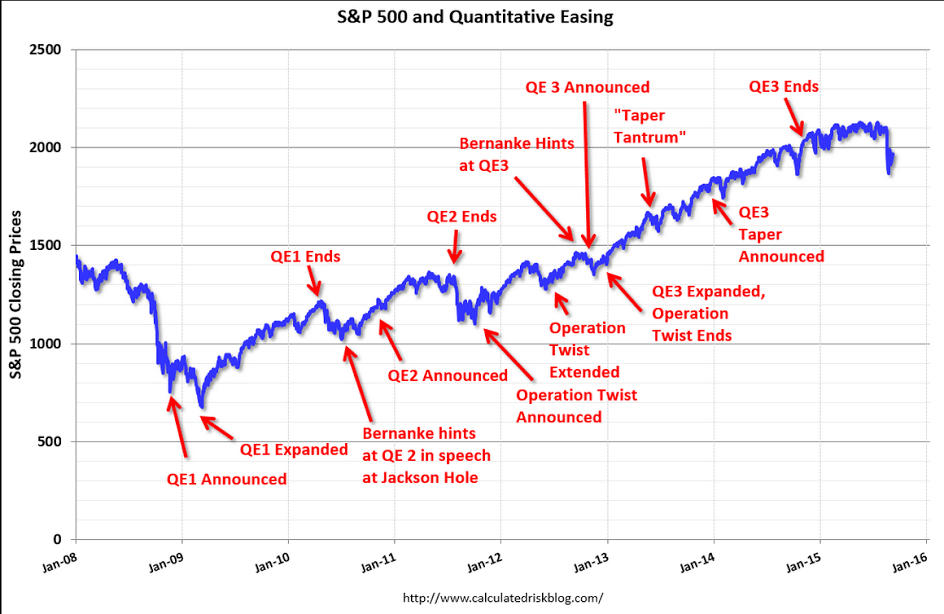
You’d think by now word would be out it’s just a placebo, but ancient beliefs tend to linger on…
er-9-10-1
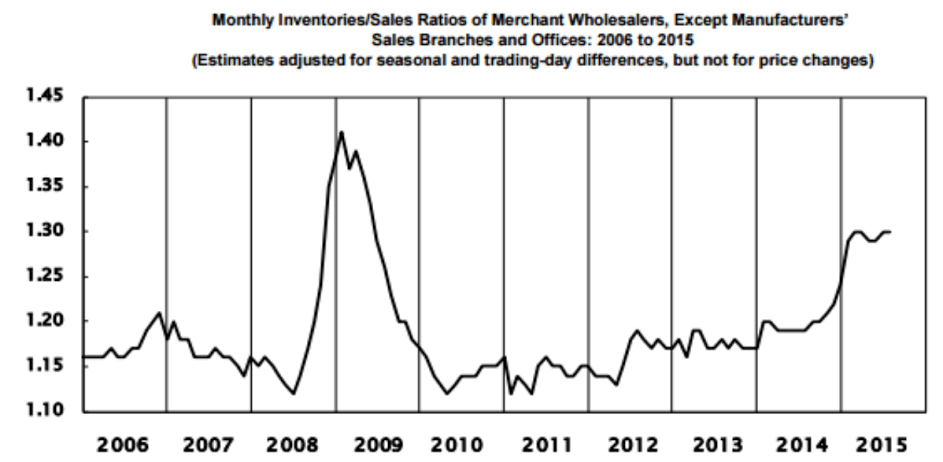
Not good- sales down and inventories remain elevated:

United States : Wholesale Trade
er-9-10-2

Highlights
Factory inventories held stable in July as did wholesale inventories, down 0.1 percent against a 0.3 percent decline in sales that leaves the stock-to-sales ratio unchanged at 1.30. Wholesale inventories look light for machinery and apparel but heavy for farm products and metals.

The nation’s inventories are heavier than they were last year which may limit future production and hiring. Next data on inventories will be the business inventories report on Tuesday.

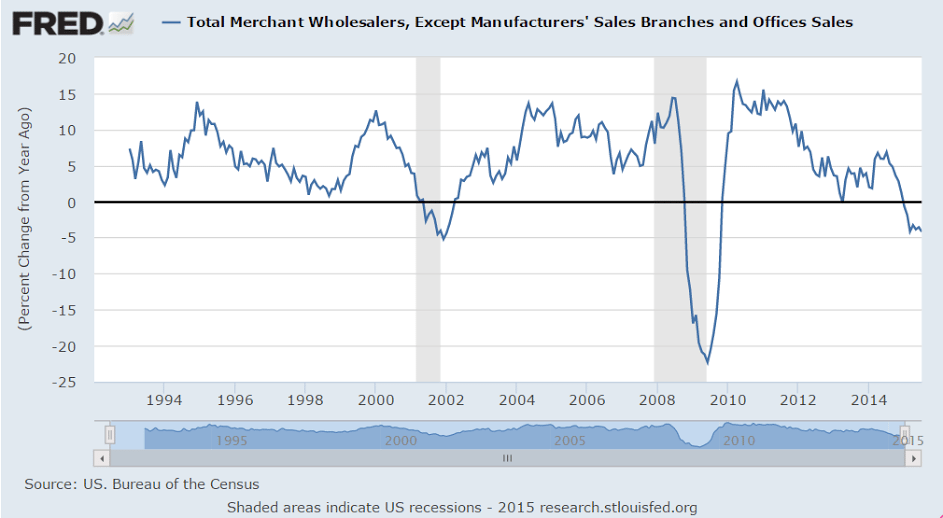
MONTHLY WHOLESALE TRADE: SALES AND INVENTORIES July 2015 Sales. The U.S. Census Bureau announced today that July 2015 sales of merchant wholesalers, except manufacturers’ sales branches and offices, after adjustment for seasonal variations and trading-day differences but not for price changes, were $449.5 billion, down 0.3 percent (+/-0.5)* from the revised June level and were down 4.2 percent (+/-1.4%) from the July 2014 level. The June preliminary estimate was revised upward $1.0 billion or 0.2 percent.

This chart is now looking a lot like prior recessions:
er-9-10-3

Inventories/Sales Ratio. The July inventories/sales ratio for merchant wholesalers, except manufacturers’ sales branches and offices, based on seasonally adjusted data, was 1.30. The July 2014 ratio was 1.19.
er-9-10-4

Great Britain : Industrial Production
er-9-10-5
France : Industrial Production
er-9-10-6
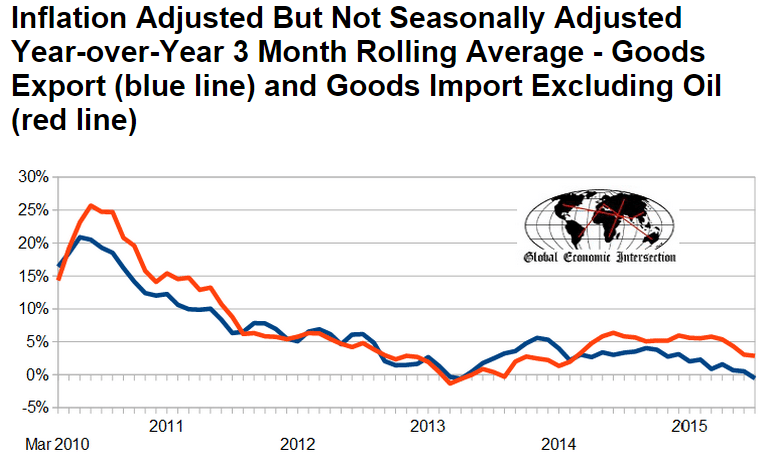
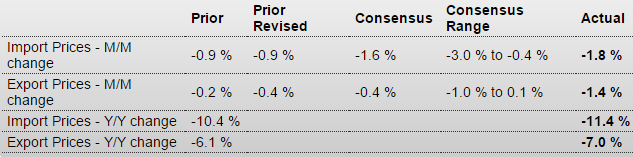
United States : Import and Export Prices
er-9-10-7

None of this is considered the ‘some improvement’ Chairman Yellen was looking for going into the Fed meeting next week…

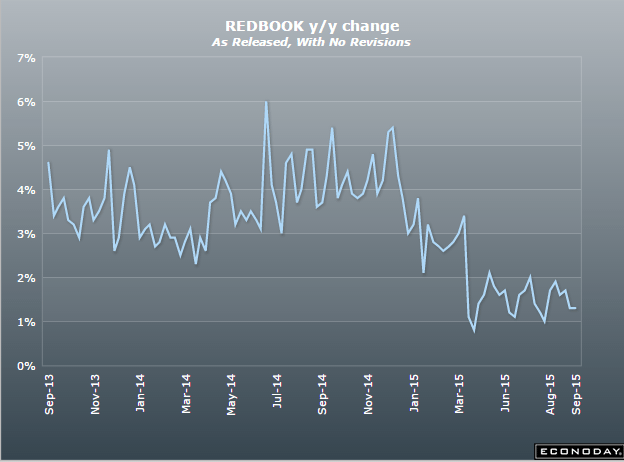
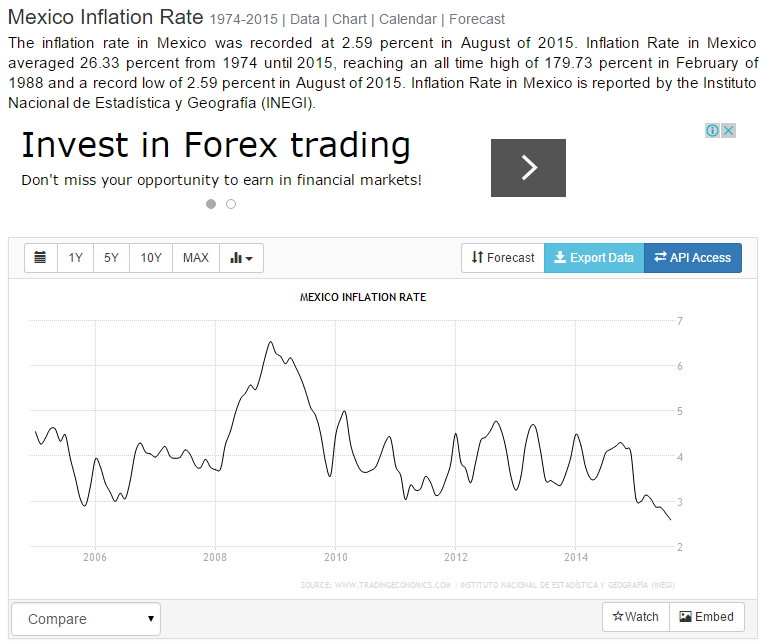
JOLTS, Redbook retail sales, Mexican inflation

More openings, same quits, fewer hires.
Whatever all that means…

United States : JOLTS
er-9-9-2-1
Highlights
Job openings were up sharply in July, to 5.753 million from an upwardly revised 5.323 million in June. The job openings rate rose to 3.9 percent in July following three prior months at 3.6 percent. Professional & business services, which is considered to be a leading component for total employment, led the gains with a 122,000 increase followed by accommodation & food services at 82,000 and retail at 77,000. Despite the rise in openings, the number of hires edged lower to 4.983 million from June’s 5.182 million. The quits rate, which is watched as an indication of worker confidence, was unchanged for a fourth month at 1.9 percent. The rise in openings could definitely be cited by the hawks at next week’s FOMC as a further indication of tightness in the labor market.
er-9-9-2-2

So maybe it wasn’t the central bank that created all that inflation way back when?
;)
er-9-9-2-3

Mtg purchase applications, UK industrial production, Saudi visit, US budget deficit

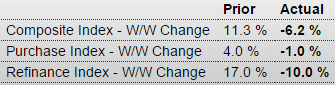
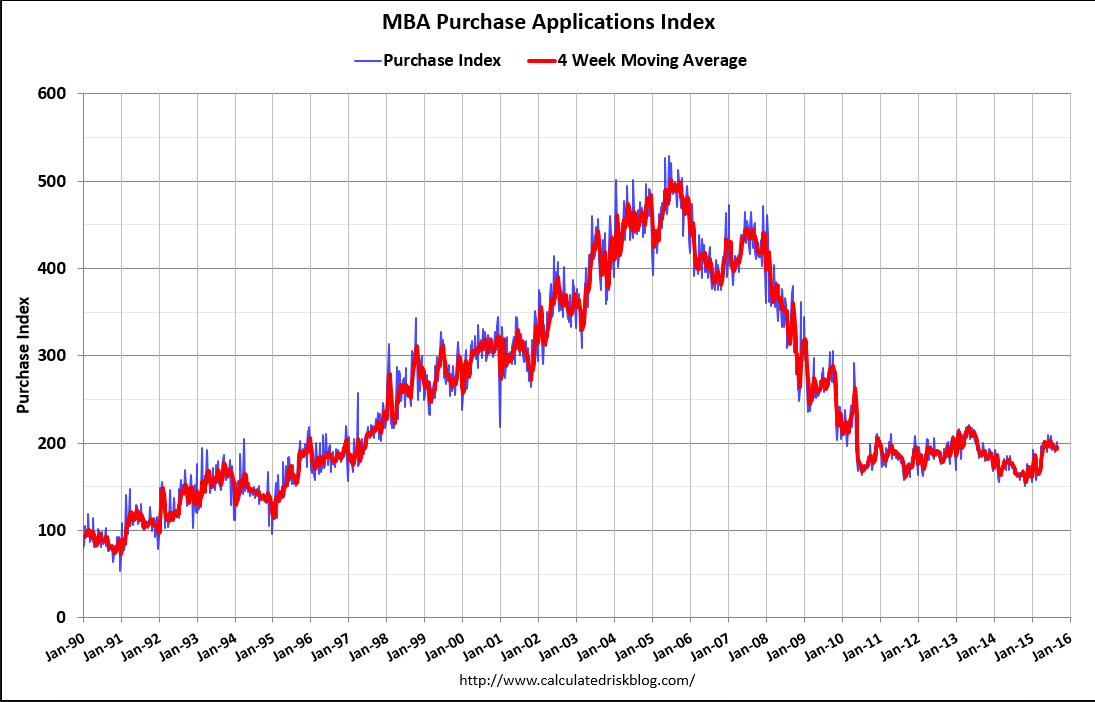
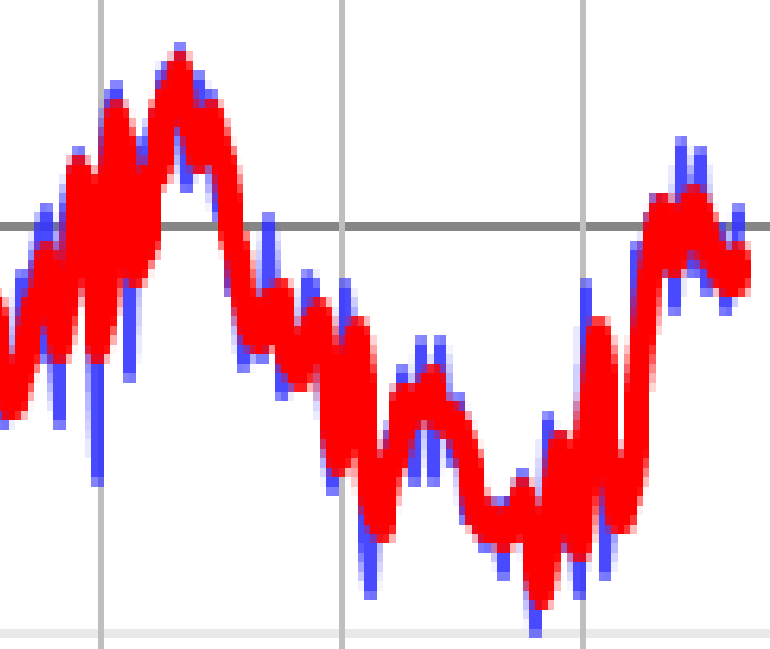
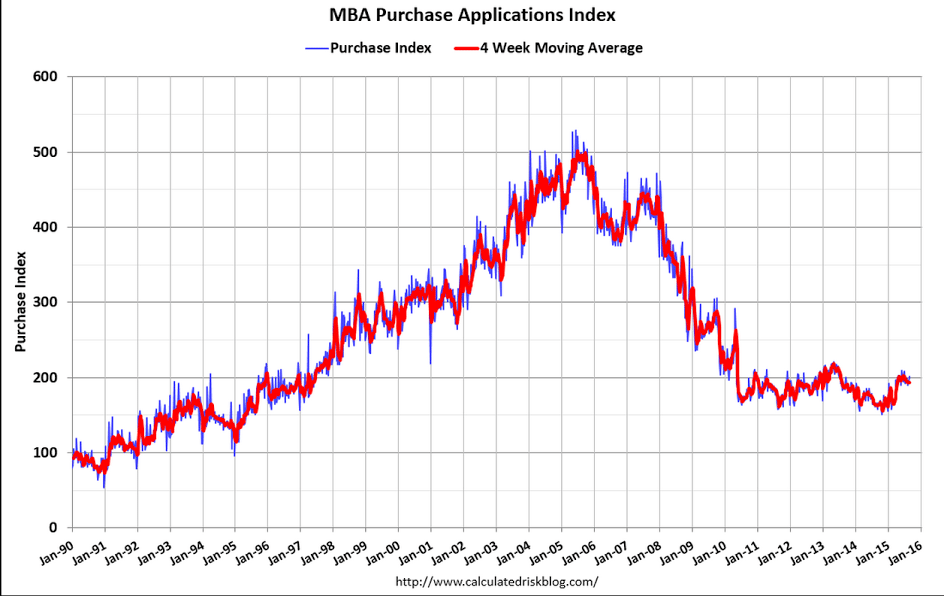
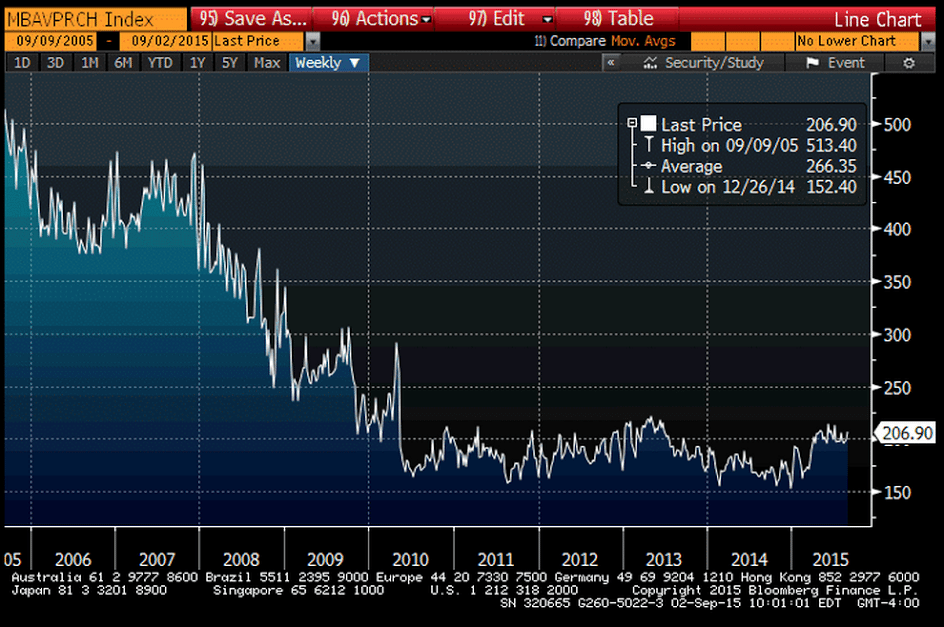
Purchase apps came in 41% higher than a year ago, but have been going nowhere for several months and now look to be drifting lower, as in any case they remain at seriously depressed levels:

MBA Mortgage Applications
er-9-9-1
Highlights
After jumping 17.0 percent in the prior week on a rate-related surge in refinancing applications, the refinance index fell back 10 percent in the September 4 week. The purchase index continues to show much less volatility, down 1.0 percent in the week. Rates were little changed in the week with the average 30-year mortgage for conforming loans ($417,000 or less) up 2 basis points to 4.10 percent.
er-9-9-2

Blow up of the last few years. Note the recent decline:
er-9-9-3

Great Britain : Industrial Production
er-9-9-4
Highlights
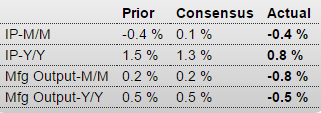
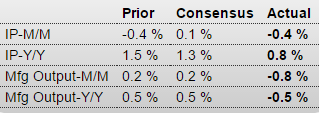
The UK goods producing sector significantly underperformed expectations in July. Overall industrial production fell 0.4 percent on the month, matching its June decline, while the key manufacturing sector contracted a hefty 0.8 percent, easily eclipsing a 0.2 percent rise last time.

The monthly fall in manufacturing output reflected decreases in seven of the thirteen reporting subsectors. Within this, the steepest drop was posted by basic metals and metals products (5.7 percent), mainly due to weakness in weapons production which can be very volatile and this alone accounted for half of the overall decline. The second largest negative impact came from transportation equipment which subtracted 0.3 percentage points from monthly growth. However, outside of these categories performances were rather better and in particular there was a solid 5.8 percent gain in pharmaceuticals, in part courtesy of surprisingly buoyant export demand.

Total industrial production found some support from a 0.4 percent monthly increase in the volatile mining and quarrying subsector together with rises in electricity, gas, steam and air conditioning (1.3 percent) as well as in water and waste management (0.5 percent).

The latest data leave overall goods production in July 0.6 percent below its second quarter average and, on the same basis, manufacturing output down some 0.9 percent. The August manufacturing PMI (51.5) was less than bullish and while last month probably saw kind of a rebound, it looks as if industrial production will not provide much of a boost to real GDP growth this quarter. Whether the Fed tightens or not this month, there is still little pressure on the BoE MPC to hike any time soon.

er-9-9-5

What little growth we do get only tightens the noose further as govt’s net contribution to aggregate demand is further reduced. For 2014 the US economy was supported by oil related capital expenditures that ended when prices collapsed late last year, and so far year I’ve seen nothing stepping up to replace it, apart from increases in unsold inventories and accounting for the new health care premiums as an increase in personal consumption. With the federal deficit now below that of the euro area the rest of the US economy is likely heading in that direction as well:

CBO: Fiscal 2015 Federal Deficit through August more than 10% below Last Year

More good news … the budget deficit in fiscal 2015 will probably decline more than 10% compared to fiscal 2014.

From the Congressional Budget Office (CBO) today: Monthly Budget Review for August 2015

The federal government’s budget deficit amounted to $528 billion for the first 11 months of fiscal year 2015, the Congressional Budget Office estimates. That deficit was $61 billion smaller than the one recorded during the same period last year. Revenues and outlays were both higher than last year’s amounts, by 8 percent and 5 percent, respectively. Adjusted for shifts in the timing of certain payments (which otherwise would have fallen on a weekend), the deficit for the 11-month period decreased by $42 billion.

In its most recent budget projections, CBO estimated that the deficit for fiscal year 2015 (which will end on September 30, 2015) would total $426 billion, about $59 billion less than the shortfall in fiscal year 2014. …
The Treasury will run a surplus in September, and it appears the deficit for fiscal 2015 (ends in September) will be below 2.4% of GDP.

The Treasury will run a surplus in September, and it appears the deficit for fiscal 2015 (ends in September) will be below 2.4% of GDP.

Fed comments and charts, Employment from outside the labor force, Public sector employment, Small Business Index, Labor market conditions index

The reason the Fed is talking hike is because they believe the continued modest growth is reducing the excess capacity in the economy, and they are concerned about hitting the wall of full employment with their 0 rate policy and multi $ trillion portfolio, both of which they believe to be highly accommodative.

That is, they believe the car is creeping along in the fog towards what they believe is a wall with their foot on what they believe is the accelerator, and they want to lighten the pressure on the presumed accelerator before they hit the presumed wall.

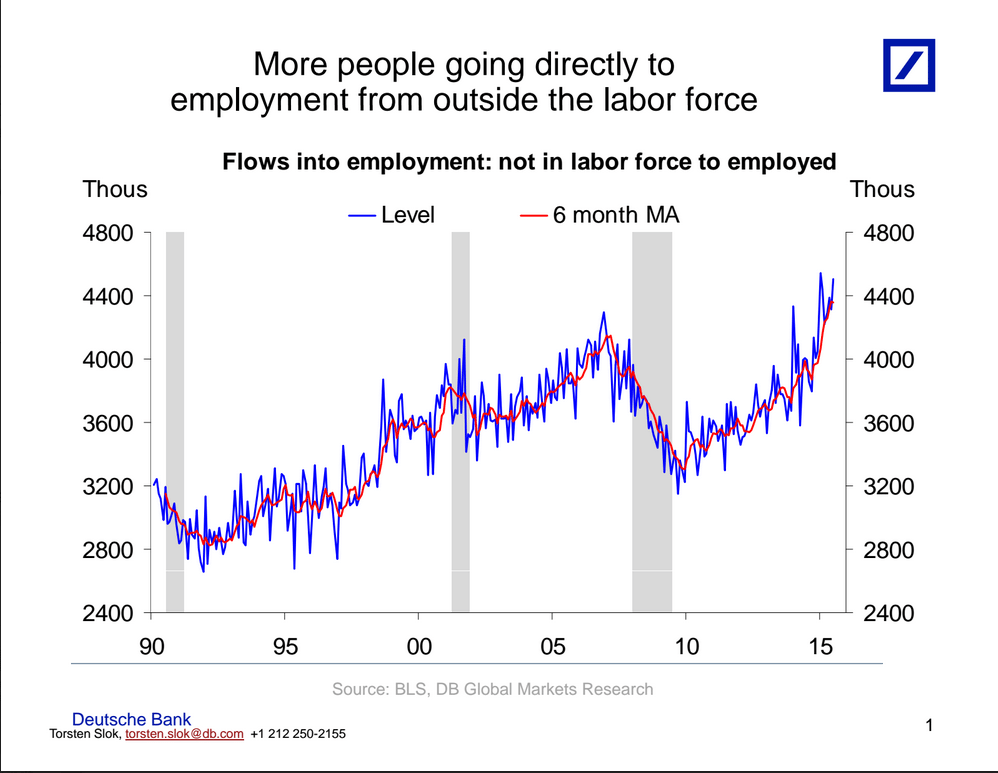
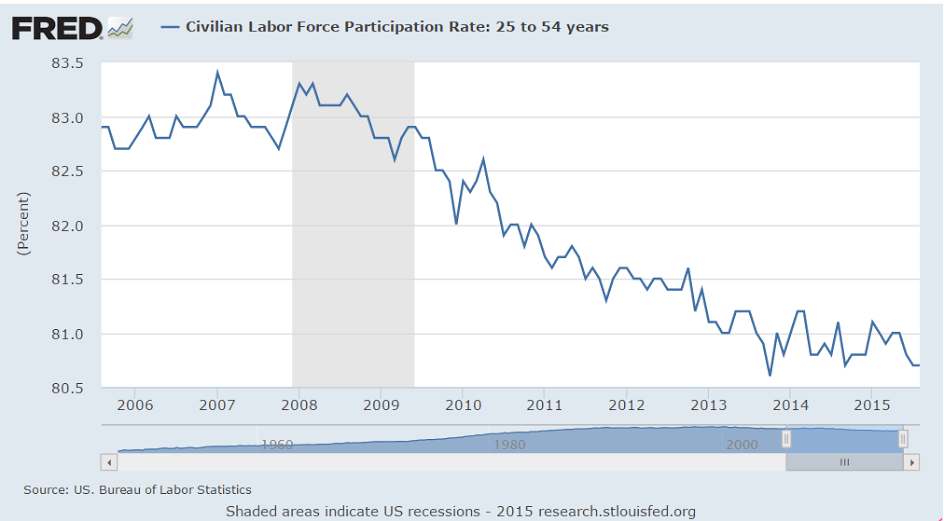
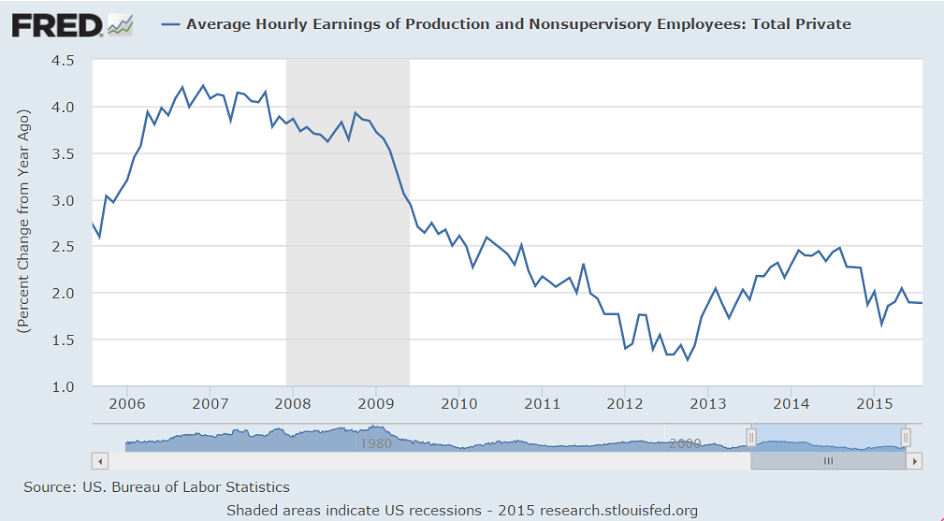
However, they also know the growth in employment is only very slightly staying ahead of population growth, and, likewise, most all of the drop in the rate of unemployment is due a drop in the labor force participation rate, and not to employment growth. And they also know most of the newly employed were not considered in the labor force when they were hired, raising questions about what the labor force participation rate is actually measuring. And further evidence of a continued high level of slack are the continuing low levels of wage increases, as well as low reported inflation readings in general, which remain well below Fed targets 6 years into their 0 rate and QE initiatives.

And then there is the counterfactual, with their models telling them the economy would have been a whole lot worse without their accommodative policies. Believing that suggests that any backing off from current policy risks a substantial setback.

My conclusion- no telling what they might do. These are human beings navigating in a fog with an inapplicable map, and they think the brake pedal (lowering rates) is the gas pedal.

San Francisco Fed’s Williams Sees Rate Increase ‘This Year,’ If Risks Dissipate

By Jon Hilsenrath and Michael S. Derby

July 1 (WSJ) — “All of the data that we have had up until now has been, I think, encouraging. It …has been about as good, or better, than I was expecting, in terms of the U.S. economy,” San Fran Fed president John Williams said. “But there are some pretty significant—and I would say have now grown larger—headwinds that have developed.” The change in financial conditions since the July Fed meeting, in the form of falling stock prices and a rising dollar, “have been pretty big,” he said. “It’s not the case that nothing has changed since our last [policy] meeting.”

Sure looks to me like most everything peaked when oil prices collapsed:
er-9-8-1
er-9-8-2
So, interesting how the jobs are coming from ‘outside the labor force’ when it’s been the presumed and unique ‘shrinking labor force’ that’s resulted in most of the decline in the unemployment rates:
er-9-8-3
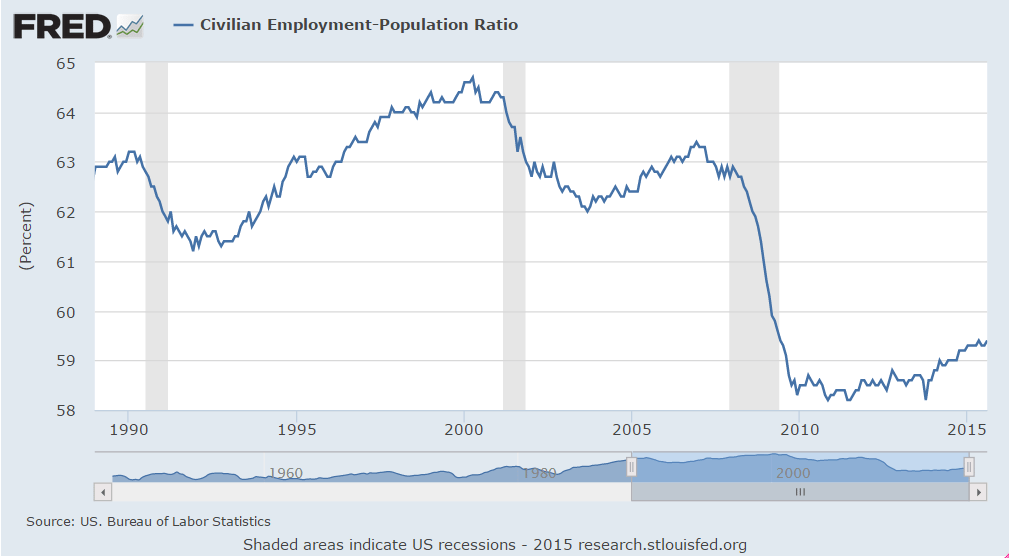
Employment growth has been nearly matched by population growth, so, again, it’s only via the ‘shrinking labor force’ argument that there’s been ‘improvement’:
er-9-8-4
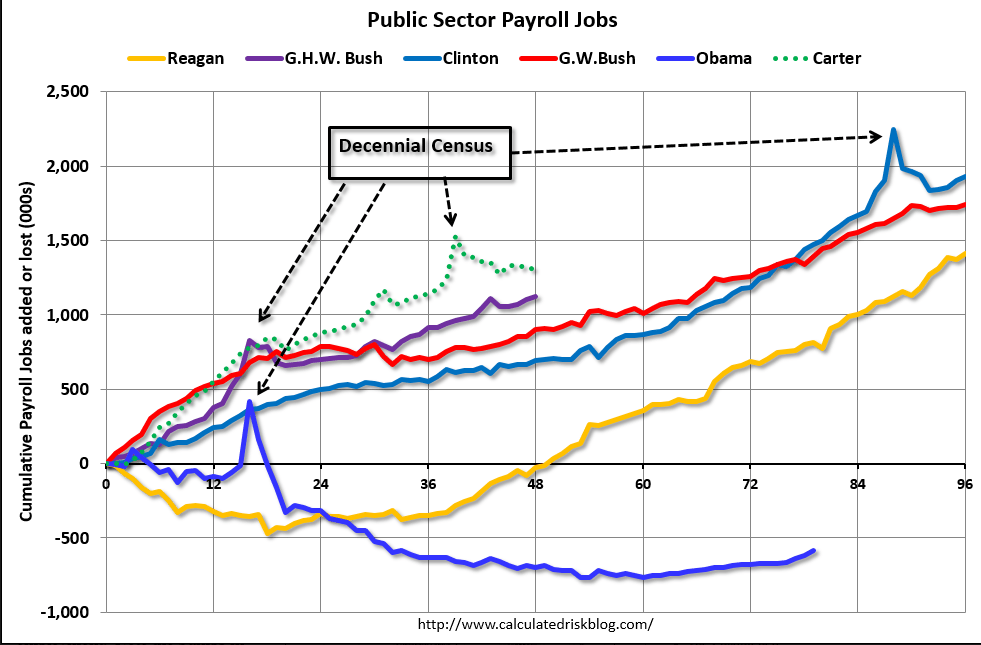
President Obama remains the all time Tea Party hero when it comes to reducing the size of govt:
er-9-8-5

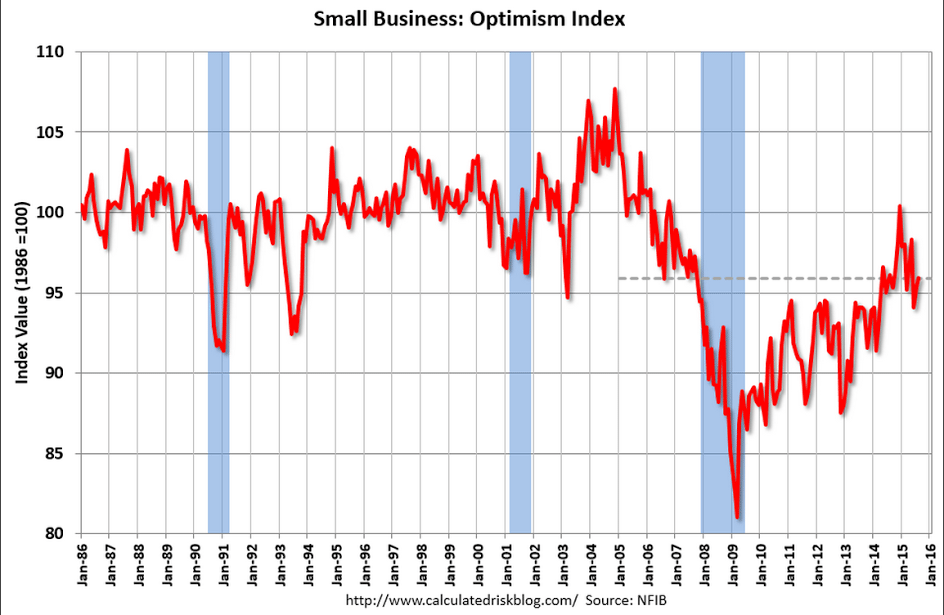
From RHB- you can see which one leads:
er-9-8-12

NFIB Small Business Optimism Index
er-9-8-7
Highlights
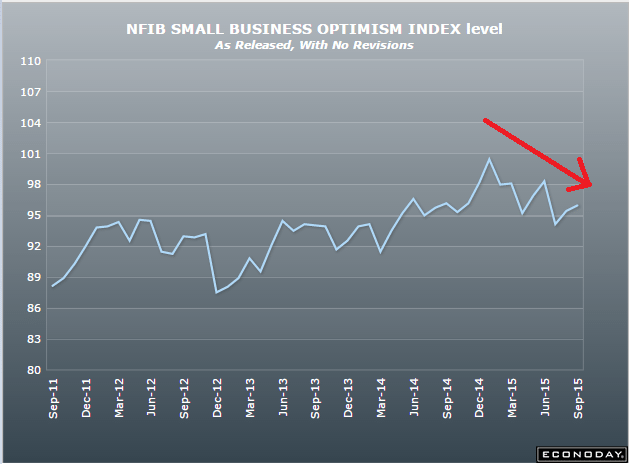
A solid gain in job openings and a solid bounce back for earnings trends helped lift the small business optimism 4 tenths to 95.9 vs Econoday expectations for 96.0. The index shows no immediate effect from troubles in China and global volatility. Hiring, capital spending and inventory investment plans firmed slightly, collectively adding 2 points. But the two outlook components collectively declined 4 points in readings that do not point to a big second-half finish for the economy.
er-9-8-8
er-9-8-9
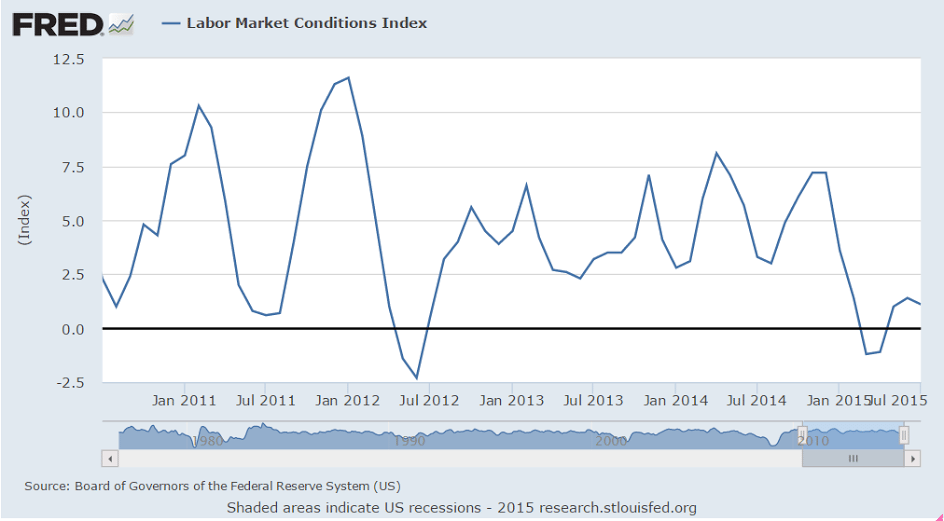
Labor Market Conditions Index
er-9-8-10
Highlights
The August employment report proved mixed but not the labor market conditions index which rose 3 tenths to 2.1. This is a soft level compared to the mid-single digit trend of 2013 and 2014 but is still the highest reading of the year, since December. Adding to the strength is a 7-tenths upward revision to July. Payroll growth in August was weak but not the unemployment rate which fell 2 tenths to a recovery best of 5.1 percent. This index is based on a broad set of 19 components and could be cited by the hawks as evidence of labor market improvement at next week’s FOMC.

This hasn’t updated yet but you can see today’s print of 2.1 doesn’t impress:
er-9-8-11

Credit check, Jobs comment, ECRI update, Saudi statement

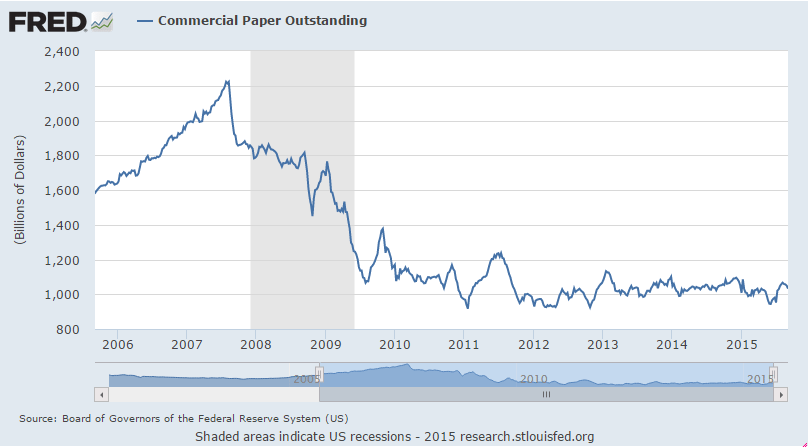
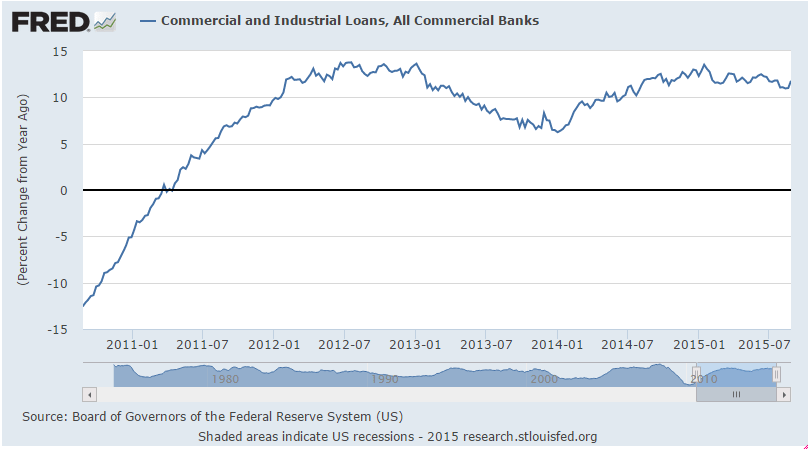
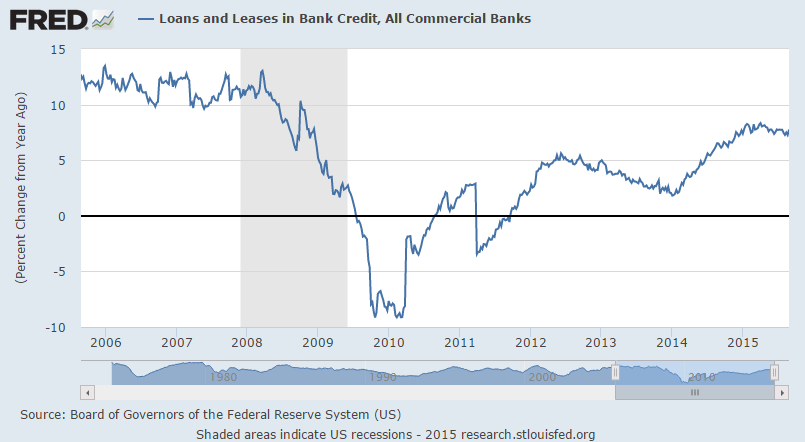
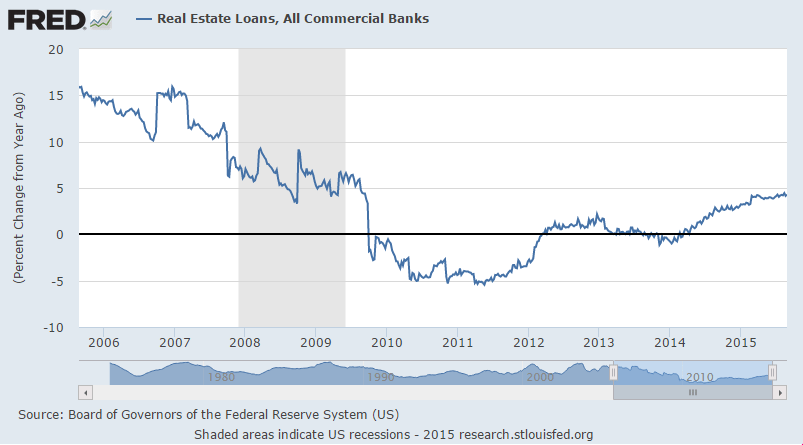
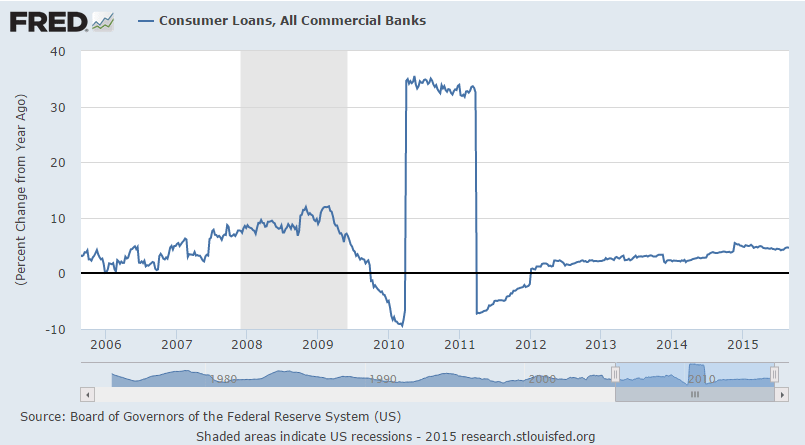
Commercial paper nudges down a bit, bank loans up a bit, so not much happening on balance:

cc-9-5-1
cc-9-5-2
cc-9-5-3
cc-9-5-4
cc-9-5-5

BLS Jobs Situation Disappointing in August 2015. Growth Rate of Employment Continues to Slow.

By Steven Hansen

The BLS jobs report headlines from the establishment survey was disappointing. The unadjusted data shows growth is at the lowest levels since the Great Recession. Hey, if the kids were not going back to school (teachers being hired) – this report would have been a disaster.

Rail Week Ending 29 August 2015: Shows a Decline for the Month of August

Week 34 of 2015 shows same week total rail traffic (from same week one year ago) declined according to the Association of American Railroads (AAR) traffic data. Intermodal traffic expanded year-over-year, which accounts for approximately half of movements. but weekly railcar counts continued in contraction. Total rail traffic for the month of August declined 0.8 %.

28 August 2015: ECRI’s WLI Growth Index Slides Deeper Into Contraction

ECRI’s WLI Growth Index which forecasts economic growth six months forward – slid further into negative territory. This index had spent 28 weeks in negative territory then 15 weeks in positive territory – and now is in its third week in negative territory. ECRI also released their inflation index this week.

Saudi confirms price cutting strategy:

U.S. Oil-Production Decline to Accelerate: Saudi Aramco Chairman

By Brian Wingfield

(Bloomberg) — U.S. crude production will decline before global oil markets recover, Saudi Aramco Chairman Khalid Al-Falih said.

“We expect the decline from the U.S. to accelerate as we go forward” because many rigs have already been demobilized, Al-Falih, who is also his nation’s health minister, said today at the U.S.-Saudi Investment Forum in Washington. “A re-balancing is taking place as we speak.”

Officials from Saudi Arabia, the world’s largest oil exporter, are visiting the U.S. as King Salman meets with President Barack Obama at the White House to discuss issues ranging from regional security to energy. Global oil prices have declined by more than 50 percent within the last year as world supply has exceeded demand, triggering thousands of job losses in the energy sector.

The Organization of the Petroleum Exporting Countries, of which Saudi Arabia is the largest producer, said in a report Aug. 31 it’s willing to talk to other nations about achieving a “fair” price in global markets.

The U.S. Energy Information Administration, the Energy Department’s statistical arm, projects domestic production to decline to 8.8 million barrels a day by next August before recovering later in 2016. U.S. production in June was about 9.3 million barrels a day, according to the EIA.

Al-Falih said he’s concerned that low prices may undercut investment in the oil industry, leading to future shortages. It’s “inevitable that oil markets will recover,” he said. “We’ve already started seeing pickup in demand globally,” Al-Falih said.

Saudi Arabia is better positioned to deal with the downturn in prices because it has created budgetary buffers and accumulated international reserves to shield it from an oil-price decline, Finance Minister Ibrahim Al-Assaf said at the investment forum.

“Our strategy has proven to be the right one,” he said.

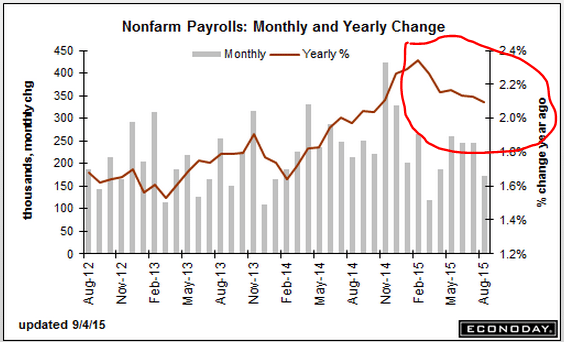
payrolls

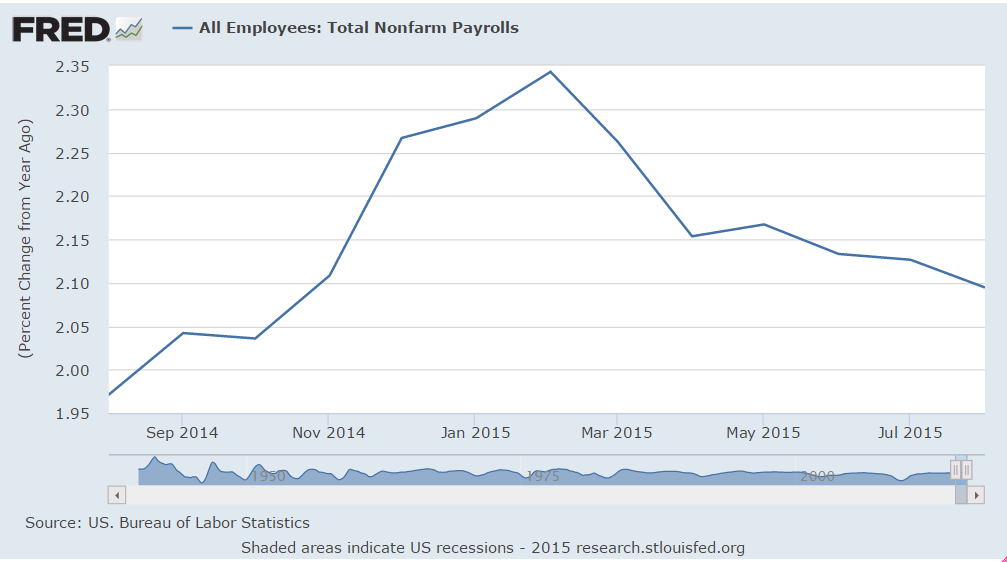
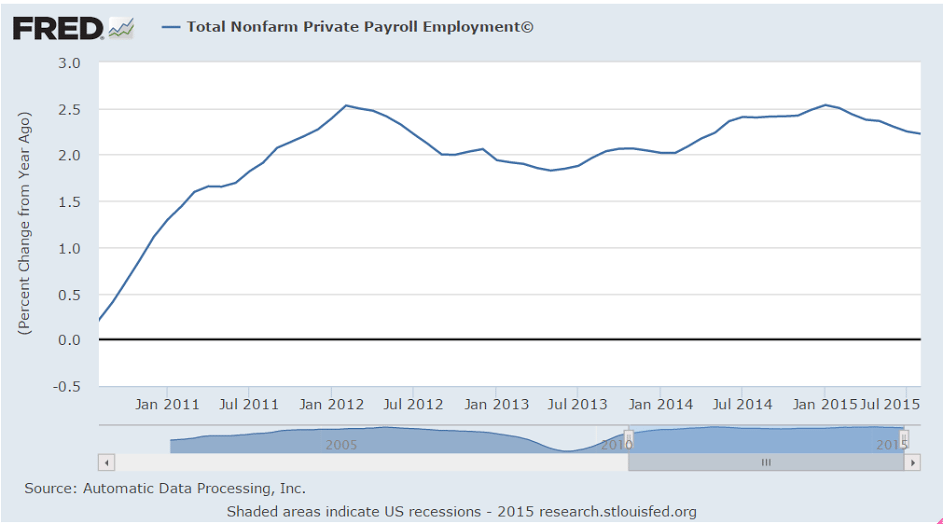
First, note that the year over year growth rate has been decelerating since the oil price collapse:
er-9-5-1
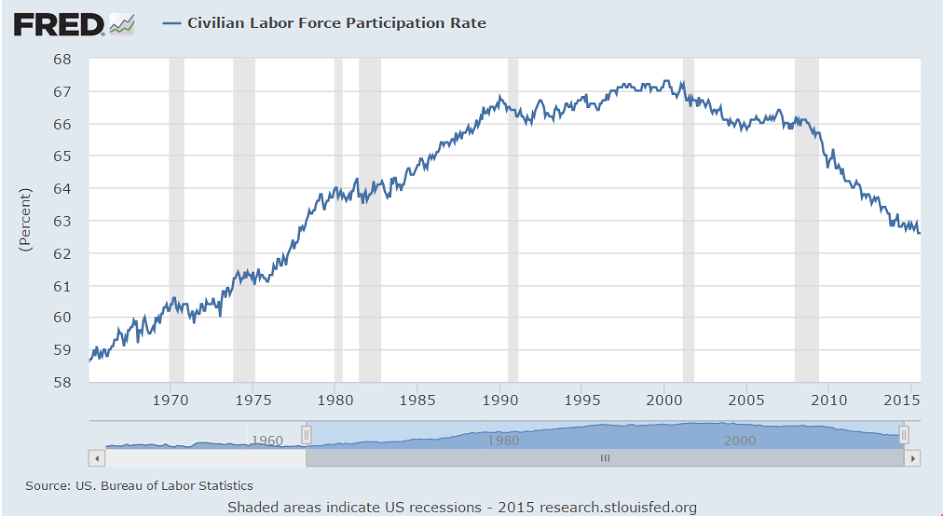
And that for all practical purposes the decline in the unemployment rate is due to the decline in the labor force participation rate, which is unique to this cycle and to me entirely due to a lack of aggregate demand (sales):
er-9-5-2
No demographics here, just plain weakness:
er-9-5-3
This remains depressed, and is not adjusted for inflation, also indicating the same lack of aggregate demand:
er-9-5-4
Again, note the reference to weak exports, which leads me to expect either prior export reports to be revised lower or new releases to gap down.

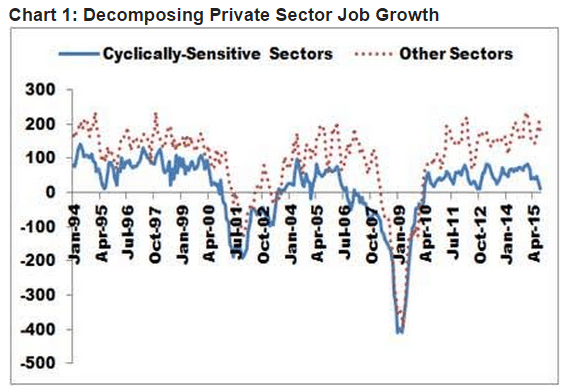
And the decline of the growth of private payrolls since the oil price collapse speaks to the underlying economic strength as well:

Employment Situation
er-9-5-5
Highlights
The headline may not look it but there’s plenty of strength in the August employment report. Nonfarm payrolls rose only 173,000 which is at the low-end estimate, but the two prior months are now revised up a total of 44,000. The unemployment rate fell 2 tenths to 5.1 percent which is below the low end estimate and the lowest of the recovery, since April 2008. And wages are strong, with average hourly earnings up 0.3 percent for a 2.2 percent year-on-year rate that’s 1 tenth higher than July. Debate will definitely be lively at the September 17 FOMC!

Private payroll growth proved very weak, at only 140,000. Government added 33,000 jobs vs July’s 21,000. Manufacturing, held back by weak exports and trouble in energy equipment, shed a steep 17,000 jobs followed by a 9,000 loss for mining which is getting hit by low commodity prices. A plus is a 33,000 rise in professional & business services and a respectable 11,000 rise in the temporary help subcomponent. This subcomponent is considered a leading indicator for long-term labor demand. Retail rose 11,000 with vehicle dealers, who have been very busy, adding 2,000 jobs following July’s gain of 11,000.

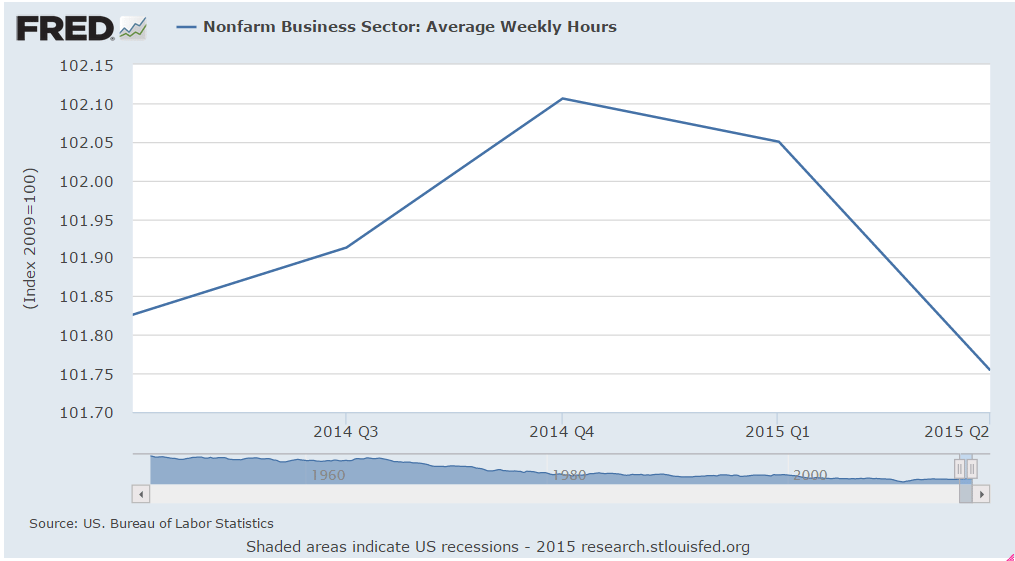
The participation rate remains low, unchanged at 62.6 percent. Other details include a 1 tenth downtick in the broadly defined U-6 unemployment rate to 10.3 percent. The workweek rose to 34.6 from 34.5 hours.

Seasonality, especially the timing of the beginning of the school year, always plays an outsized role in August employment data which are often revised higher. Policy makers are certain to take this into consideration at this month’s FOMC. There’s something for everybody in this report which won’t likely settle expectations whether the Fed lifts off or not this month.
er-9-5-6

So is this the ‘some improvement’ the Fed is looking for before hiking? ;)

Nor is there any (floating exchange rate) theory or evidence that any of this is a function of rates the way the Fed acts as if it is. But that’s another story…

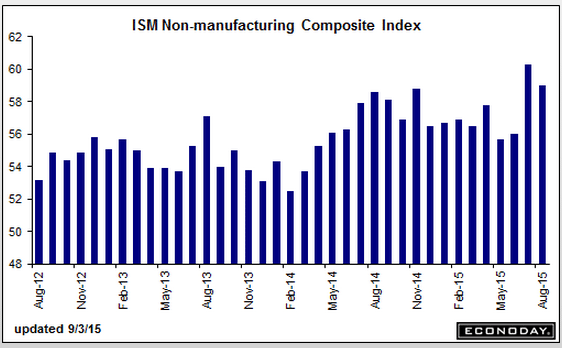
France PMI, Germany PMI, EU PMI, EU Retail Sales, UK service PMI, US Trade, ISM Non Manufacturing, Saudi Pricing

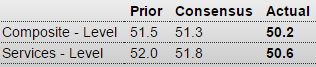
France : PMI Composite
er-9-4-1
Highlights
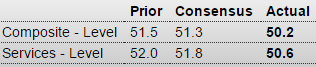
French private sector activity in August expanded at a significantly slower pace than indicated in the flash report according to the final PMI data for the month. At just 50.2, a 7-month low, the key composite output index was revised down an unusually large 1.1 points versus its preliminary reading to stand 1.3 points below its final July mark and close enough to 50 to signal a period of virtual stagnation in economic activity.

The flash service sector PMI was reduced by 1.2 points to 50.6, also a 7-month trough. As previously indicated, what growth there was reflected stronger new orders and rising backlogs although the growth rate of both hit multi-month lows. Certainly firms were not confident enough to add to headcount although, rather surprisingly, business expectations still climbed to their highest level since March 2012.

Meantime, another increase in input costs saw margins squeezed still further as service provider charges continued to fall.

The final PMI figures suggest that the French economy was really struggling last month. Total output was only flat in the April-June period and the survey data so far suggest little better this quarter.

Germany : PMI Composite
er-9-4-2
Highlights
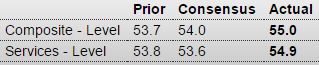
August’s flash composite output index was revised up a full point to 55.0 in the final data for the month. The new level was 1.3 points above July’s final reading, a 5-month high and strong enough to indicate a solid performance by the economy in mid-quarter.

The adjustment to the composite output gauge came courtesy of the service sector for which the preliminary PMI was revised some 1.3 points firmer to 54.9, also its best reading in five months. New orders rose strongly, backlogs were up and employment posted its largest gain since February. Against this backdrop, business expectations for the year ahead climbed to a 4-month peak.

What little progress they continue to make will evaporate with a strong euro, which I see as inevitable given their trade surplus:

European Union : PMI Composite
er-9-4-3
Highlights
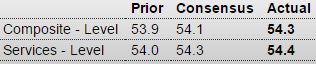
The final composite output index for August weighed in at 54.3, a couple of ticks stronger than its flash estimate and 0.4 points above its final July mark.

The flash services PMI was nudged just 0.1 points higher but, at 54.4, now matches June’s 4-year high. Increased output was supported by rising new orders and a sizeable increase in backlogs which, in turn, helped to ensure that employment growth remained respectably buoyant. Firms also became more optimistic about the economic outlook and business expectations for the year ahead climbed higher following July’s 7-month low. Meantime, inflation developments were mixed. Hence, although higher wages and salaries prompted another rise in input costs, margins were squeezed further as service provider charges declined for a remarkable forty-fifth consecutive month.

Regionally, the best performer in terms of the composite output measure was Ireland (59.7) ahead of Spain (58.8) and Italy (55.0 and a 53-month high). Germany (55.0) also had a good month but France (50.2 and a 7-month low) all but stagnated and remains a real problem for Eurozone economic growth.

The final PMI figures suggest that the Eurozone economy is on course for something close to a 0.4 percent quarterly growth rate in the current period, a slight improvement on the second quarter’s 0.3 percent rate. While this would be good news, faster rates of expansion will likely be needed if inflation is to meet the ECB’s near-2 percent target over the central bank’s 2-year policy horizon.

European Union : Retail Sales
er-9-4-4
Highlights
Retail sales were slightly weaker than expected in August but with July’s decline more than halved, annual growth of purchases still comfortably exceeded the market consensus. Volumes were 0.4 percent firmer on the month after a 0.2 percent drop in June for a workday adjusted yearly rise of 2.7 percent, up from 1.7 percent last time.

July’s monthly rebound was led by a 0.8 percent jump in purchases of auto fuel and without this, non-food sales were just 0.1 percent higher having only stagnated in June. Food recorded a 0.2 percent advance. As a result, overall sales in July were 0.3 percent above their average level in the second quarter when they also increased 0.3 percent.

Regionally the advance was dominated by a 1.4 percent monthly jump in Germany. Spain (0.6 percent) also made a positive contribution but France (minus 0.2 percent) saw its first decline since March. Elsewhere, there were solid gains in Estonia (2.5 percent), Malta and Portugal (both 1.1 percent) but Slovakia (minus 0.2 percent) struggled.

Growth of retail sales has slowed in recent months, in keeping with signs that consumer confidence may have peaked, at least for now. According to the latest EU Commission survey, household morale improved slightly in August but still registered its second weakest reading since January. Consumption may continue to rise over coming months but the signs are that its contribution to real GDP growth will be only limited.
er-9-4-5

I’ve been suggesting exports would slow more than what’s been reported so far, though year over year numbers are in decline. It may show up in revisions down the road:
er-9-4-6

er-9-4-7

International Trade
er-9-4-9

Highlights
The nation’s trade gap narrowed to a nearly as expected $41.9 billion in July following an upward revised gap of $45.2 billion in June (initially $43.8 billion). The improvement reflects a monthly rise of 0.4 percent in exports, which were led by autos, and a 1.1 percent contraction in imports that reflected a decline in pharmaceutical preparations and cell phones which helped offset a monthly rise in imports of oil where prices were higher in July.

Aside from autos, exports of industrial supplies, specifically nonmonetary gold, were strong in July while exports of capital goods also expanded. This helped offset a monthly decline in exports of civilian aircraft and consumer goods. Turning again to imports, other details include a rise in capital goods in what is the latest sign of life for business investment.

By nation, the gap with China widened slightly, to an unadjusted $31.6 billion in the month, while the gap with the EU widened more substantially to $15.2 billion, again unadjusted which makes month-to-month conclusions difficult. Gaps with Mexico and Canada both narrowed.

This report is another positive start to the quarter and will lift early third-quarter GDP estimates. But these will be cautious estimates as recent market turbulence pushes back conclusions and will make August’s trade data especially revealing.

Lower but still indicating ok expansion:
er-9-4-1

Saudi price setting adjustment:

Aramco Cuts All October Crude Pricing to U.S., Northwest Europe

By Anthony DiPaola

Sept 3 (Bloomberg) — Saudi Arabia, the world’s largest crude exporter, cut pricing for all October oil sales to the U.S. and Northwest Europe and reduced the premium on its main Light grade to Asia by 30 cents a barrel.

State-owned Saudi Arabian Oil Co. cut its official selling price for October sales to Asia of Arab Light crude to 10 cents a barrel more than the regional benchmark, the company said in an e-mailed statement. The discount for Medium grade crude for buyers in Asia widened 50 cents to $1.30 a barrel less than the benchmark.

Brent, a global oil benchmark, fell almost 50 percent last year as Saudi Arabia and other OPEC members chose to protect market share over cutting output to boost prices. Brent fell from over $100 a barrel in July 2014 to less than half that six months later. It traded at about $50 on Thursday.

The Organization of Petroleum Exporting Countries led by Saudi Arabia decided on June 5 to keep its production target unchanged to force higher-cost producers such as U.S. shale companies to cut back. The producer group has exceeded its target of 30 million barrels a day since May 2014.

Saudi Arabia reduced production in August to 10.5 million barrels a day, the first decline this year, according to data compiled by Bloomberg.

Mtg Purchase Applications, ADP, Productivity and Unit Labor Costs, Factory Orders

Nice jump in front of what is perceived as a near certain rate hike. However pending home sales didn’t show much of a jump in sales:

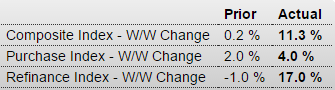
States : MBA Mortgage Applications
er-9-3-1
Highlights
A sharp drop in Treasury rates early in the August 28 week, tied to the global stock market rout, triggered a surge of mortgage applications. The refinance index jumped 17 percent in the week while the purchase index rose 4.0 percent. The latter is up 25 percent year-on-year. Rates backed up later in the week to end unchanged for the 10-year yield at 4.08 percent. The gain in the purchase index is another strong positive for housing strength going into year end.

You can see it’s up a large % from some very low prints last year this time, but more recently the 4 week moving average seems to have peaked and in general remains at historically very low levels:
er-9-3-2
er-9-3-3

This is from last week:

From the NAR: Pending Home Sales Inch Forward in July

The Pending Home Sales Index, a forward-looking indicator based on contract signings, marginally increased 0.5 percent to 110.9 in July from an upwardly revised 110.4 in June and is now 7.4 percent above July 2014 (103.3). The index has increased year-over-year for 11 consecutive months and is the third highest reading of 2015, behind April (111.6) and May (112.3).

This was below expectations of a 1.0% increase.

Note: Contract signings usually lead sales by about 45 to 60 days, so this would usually be for closed sales in August and September.

Lower than expected and last month’s lower than expected print revised down some:

August 2015 ADP Job Growth at 190,000 – Below Consensus Expectations

By Steven Hansen

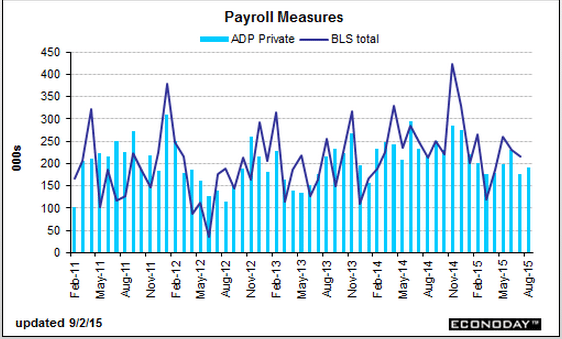
ADP reported non-farm private jobs growth at 190,000. The rolling averages of year-over-year jobs growth rate remains strong but the rate of growth continues in a downtrend.

States : ADP Employment Report
er-9-3-4
Highlights
ADP, like it did for the July employment report, is calling for a sub-200,000 flop on Friday. ADP sees private payrolls rising 190,000 which is a sizable 20,000 below the Econoday consensus and right at the low estimate. ADP is revising down its July call even further lower and farther away from the government’s initial reading, to 177,000 vs ADP’s initial call for 185,000. The government’s private payroll reading was 210,000 in July and is expected to come in at 211,000 in August. However spotty ADP’s record is, today’s result is very likely to raise talk of a lower-than-expected report on Friday and a December, not a September, FOMC rate hike.

This chart looks to me like it peaked back in November, about when oil prices collapsed, and has been continuously working it’s way lower subsequently:
er-9-3-5
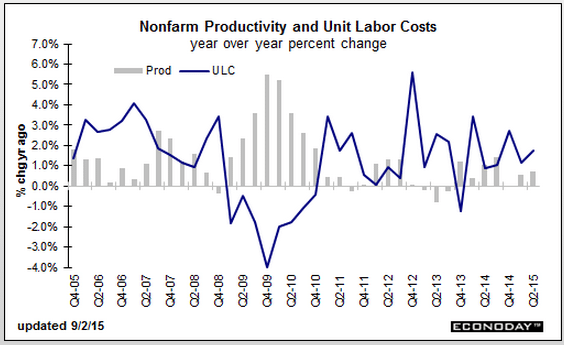
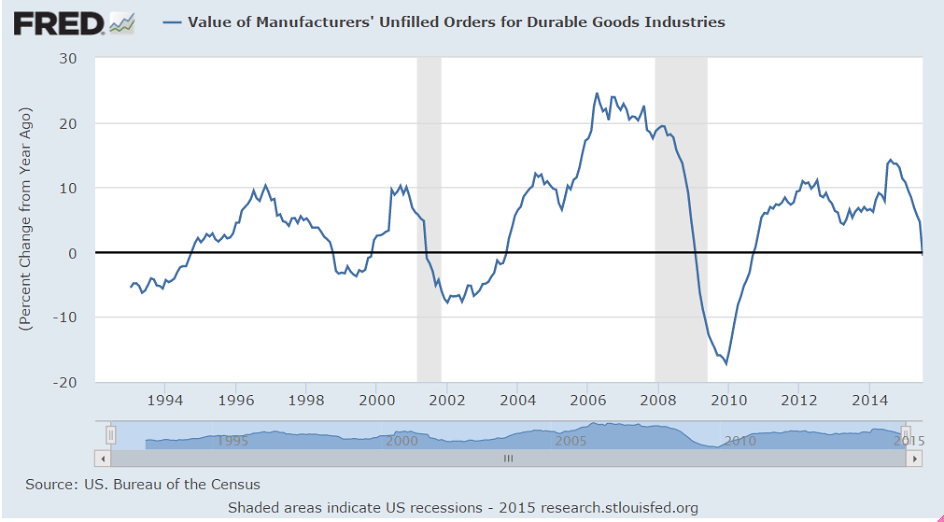
The low productivity and somewhat elevated unit labor costs tell me business has ‘over hired’ in relation to sales, which is in sync with the declining growth in employment, as well as with the higher reported inventories and declining industrial production and weak regional Fed surveys previously reported.
er-9-3-6
United States : Factory Orders
er-9-3-7
Highlights
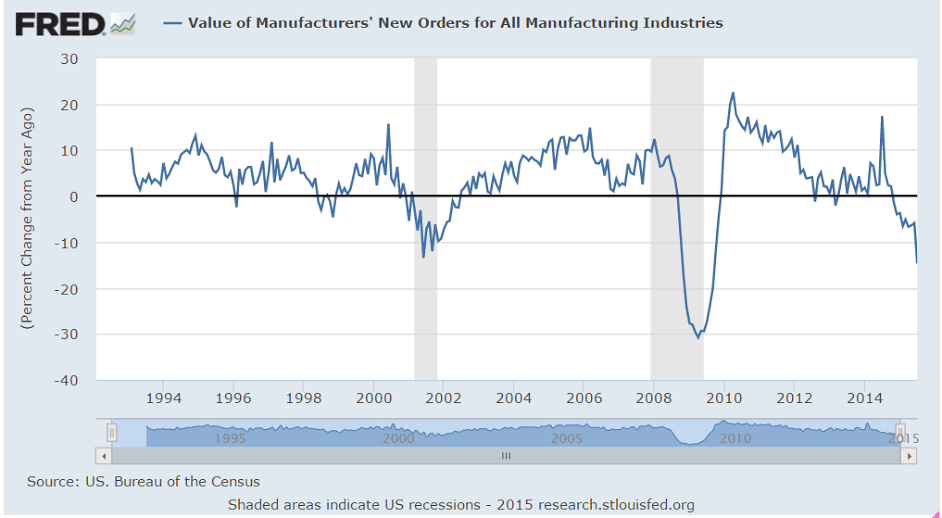
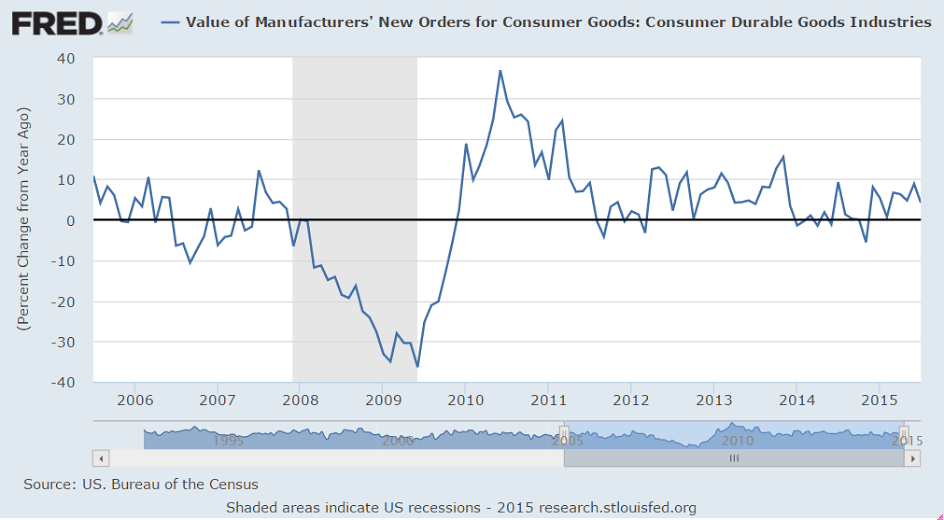
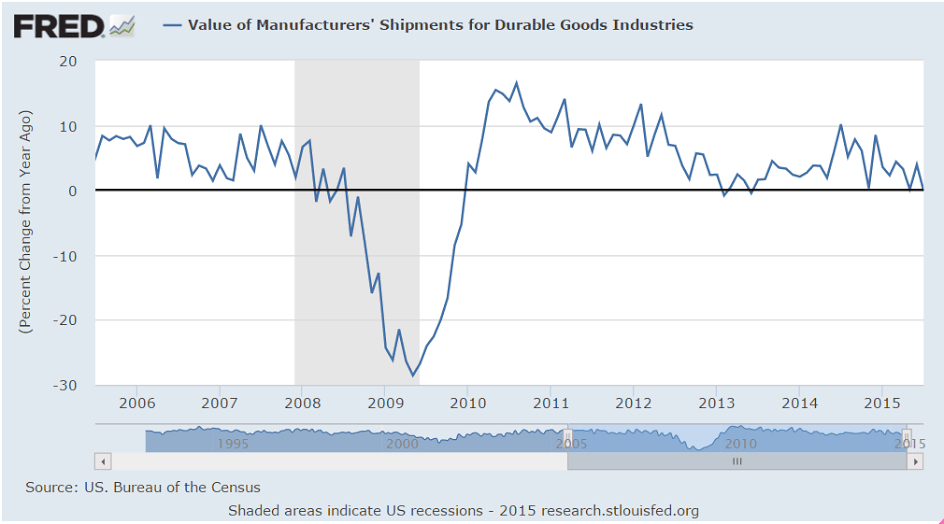
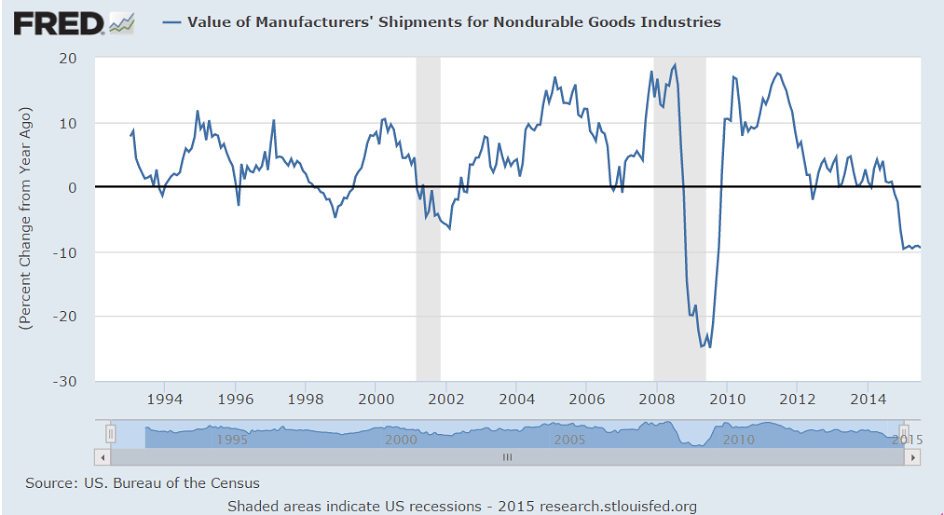
A lower-than-expected headline gain of 0.4 percent in July reflects price-related weakness in energy products and masks significant underlying strength in factory orders. Pulled down by petroleum and coal products, orders for non-durables fell a sharp 1.3 percent, offsetting a very strong and upward revised jump of 2.2 percent in durable goods orders (initially plus 2.0 percent as posted in last week’s advance durable goods report). The gain in durable goods was driven by gains in motor vehicles and includes strong gains for capital goods which indicate, at least it did as of July, rising business investment and rising confidence in the overall outlook.

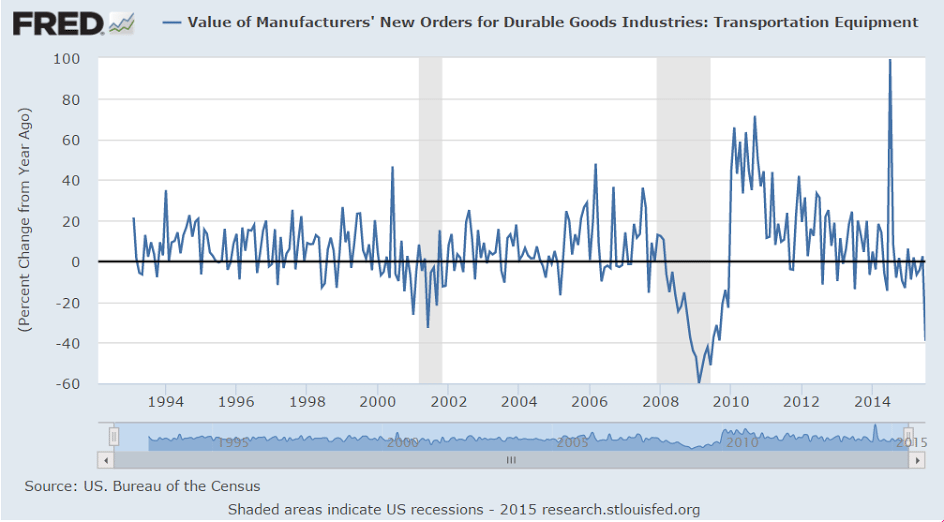
Orders for vehicle bodies, parts & trailers jumped 4.0 percent in July after rising 1.2 percent in June. Orders for ships & boats have been on a special tear, up 19.5 percent following gains of 28.0 and 11.0 percent in the two prior reports. And the July report would have been even stronger if not for a 6.1 percent downswing in commercial aircraft orders that followed June’s 70 percent surge. Excluding transportation equipment, factory orders actually fell in July, down 0.6 percent following a 0.6 percent rise in June.

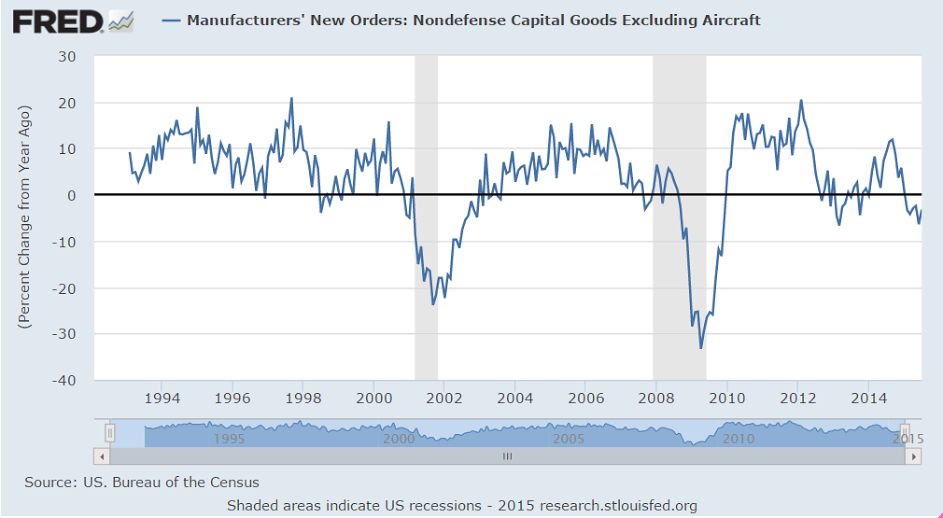
Turning to details on capital goods, core orders, that is nondefense goods excluding aircraft, jumped 2.1 percent on top of June’s 1.5 percent gain. Shipments for this reading, which are part of nonresidential fixed investment in the GDP report, rose 0.6 percent in July and 1.0 percent in June. Note that the 0.6 percent gain in July is unrevised which should not affect ongoing third-quarter GDP estimates.

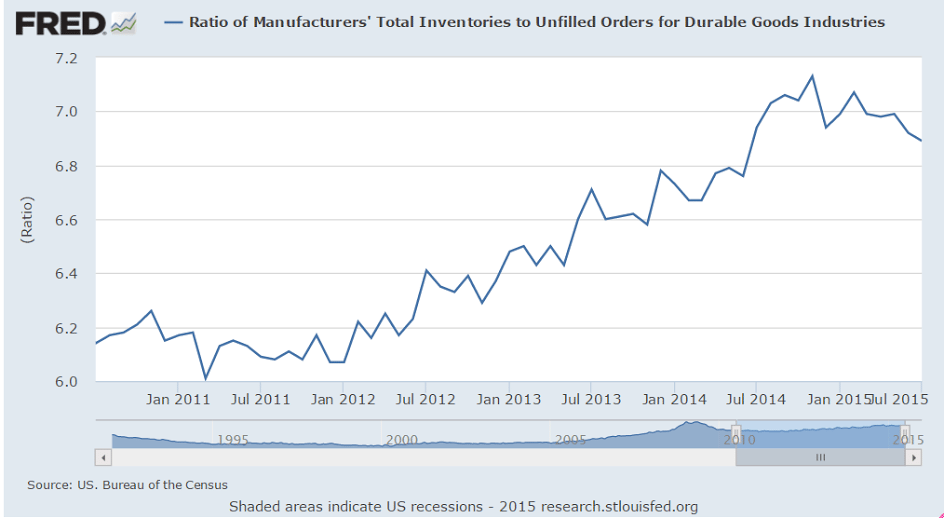
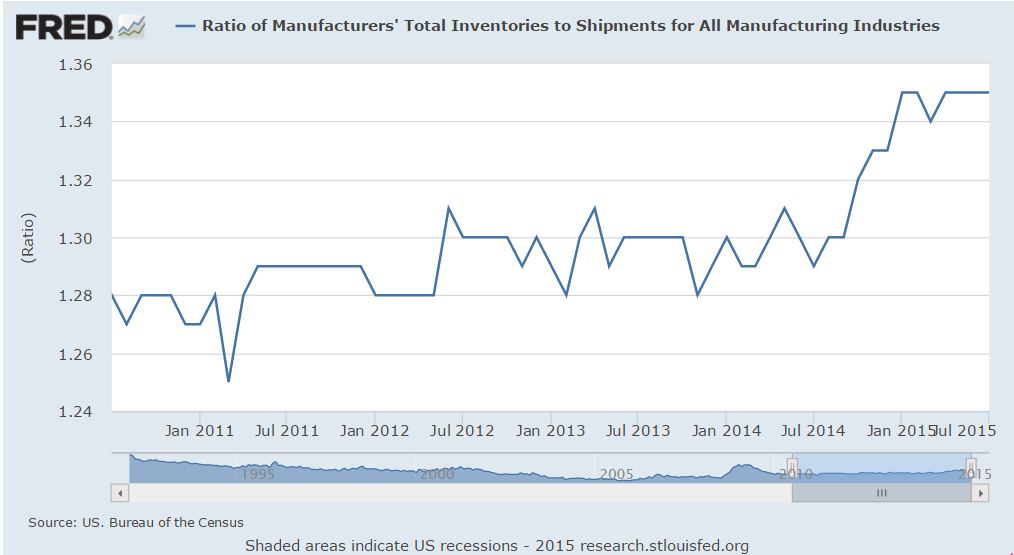
Total shipments, again reflecting weakness in non-durables, slipped 0.2 percent in July. Unfilled orders rose 0.2 percent with inventories slipping 0.1 percent. The slip in inventories did not change the inventory-to-shipments ratio which is stable at 1.35.

Global volatility is a negative that hit in August and that may or may not weigh on the nation’s factory sector which, in the strength of the auto sector, enjoyed strong domestic-based demand in June and July. And given the strength of yesterday’s motor vehicle sales, the factory sector looks to get a continuing boost from the auto sector.

er-9-3-8
er-9-3-9
er-9-3-10

er-9-3-11
er-9-3-12
er-9-3-13
er-9-3-14

From yesterday’s release:
er-9-3-15
er-9-3-16
er-9-3-17
er-9-3-18

PMI’s, Saudi pricing, Redbook, ISM, Construction Spending

Saudi Arabia to Cut Oil Premium to Asia Buyers for Oct.: Survey

By Serene Cheong and Sharon Cho

(Bloomberg) — World’s biggest crude exporter may reduce premium by 20c/bbl for Oct. sales of Arab Light grade to Asia, accord. to median est. in Bloomberg survey of 7 refiners and traders.

Oct. Arab Light official selling price est. at 20c/bbl above Oman-Dubai bmark vs 40c premium for Sept.

Sept. OSP was raised by 50c vs increase of 70c estd. in Bloomberg survey

Fcasts from 7 participants range from no change to 30c less than OSP for Sept.

Redbook
er-9-1-9
er-9-1-10

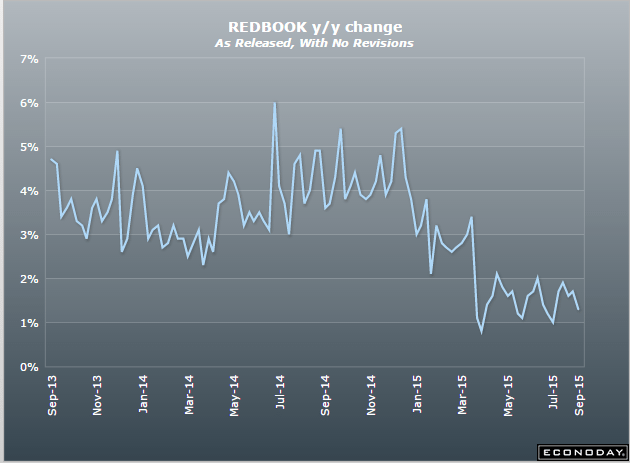
Still trending lower:

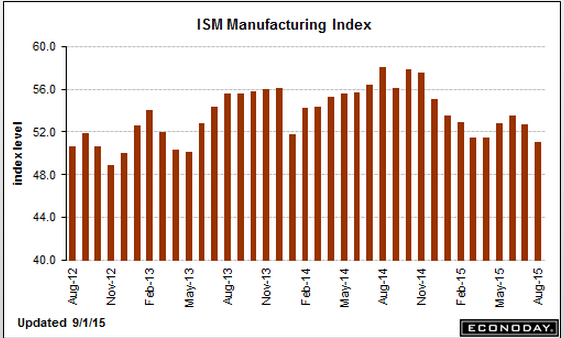
ISM Mfg Index
er-9-1-12
Highlights
The ISM index, at a lower-than-expected 51.1, is signaling the slowest rate of growth for the factory sector since May 2013. And the key details are uniformly weak.

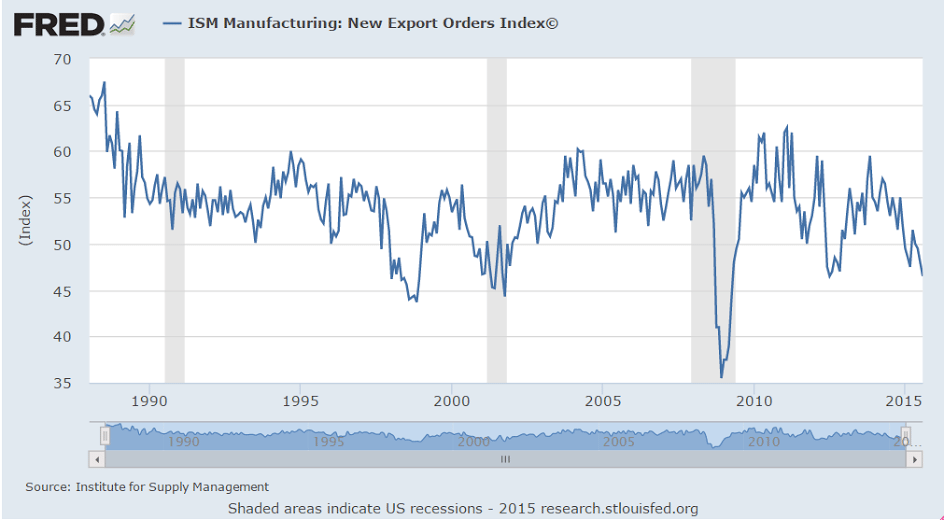
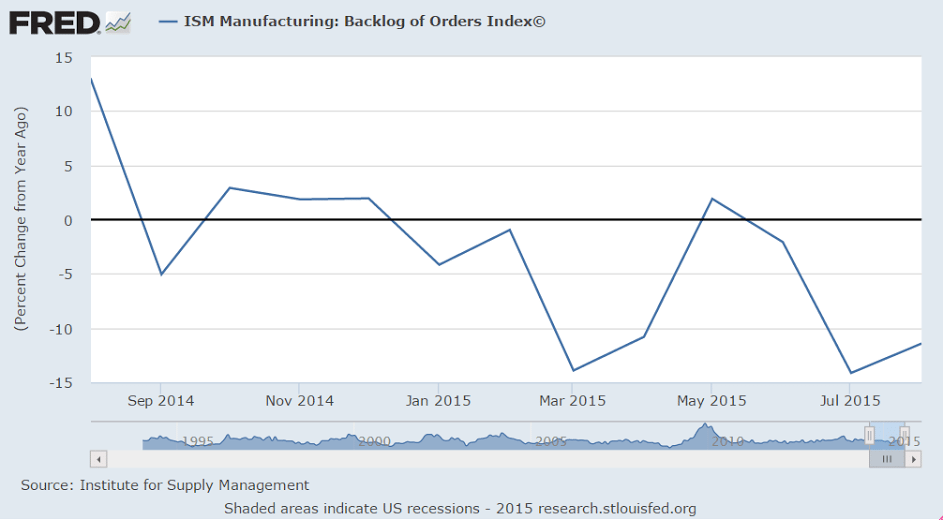
New orders, at 51.7, are at one of the slowest rates of monthly growth of the recovery, since April 2013. Backlog orders, at 46.5, are in a third month of contraction. New export orders, at 46.5, are also in their third straight month of contraction and are at the lowest rate since July 2012.

ISM’s sample wasn’t hiring much in August, at 51.2 for a 1.5 point decline from July and the weakest reading since April. Production slowed and prices paid, at only a 39.0 level last since in March, points to deflationary pressures.

The good news for the economy is that this report failed to pick up the auto-led surge that lifted the factory sector noticeably in June and July. Still, the ISM is followed closely and will raise doubts, justifiably or not, over a September 17 rate hike.
er-9-1-13

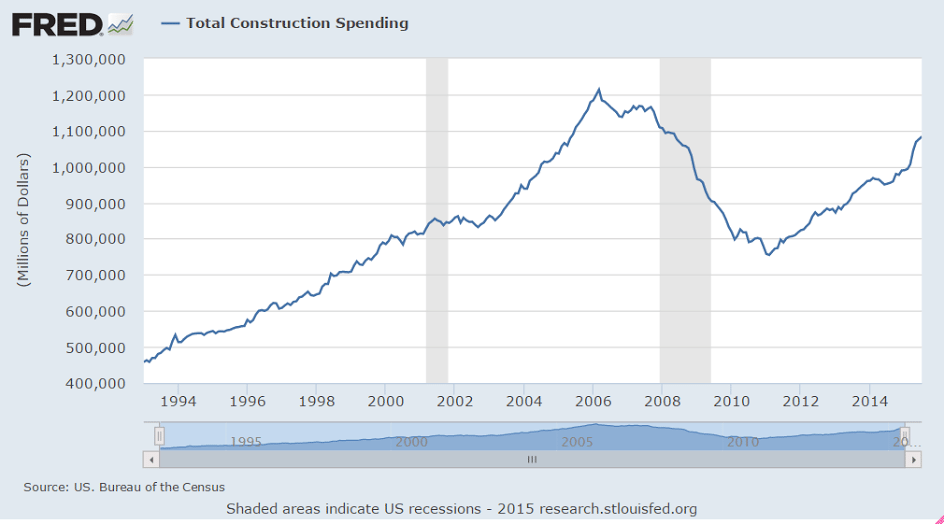
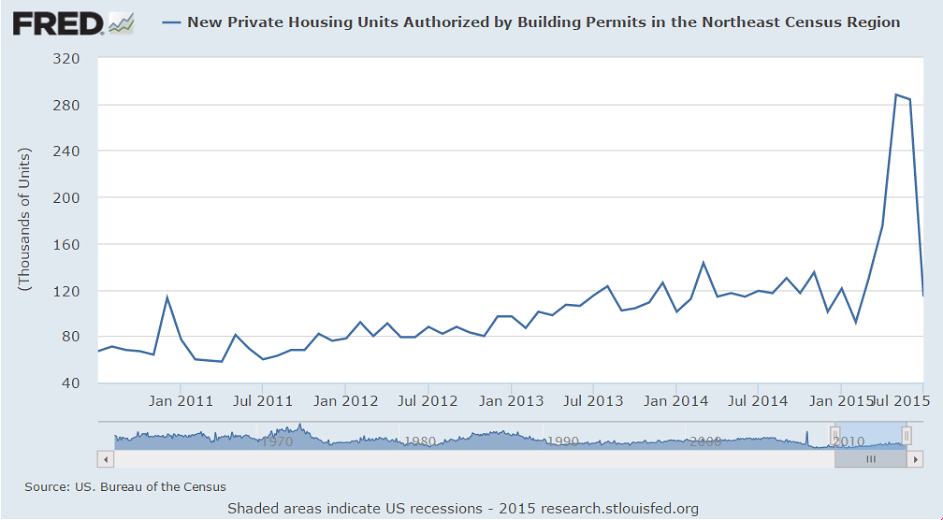
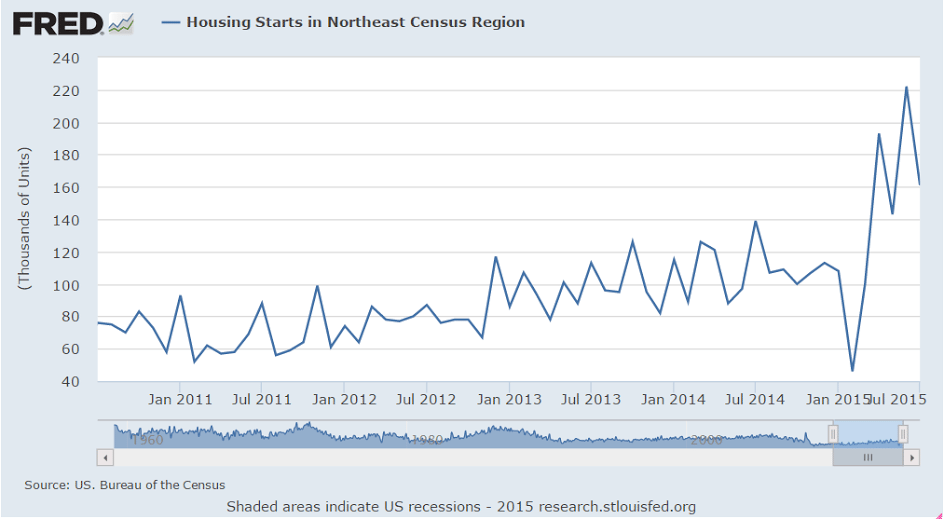
Still climbing but note that multifamily is falling off since the NY tax breaks expired:

Construction Spending
er-9-1-14
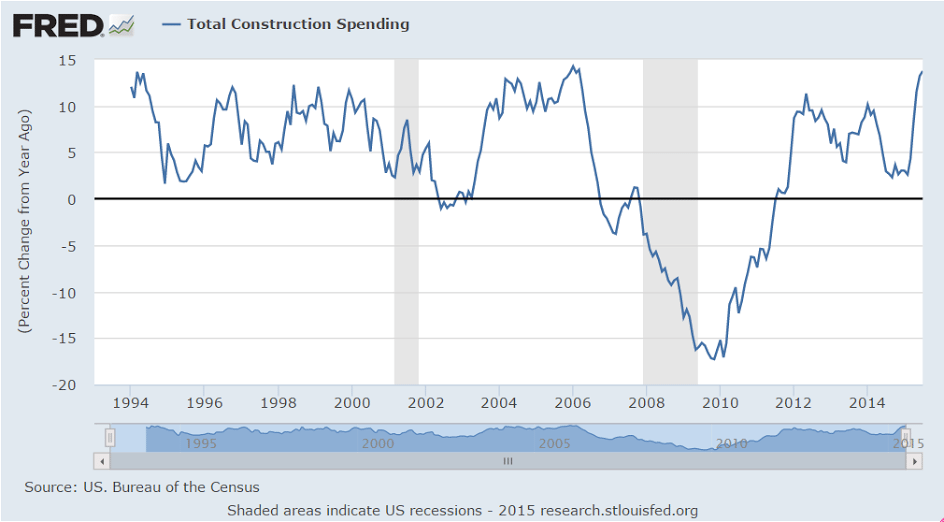
Highlights
Led by strength in single-family homes, construction spending rose 0.7 percent in July while an upward revision to single-family homes added to a sharp upward revision to June, up 6 tenths and also at plus 0.7 percent. Year-on-year, total construction spending was up 13.7 percent in July.

Private residential construction rose 1.3 percent in July with construction spending on single-family homes up 2.1 percent vs a 0.5 percent gain in June that was initially reported at a 0.3 percent contraction. Spending on the more volatile multi-family category, which is much smaller in scale, fell 2.2 percent after spiking 5.5 percent in June. Year-on-year, both categories show robust gains, at 15.8 percent for single-family homes and 21.2 percent for multi-family.

Turning to private nonresidential construction, spending rose 1.5 percent in the month. In gains that belie concerns over weakness in business investment, manufacturing was very strong at plus 4.7 with power and transportation both at plus 2.1 percent in the month. But spending on public construction was negative, at minus 3.0 percent for educational buildings and minus 0.2 percent for highways & streets.

Housing and construction, which are domestic sectors insulated for global volatility, are posting some of the best numbers of any sectors in the economy right now and look to give 2015 substantial support.

These numbers aren’t inflation adjusted, so you can see real construction is still far below prior levels:
er-9-1-15
The last spike correlates with the NY tax break that ended June 15, so it may be in the process of reversing:
er-9-1-16

er-9-1-17

er-9-1-18