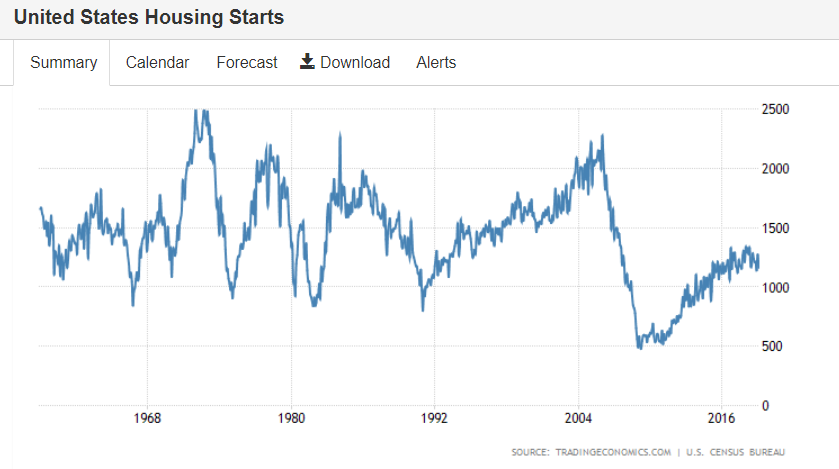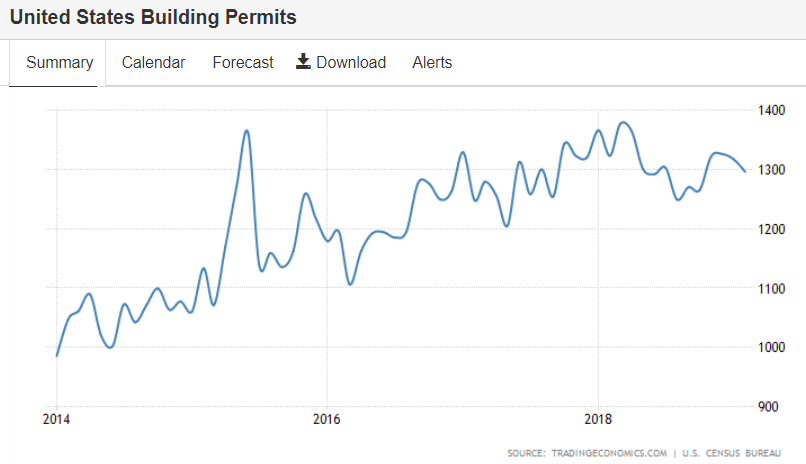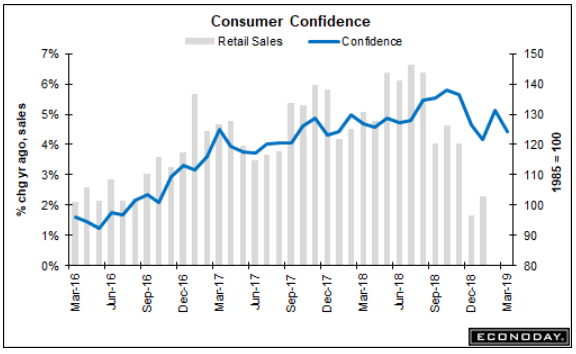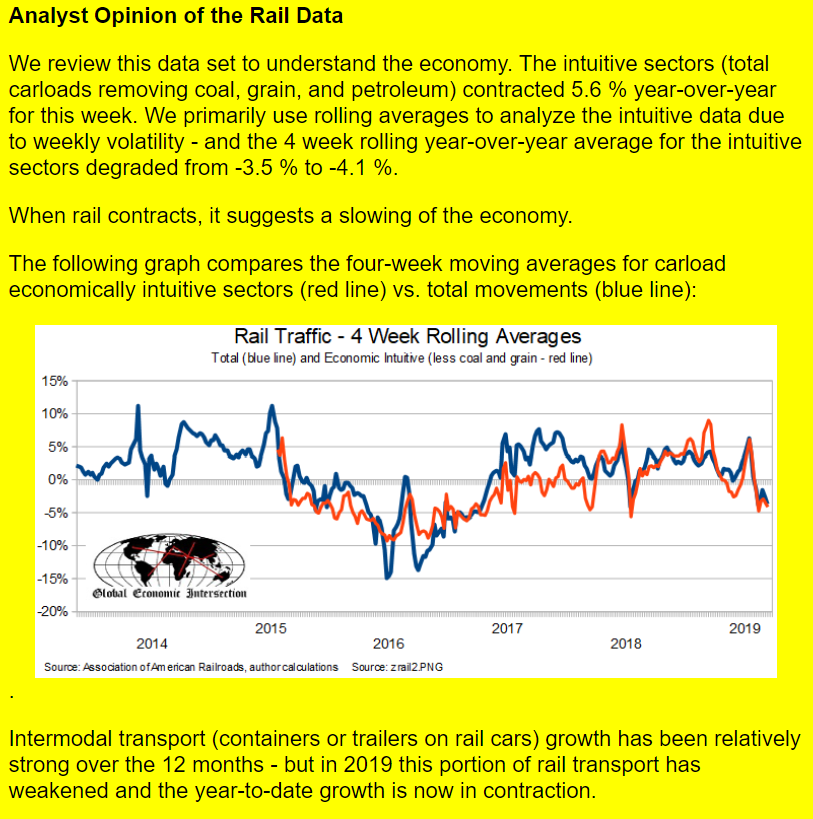
Housing starts, Consumer Confidence, Auto sales, Rail traffic

Rolling over:


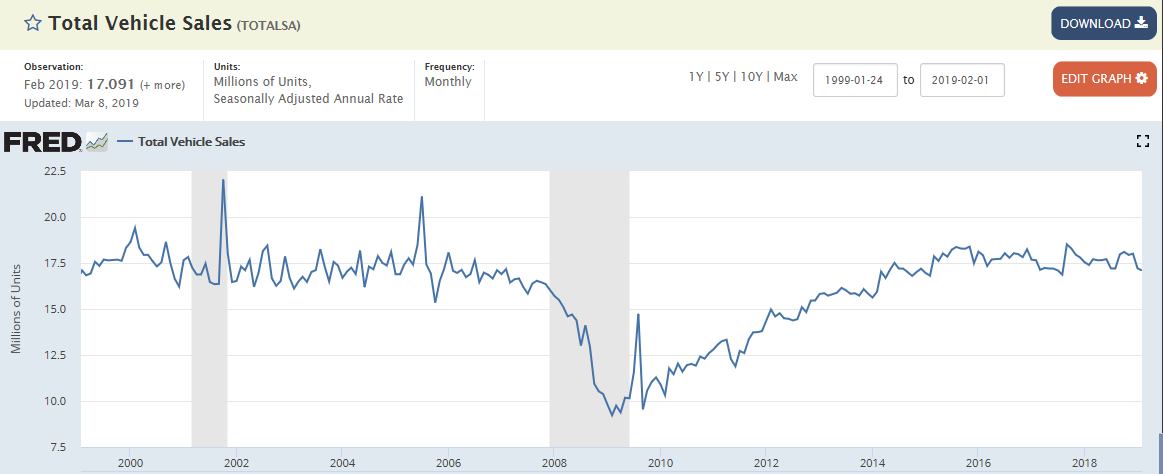
Also rolling over, and inline with the drop in retail sales:

U.S. auto sales are falling as vehicle prices climb, indicating that buyers at the lower end are getting squeezed out of the new car market, according to a new industry forecast.

First-quarter auto sales are expected to drop by nearly 2.5 percent from a year earlier, to 4 million units, according to J.D. Power and LMC Automotive.

Retail sales, which exclude sales to rental car companies and other commercial businesses, are expected to drop by about 5 percent to 2.9 million units. It’s the first time first-quarter retail sales are projected to fall short of 3 million units in six years, said Thomas King, senior vice president of J.D. Power’s data and analytics division.

Retail sales, Non financial corporate and federal debt

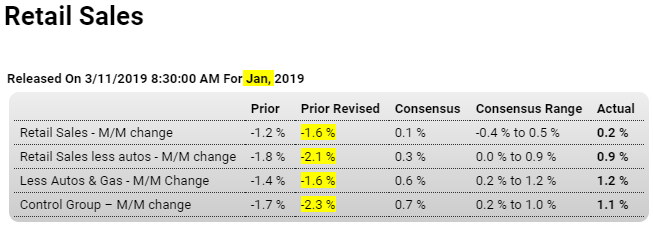
A bit of an uptic from a very low number, with last month’s data revised still lower and the outlook still looking very soft:

Highlights

For retail sales, no period has more seasonal extremes than the busy days of December vs the quiet days of January. This and weather make adjustment difficult and are likely part of the explanation for the extreme volatility of the December and January retail sales reports.

Retail sales managed only a 0.2 percent headline gain in January after plunging a downward revised 1.6 percent in December. But when excluding autos, where sales were very weak in January, the latest month shows a very strong 0.9 percent gain that hits the top of Econoday’s consensus range. The report’s two core readings — less autos & gas and the control group — also show outstanding gains, of 1.2 and 1.1 percent respectively that reverse tremendous weakness in December at revised losses at 1.6 percent and 2.3 percent.

General merchandise is as good of place as any to find a reliable gauge to these unusual extremes and at a 0.8 percent January gain vs a 1.5 percent December loss probably puts in a nutshell the underlying message: deep and unusual weakness during the holiday season followed by a respectable bounce back. Nonstore retailers, where e-commerce is tracked, shows the same theme, at plus 2.6 percent in January vs severe contraction of minus 5.0 percent in December.

Vast swings are apparent through all readings which will have the Census Bureau double checking their adjustments. But it’s not all about adjustments. The government shutdown started late last year and proved a negative not only for consumer confidence readings which plunged but for consumer spending as well. How much has the consumer bounced back? Judging by January’s results the word “somewhat” comes to mind. But advance readings for February have not been favorable whether continued and deep weakness for auto sales or slowing growth in Redbook’s same-store sales tally.

For the first-quarter GDP outlook, today’s report is positive as it shows acceleration. For the Federal Reserve, the report is right in line with their move toward caution, waiting to see how events are unfolding.

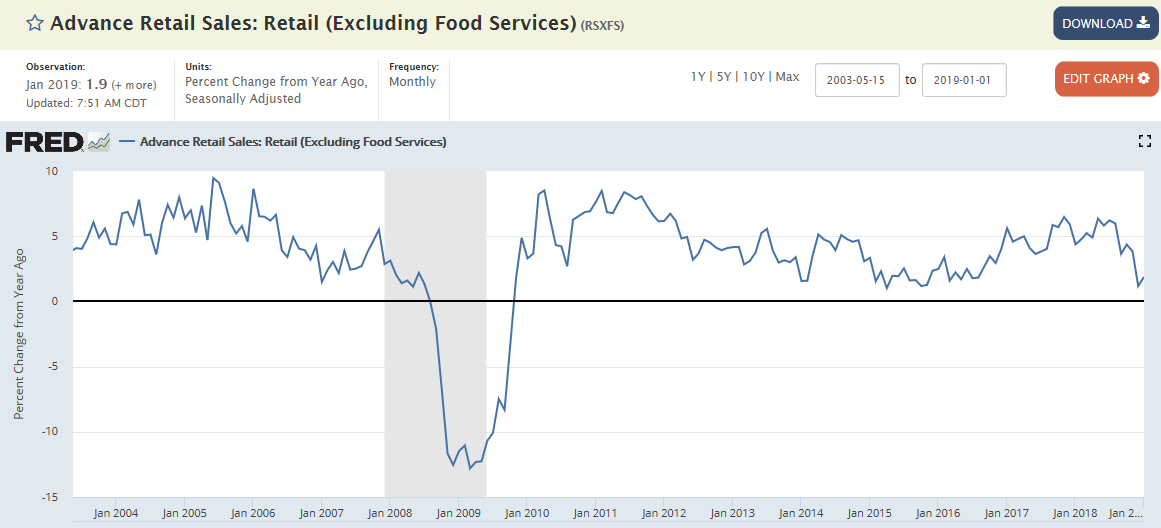
Deceleration:


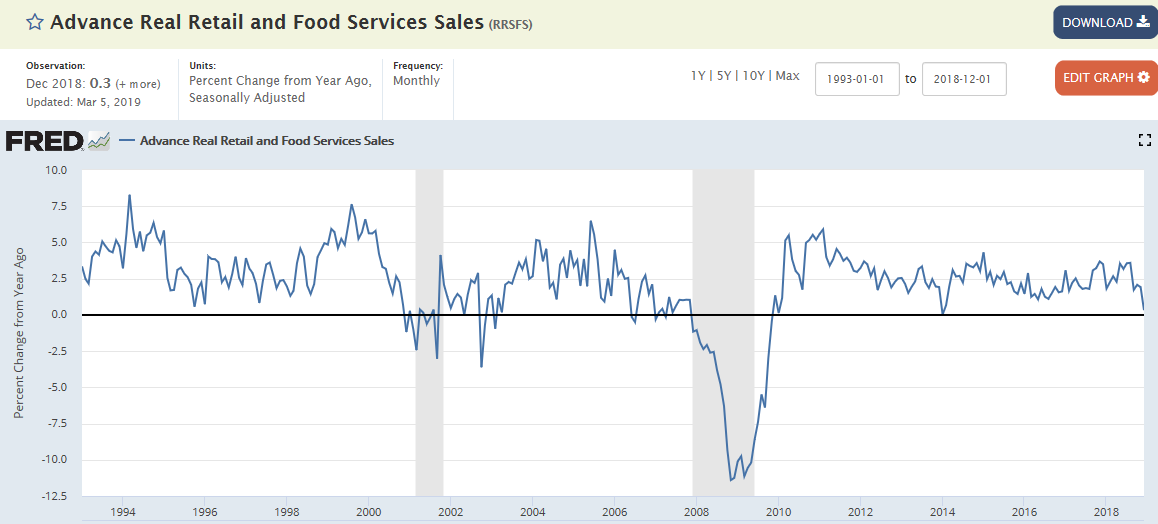
This is adjusted for inflation, and only through December:


No growth here:


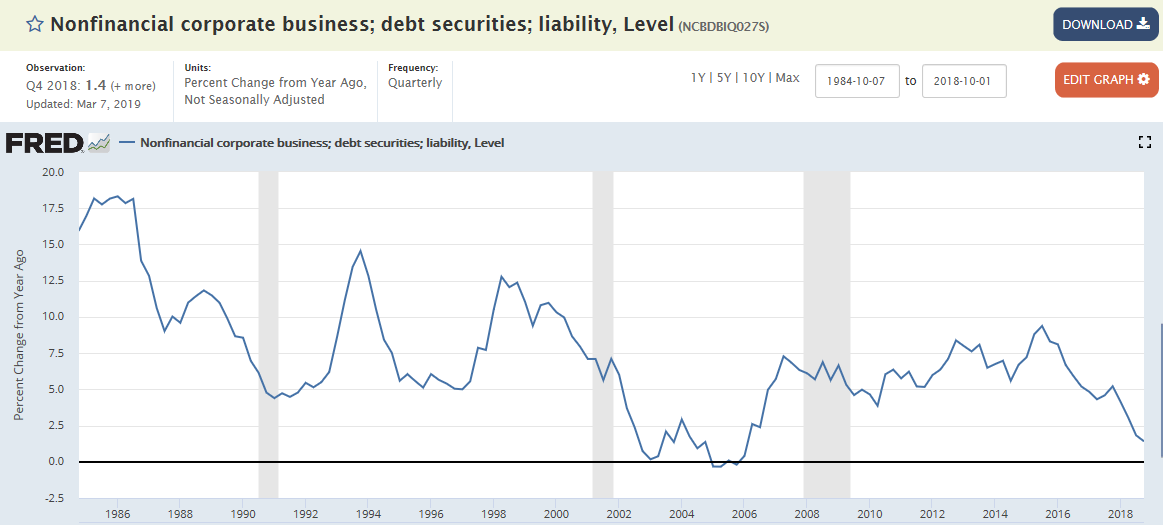
Decelerating corporate deficit spending:


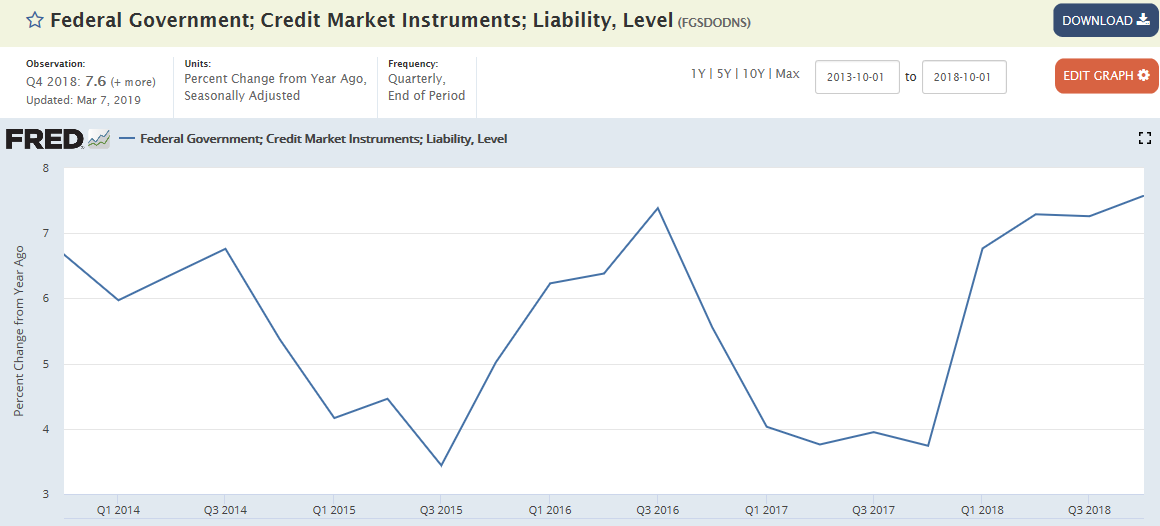
Federal govt. deficit spending has been growing:

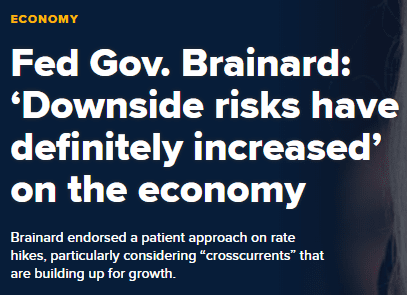
US retail sales, Fed comments

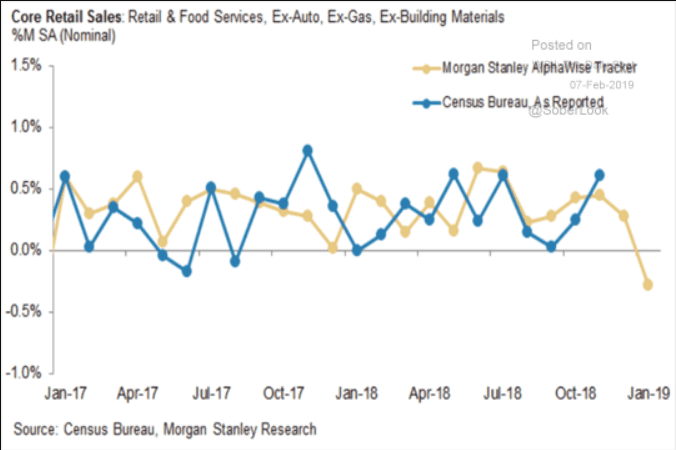
Starting to look more like most of the rest of the world:

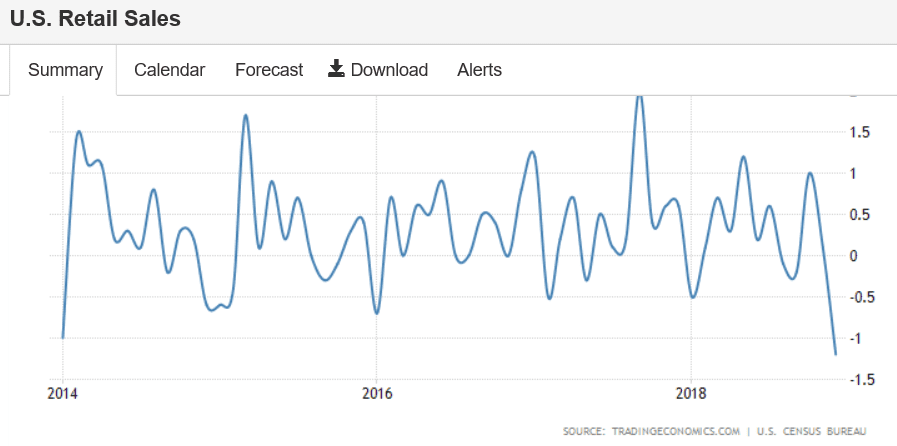
US retail trade fell by 1.2 percent from a month earlier in December 2018, following a revised 0.1 percent growth in November and missing market expectations of 0.2 percent gain. It was the steepest decline in trade since September 2009, as sales fell in almost all categories. Excluding automobiles, gasoline, building materials and food services, retail sales dropped 1.7 percent in December after an increase of 1 percent in November.

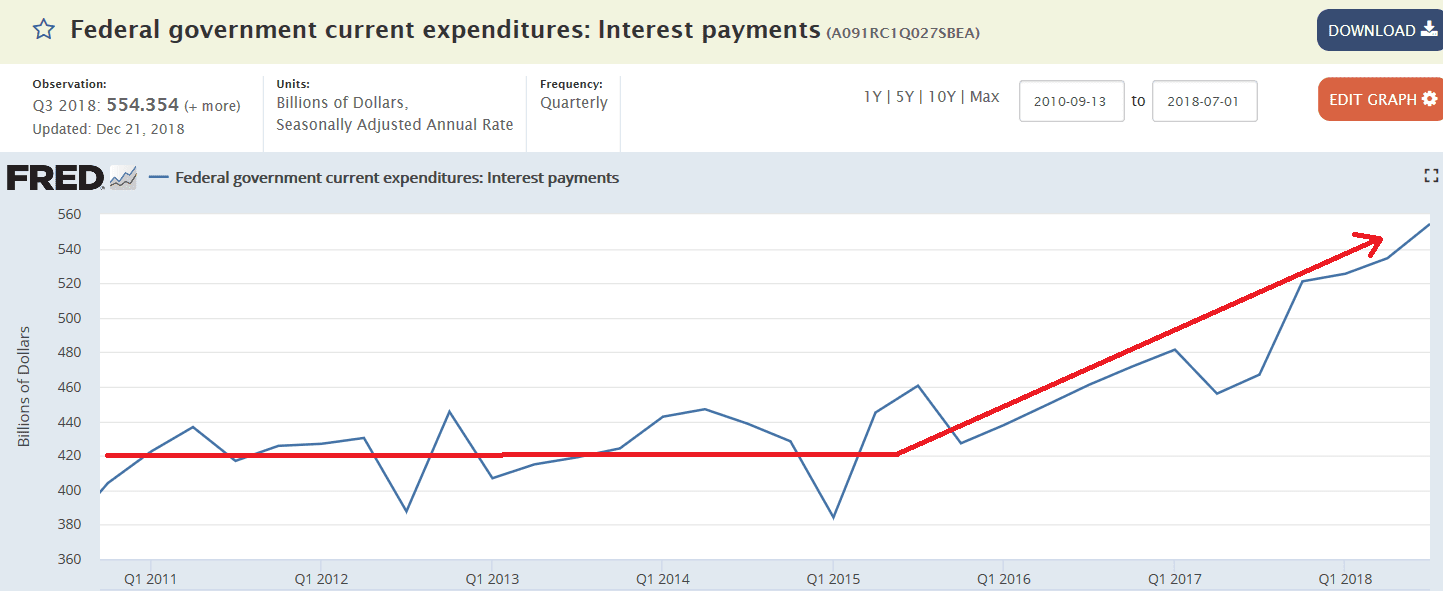
The economy has been getting a bit of support from Fed rate hikes as they increased federal interest expense paid to the economy. If they start cutting rates that support likewise goes away:

NFIB survey, China, UK, California home sales, Rig count

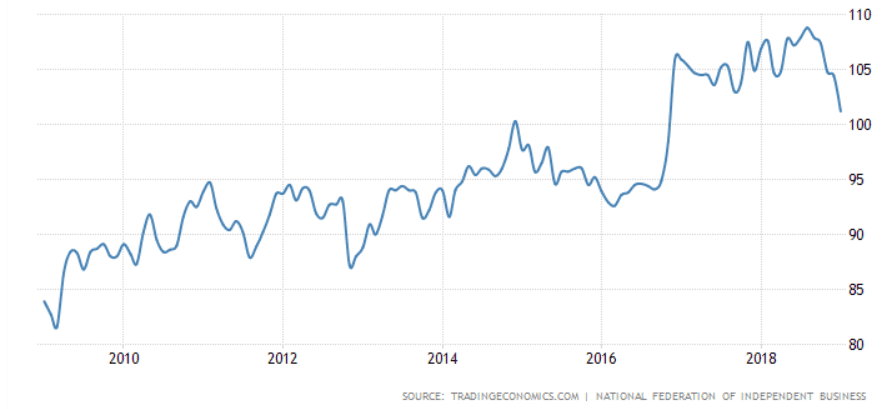
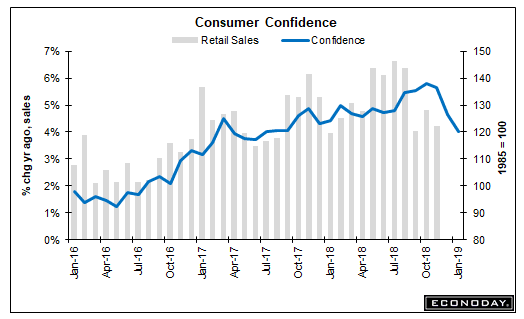
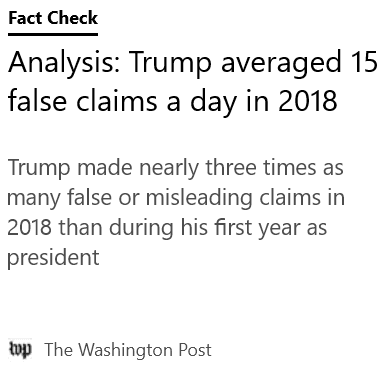
Trumped up expectations fading:

Highlights

Doubts about future economic growth diminished optimism among small business owners to the lowest level in 26 months, according to the NFIB’s Small Business Optimism Index, which fell 3.2 points in January to 101.2, below consensus expectations as well as the range of analysts’ forecasts. Though still above the long-term average of 98, the optimism reading has retreated sharply from the 45-year high set last August, and the fall in January mainly reflects a 10-point drop to a net 6 percent in expectations that the economy will improve, a 7-point decline to a net 16 percent in expectations that real sales will be higher, and a 7-point drop to a net 1 percent in plans to increase inventories.

The decline was broad-based, however, with 7 of the 10 components of the index retreating: plans to increase employment fell 5 points to a net 18, current job openings fell 4 points to a net 35 percent, the view that now is a good time to expand was down 4 points to a net 20 percent, and the view that current inventory is too low fell 2 points to a net minus 3 percent.

China’s Lunar New Year sales lose steam as economy slumps

(Nikkei) China’s Lunar New Year holidays through Sunday saw single-digit consumption growth for the first time on record, as an economic slump dampened one of the year’s biggest shopping seasons. Sales in the retail and food-and-drink industries grew 8.5% to 1.005 trillion yuan ($149 billion) over the weeklong holiday down 1.7 percentage points from 2018 and the lowest growth rate in data going back to 2005 when such data was first collected. The number of people traveling within China rose only around 7% year on year to 415 million, compared with growth of around 12% in 2018.

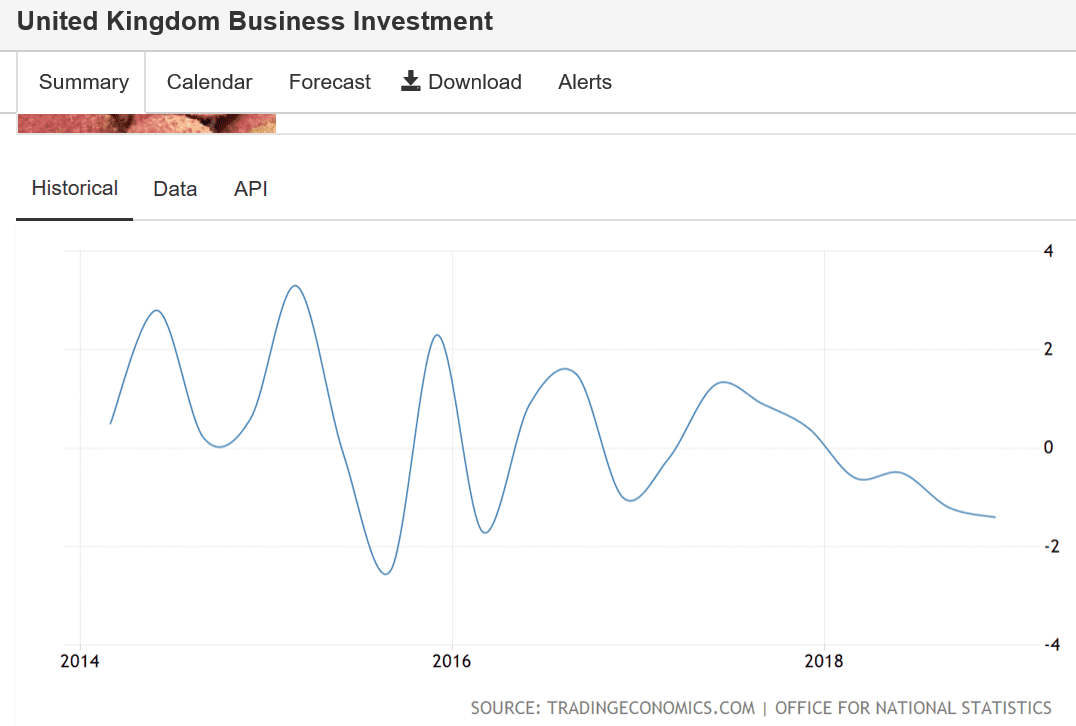
Slowing global trade more than Brexit?

Southern California Home Sales Were The Lowest For A December In 11 Years

New data released today by CoreLogic shows a total of 15,781 new and existing houses and condos were sold in Los Angeles, Riverside, San Diego, Ventura, San Bernardino and Orange counties in December 2018. This number is down 8.2 percent month over month from 17,192 sales in November 2018,* and down 20.3 percent year over year from 19,800 sales in December 2017. Total Southern California home sales in December were the lowest for that month since December 2007 when 13,240 homes were sold.

Sales have fallen on a year-over-year basis for the last five consecutive months and in seven of the last eight months.

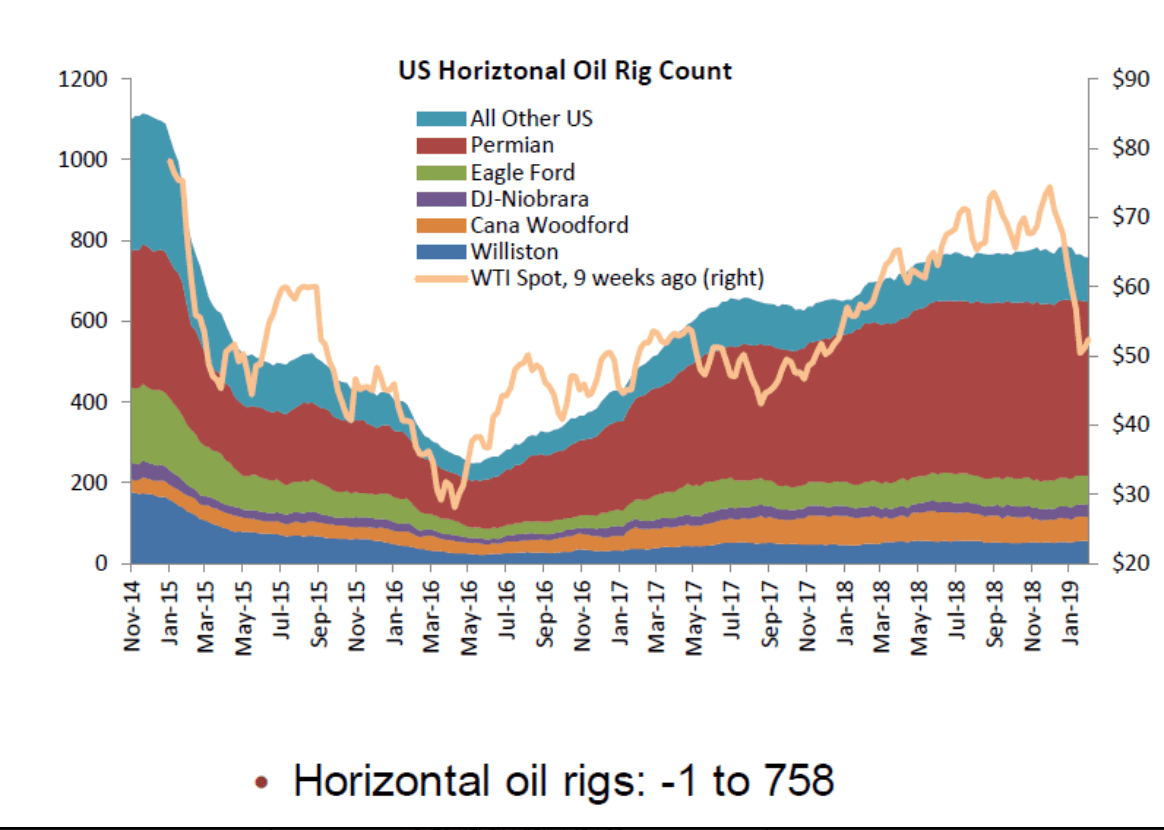
Stabilizing at current levels, which means no growth in capital expenditures:

Wealth share, Vehicle sales, US retail sales, US trade, German trade, HK index, UK, US Consumer credit

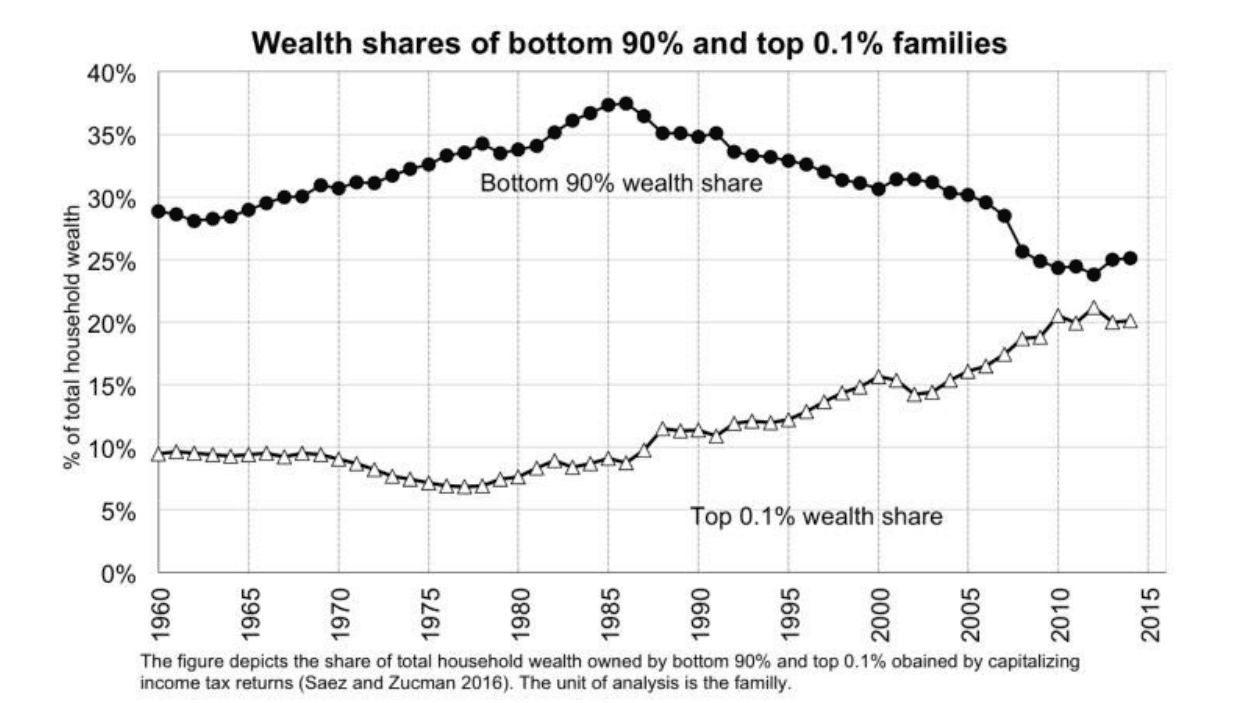
The ‘labor market’ is not a ‘fair game’ as people need to work to eat, and business only needs to hire if it likes the return prospects, so real wages should be expected to remain depressed without some form of outside support, which broke down in the 80’s with globalization policies, and the share of GDP going to capital began to rise:


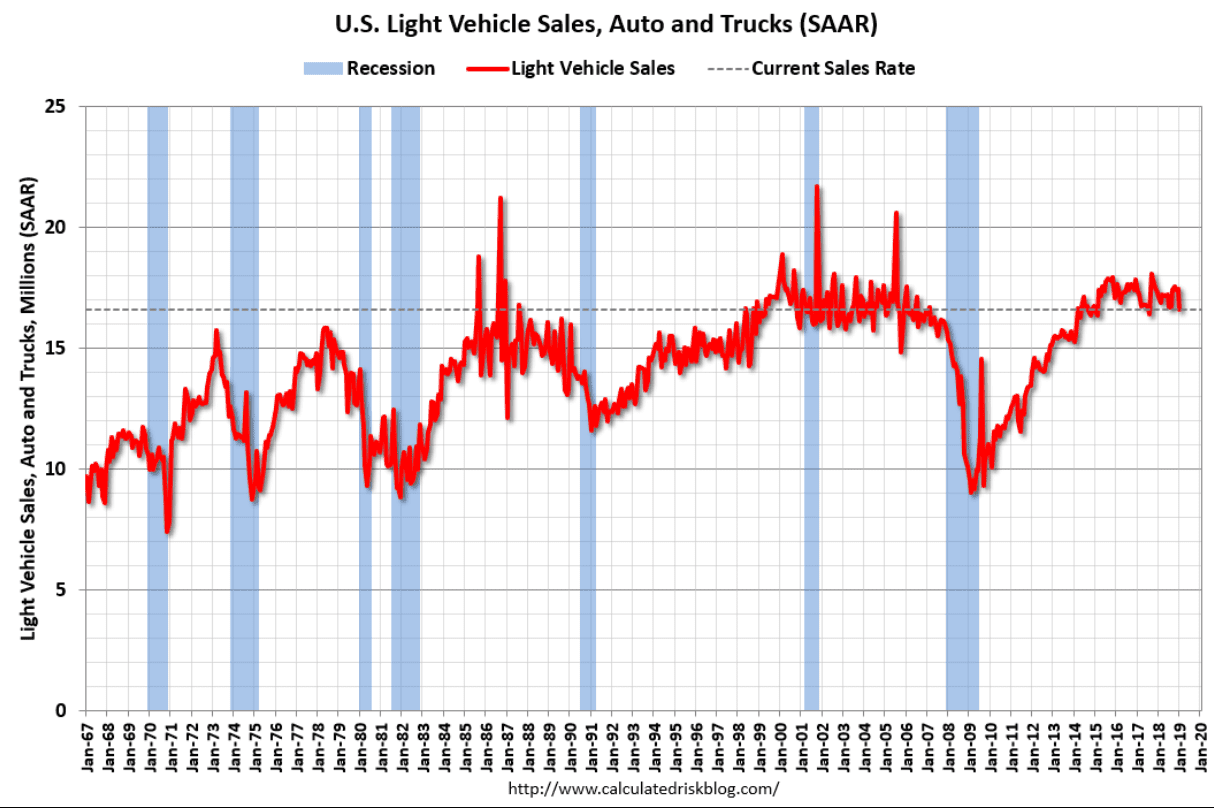
General weakness continues:


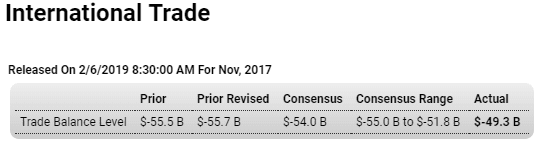
US imports way down, as reflected in general global weakness, and same for weak US exports. And also indicative of US weakness:

Highlights

A sharp pull back in imports, not strength in exports, led a much sharper-than-expected fall in November’s trade deficit to $49.3 billion. Imports, reflecting price declines for petroleum as well as a $4.3 billion drop in consumer goods especially cell phones, fell $7.7 billion in the month while exports also fell, down $1.3 billion and largely reflecting oil-related declines for supplies and materials.

Germany Balance of Trade

The German trade surplus decreased to EUR 13.9 billion in December 2018 from EUR 18.4 billion in the same month a year earlier. It was the smallest trade surplus since January 2016, mainly due to a sharp decline in exports.

Hong Kong Private Sector PMI

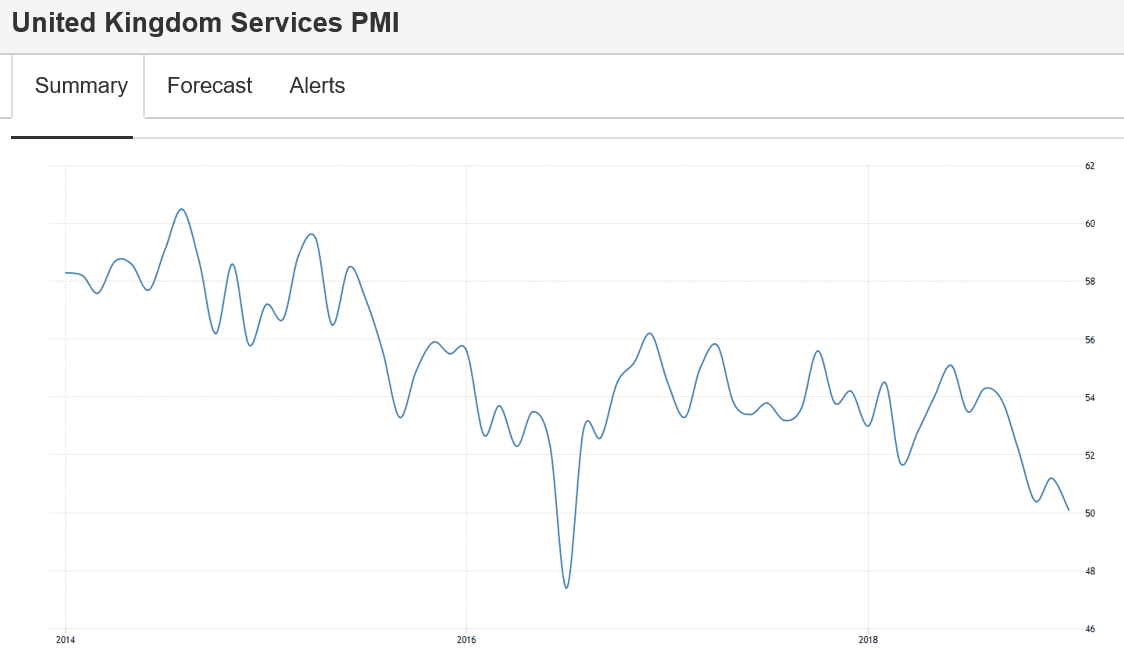
The seasonally adjusted Nikkei Hong Kong PMI inched higher to 48.2 in January 2019 from 48.0 in the previous month and marking the tenth straight month of contraction. New orders fell again, accompanied by lower sales to overseas markets, including China. At the same time, output continued to decline, while firms scaled back on purchasing activity and hiring.

Bank of England sees weakest UK outlook since 2009 on Brexit, global slowdown

The Bank of England said Britain faces its weakest economic growth in a decade this year as uncertainty over Brexit mounts and the global economy slows.

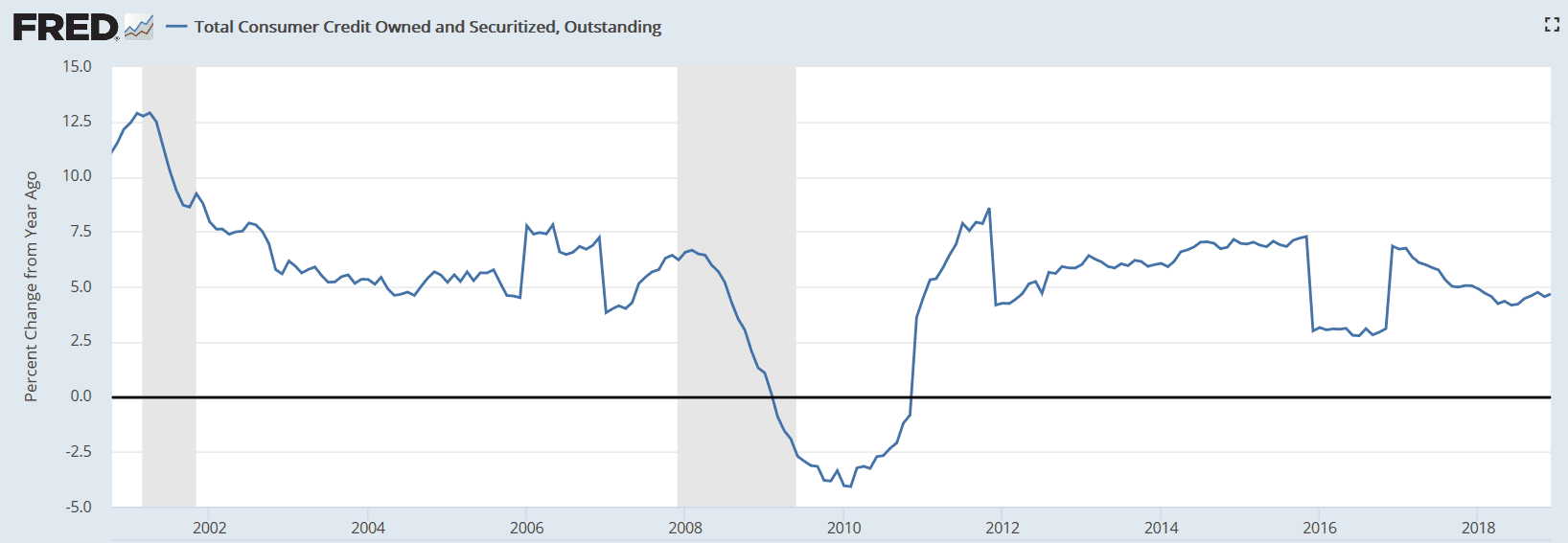
United States Consumer Credit Change

Consumer credit in the United States went up by USD 16.55 billion in December 2018, down from an upwardly revised USD 22.41 billion gain in the previous month and slightly below market expectations of a USD 17.0 billion rise. It was the lowest increase in three months. Revolving credit including credit card borrowing climbed USD 1.7 billion, compared to an upwardly revised USD 4.9 billion advance in November. Meantime, non-revolving credit including loans for education and automobiles jumped by USD 14.9 billion, after rising an upwardly revised USD 17.5 billion in the prior month.

News headlines- weakness continues, Mtg apps, Pending home sales, Confidence, ADP employment, MMT articles

Apple says China sales fell 27% last quarter

(Nikkei) Apple’s net sales in greater China, including the mainland, Hong Kong and Taiwan, fell 27% on the year to $13.17 billion for the three months ended Dec. 29 in results announced Tuesday. This marked the first downturn there in six quarters. Combined sales elsewhere, including the U.S., Europe and Japan, grew 1% to $71.1 billion, pointing to China as the central cause of the sluggish quarterly results. Greater China as a share of Apple’s sales shrank to 16% from 20%. Total sales for the quarter dropped 5% to $84.3 billion.

3M Lowers Profit Outlook for 2019

(WSJ) “Some of the things that we were expecting on tariffs haven’t turned out quite as bad as what we were estimating,” Financial Chief Nick Gangestad said. 3M now expects $70 million in higher raw material costs this year, including the effect of tariffs, compared with $100 million previously. But 3M said it was seeing a slowdown in some important markets including China and weaker demand globally in industries such as car and electronics production. The company expects potentially lower revenue growth and earnings of $10.45 to $10.90 a share this year, compared with its prior goal of $10.60 to $11.05 a share.

U.S. auto sales seen down in January: J.D. Power, LMC

(Reuters) U.S. auto sales in January are expected to fall about 1 percent from the same month in 2018, partly due to uncertainty around government shutdown causing some customers to delay purchases, according to industry consultants J.D. Power and LMC Automotive. Total vehicle sales in January are estimated to be about 1,141,300 vehicles, the consultancies said on Tuesday. Retail sales are expected to fall 2.4 percent to 864,300 vehicles in January, while the overall total seasonally adjusted annualized rate for vehicles is expected to be about 16.8 million vehicles, down 2.3 percent from a year ago.

Highlights

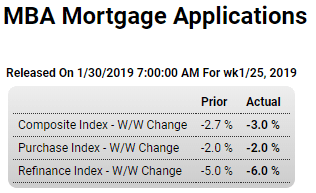
Purchase applications for home mortgages fell a seasonally adjusted 2 percent in the January 25 week, continuing the prior week’s cooling from the highest volume since 2010 seen at the start of the year. Year-on-year, unadjusted purchase applications gave up a 13 percent gain recorded in the prior week and plunged back into negative territory to a level 7 percent lower than a year ago. Applications for refinancing fell 6 percent from the prior week, pulling down the refinance share of mortgage activity by 2.5 percentage points to 42.0 percent. The average interest rate for 30-year fixed rate conforming mortgages ($484,350 or less) rose 1 basis point from the prior week to 4.75 percent. Note that results for the week were affected by the Martin Luther King Jr. Holiday, for which adjustments were made but which may still have distorted some comparisons. Despite the cooling in the last 2 weeks, purchase applications remain about 6 percent above the long term average and could give a boost to the housing market in the upcoming spring buying and selling season.

Way below expectations:

NAR: Pending Home Sales Index Decreased 2.2% in December

Still high but softening rapidly:


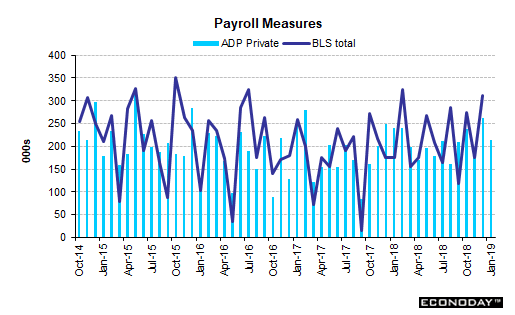
This forecast for Friday’s employment report is down from last month but still reasonably strong:

Highlights

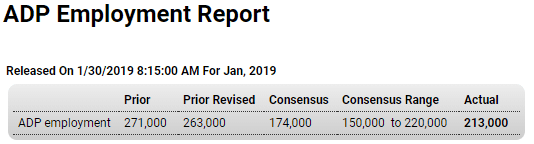
ADP estimates that private payroll growth in Friday’s employment report for January will rise a higher-than-expected 213,000. Forecasters pegged ADP’s January estimate at 174,000 and see Friday’s private payrolls coming in at 160,000 vs 301,000 in December.

These seem to be popping up everywhere, with none of them getting it right… ;)

The Flamboyant Absurdity of ‘Modern Monetary Theory’

Modern Monetary Theory: A Cargo Cult

MMT Or Bust – A Big Government Fantasy For Leftists

Trade, China

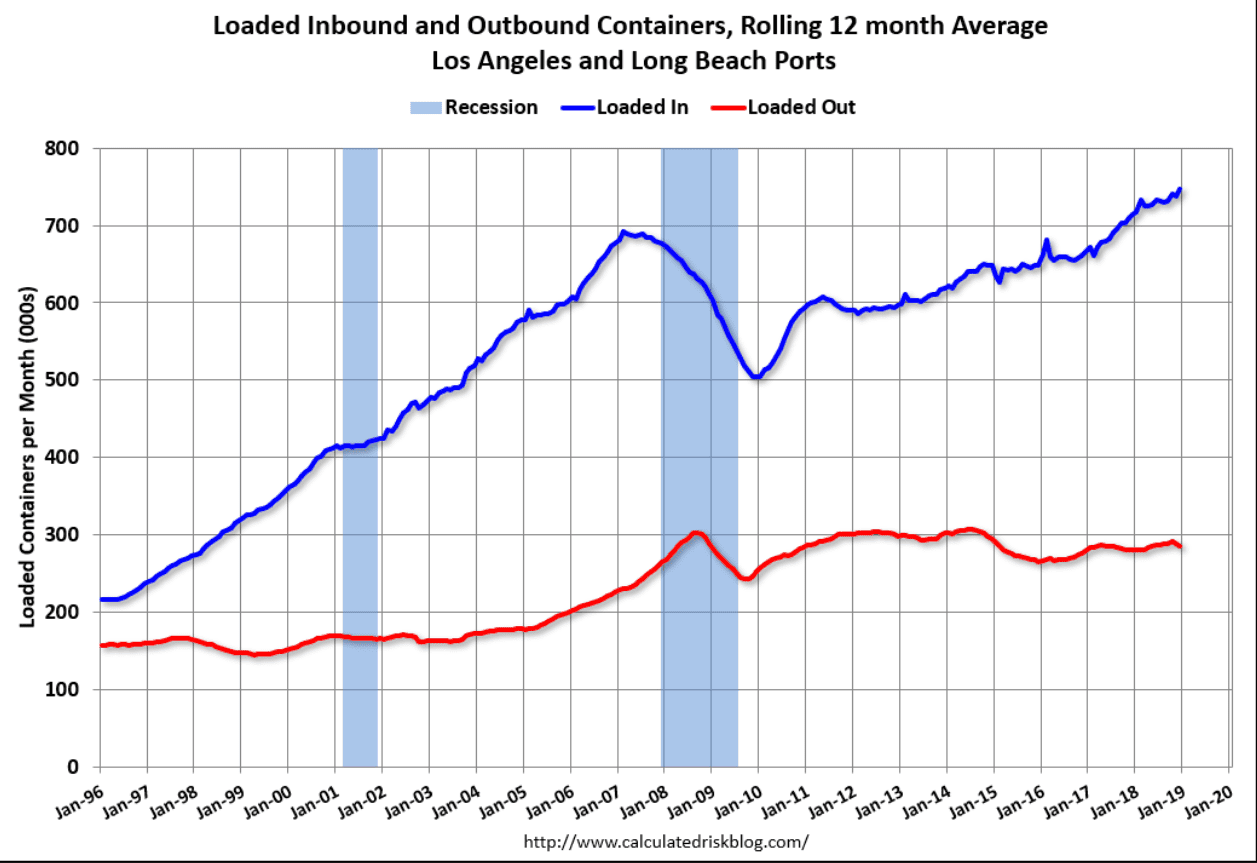
Imports up, exports down:

China’s December industrial profits fall for 2nd straight month

(Reuters) Profits notched up by China’s industrial firms declined 1.9 percent from a year earlier to 680.8 billion yuan ($100.9 billion) in December. For the full-year of 2018, industrial profits increased 10.3 percent on an annual basis to 6.64 trillion yuan, versus the 11.8 percent gain in the January-November period, the National Bureau of Statistics (NBS) said on its website. Chinese industrial firms’ liabilities rose 5.2 percent from a year earlier to 64.1 trillion yuan by end-2018, compared with a 5.8 percent rise as of end-November.

Slowdown bites China’s auto industry as inventories pile up

(Nikkei) Auto sales including passenger and commercial vehicles fell 2.8% to 28 million units last year as Beijing phased out tax cuts on smaller cars and the Sino-American trade war helped dampen economic growth. Bernstein, which reckons first-time auto insurance give the most accurate view of actual retail sales, expects industry sales to decline 4% this year following what it calculated as a 7.1% contraction in 2018. The industry started 2019 with channel inventory at record high levels, and vehicle prices and margins are likely to remain under pressure amid declining volumes, it added.

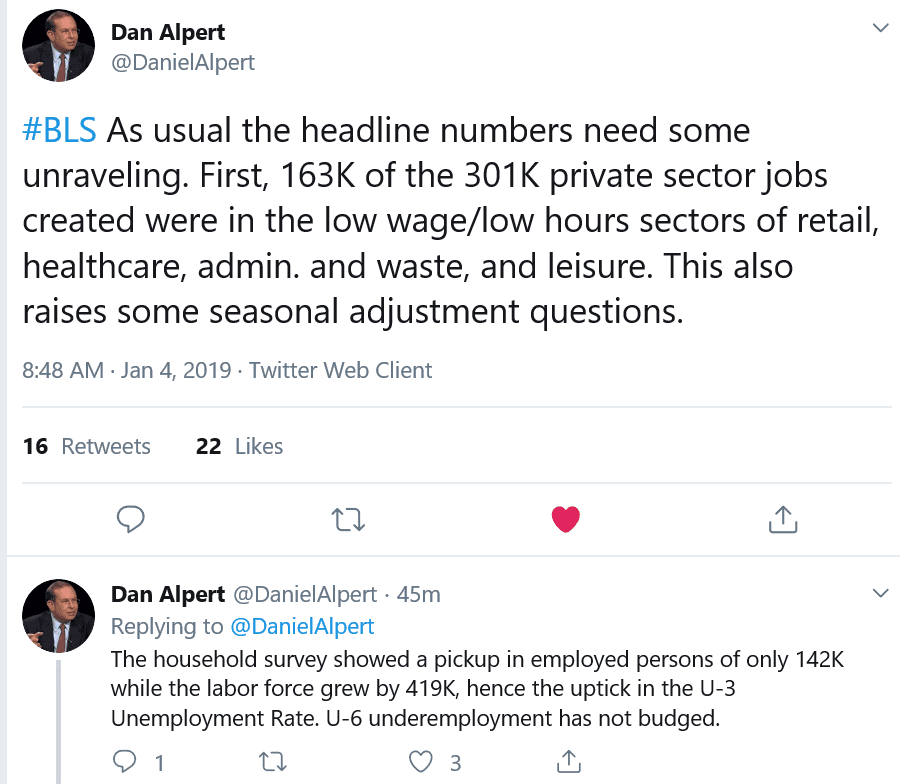
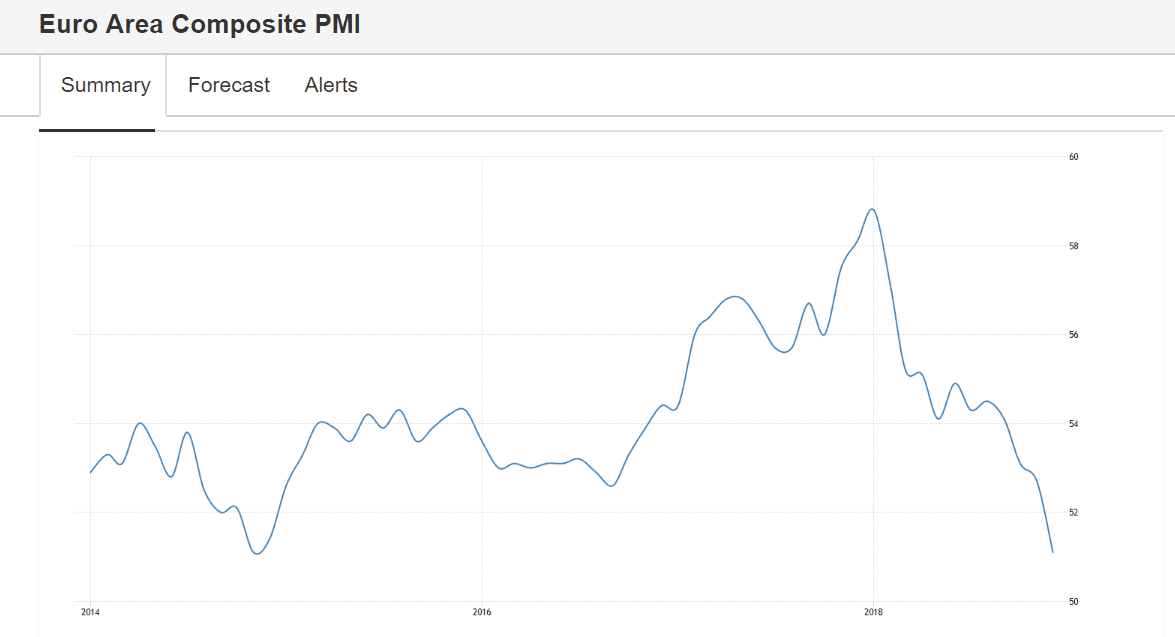
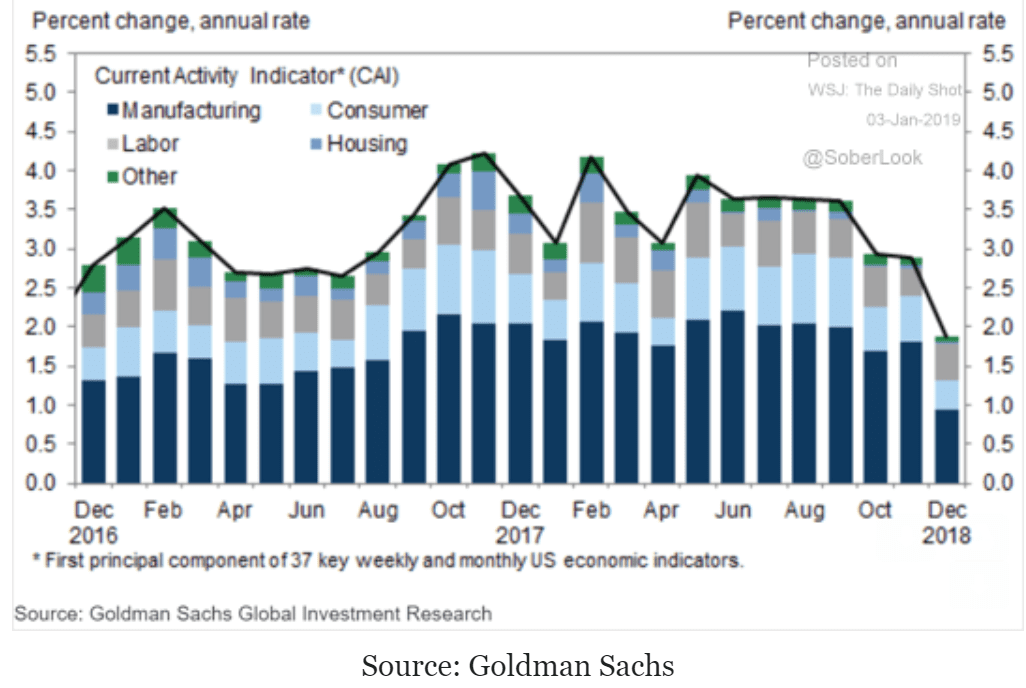
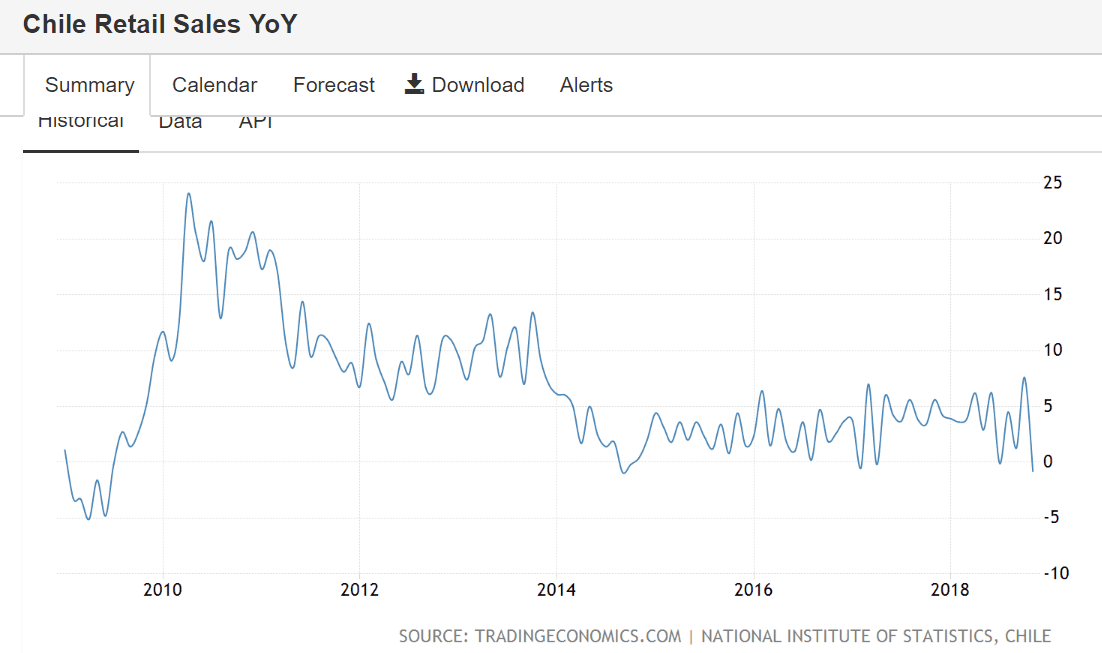
Employment, Euro pmi, Chile retail sales, Goldman index. Leveraged loans, Bank credit


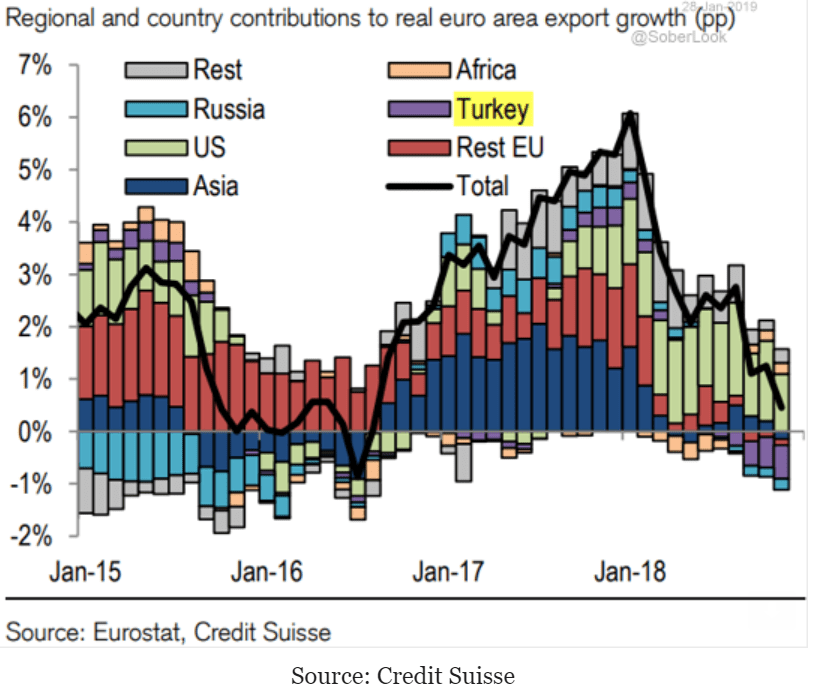
Agent Orange, the self proclaimed tariff man, taking the EU:


US decelerating:


I would have expected Chile to be affected most by global warming…


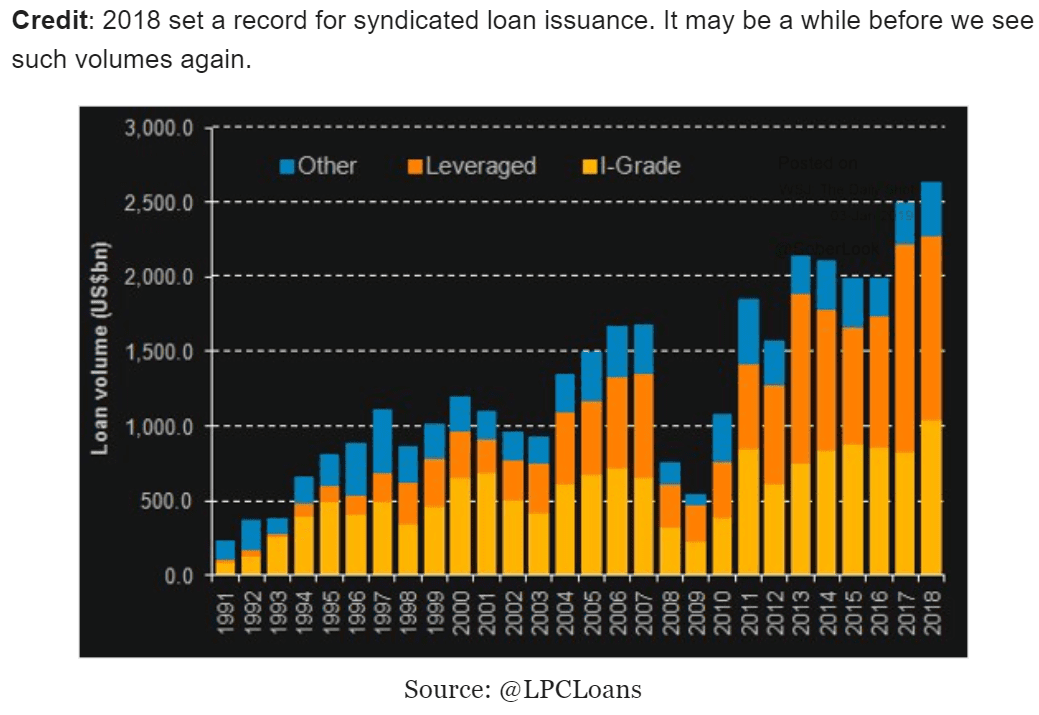
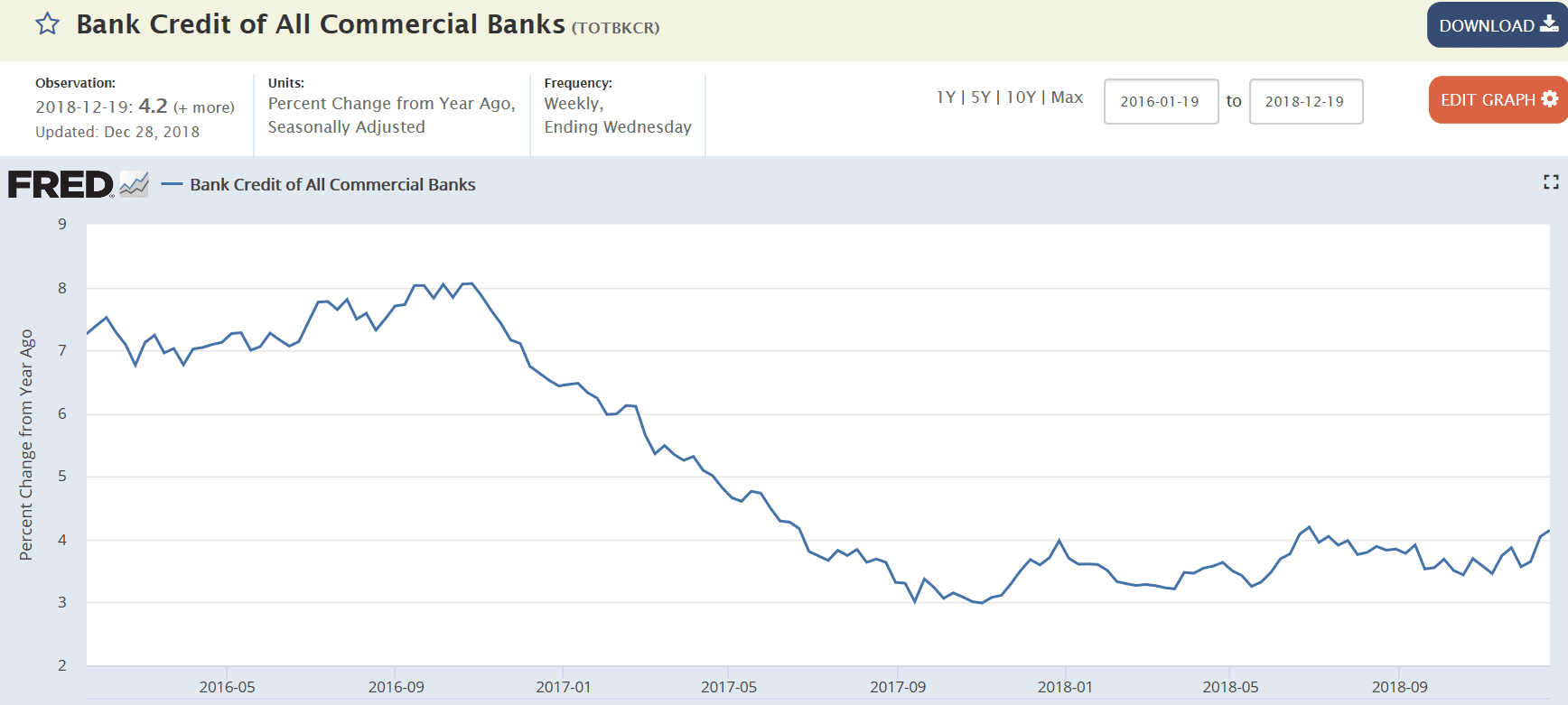
It’s becoming more clear to me that lending shifted from banks to other investment entities via the leveraged loan process, and the growth in that credit channel is what supported GDP growth as other channels faded. Most recently, however, leveraged loan growth has faded, and the weakening economic indicators tell me this time there hasn’t been any other forms of credit expansion stepping up:

Pending home sales, Richmond Fed, Holiday retail sales

Bad:

Highlights

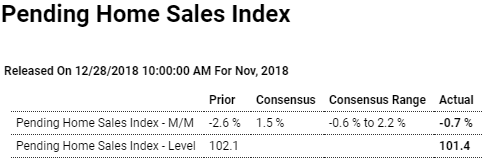
Existing home sales have been leveling but the signal from pending home sales points to a new downturn. The pending home sales index for November fell 0.7 percent to 101.4 which is under Econoday’s consensus range and compared to expectations for a 1.5 percent gain. Year-on-year this index is down 7.7 percent vs a 7.0 percent decline in final sales of existing homes.

Pending sales in November posted low single-digit contraction in both the South and Midwest to offset low single-digit gains in Northeast and West. Pending sales take one to two months to close with today’s report offering advance indications for final resales in December and January.

The Pending Home Sales Index, a forward-looking indicator based on contract signings, decreased 0.7 percent to 101.4 in November, down from 102.1 in October. However, year-over-year contract signings dropped 7.7 percent, making this the eleventh straight month of annual decreases.

Read more at https://www.calculatedriskblog.com/#hHG97tpYkWwFYF4R.99

More surveys fading fast:
Highlights

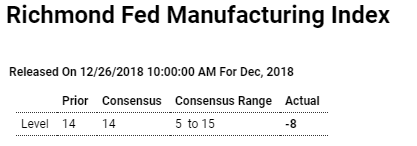
Manufacturing activity in the Fifth District contracted in December, with the Richmond Fed Manufacturing Index declining sharply by 22 points to minus 8, a negative surprise to analysts whose consensus forecasts called for an unchanged reading. The decline was driven by a 37-point drop in shipments to minus 25, the lowest reading since April 2009, and a decline of 26 points to minus 9 in the volume of new orders. Respondents also reported a sharp 30-point deterioration in local business conditions to minus 25, the lowest reading on record for the survey.

Also falling into contraction was the backlog of orders, which was down 33 points to minus 18, and capacity utilization, down 25 points to minus 16. Vendor lead times remained in expansion territory but also declined sharply by 21 points to 14.

Bucking the downtrend and shoring up the overall index were increases in inventories, with finished goods up 11 points to 13 and raw materials up 10 points to 15. Employment also provided support after weakness in the prior month, with the number of employees up 3 points to 14.

Other employment data was weaker, however, with wages down 3 points to 31, available skills down 2 points to 28 and the average workweek down 8 points to 3.

On the inflation front, prices paid rose at a 4.36 percent annualized rate, slightly less than in November but still outpacing prices received, which rose at a moderate 2.26 percent rate. Expectation over the next 6 months were for a narrowing of the gap between prices paid and prices paid rate, with prices paid slowing to a 2.90 percent annualized rate and prices received remaining about unchanged at a 2.31 percent growth rate.

First two headlines on CBNC seem a bit contradictory?