New home sales, CAB, house prices

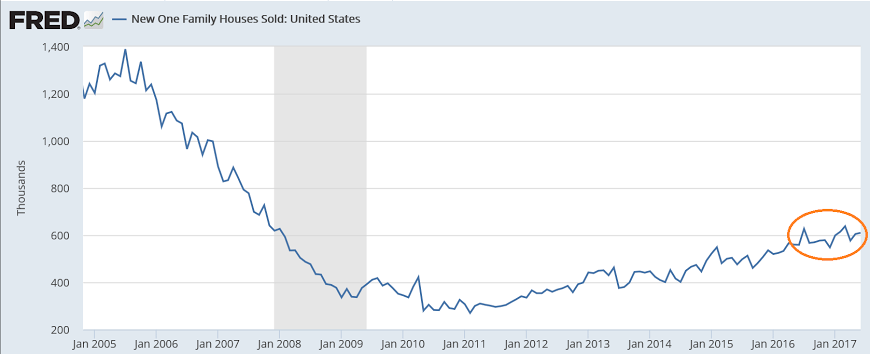
New homes aren’t built without permits, which have flattened as well, and are therefore not adding as much to growth:

Highlights

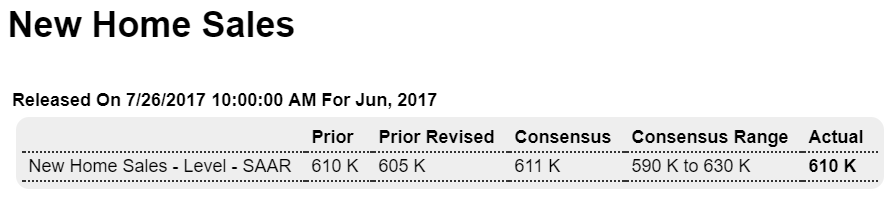
New home sales are steady near the best levels of the expansion, at a 610,000 annualized rate in June. The 3-month average is 597,000 which is, however, noticeably below the first-quarter cycle peak of 617,000. This is a negative for second-quarter residential investment in Friday’s GDP report.

But the upshot of today’s report is mostly positive. Sales are very strong in the West which is a key region for new homes. Sales in the region rose 12.5 percent in the month to a 180,000 pace and are up 33 percent year-on-year. But sales in the South, another key region and the largest one, fell in June, down 6.1 percent to a 323,000 pace. June sales were up in the Midwest, at a 66,000 rate, and flat in the Northeast at 41,000.

Sales got a lift from lower prices in the month, down 4.2 percent for the median to a still imposing $310,800. Year-on-year, the median is down 3.4 percent and looks low compared to the 9.1 percent gain for on-year sales.

Supply offers limited good news, rising but only slightly at a 1.1 percent monthly gain to 272,000 units. Relative to sales, supply is steady at 5.4 months vs 5.3 and 5.5 in the prior two months.

New home sales at least didn’t move backwards as did Monday’s existing home sales data. Low mortgage rates and high levels of employment are important positives for the sector which, despite up-and-down readings since the Spring, is still a positive force for the economy.

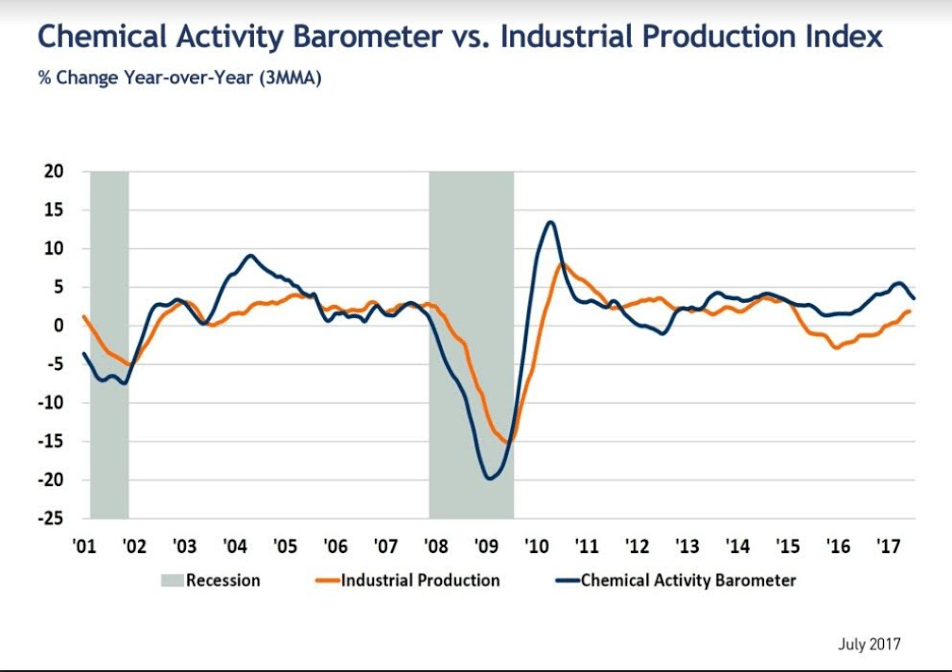
This tends to lead industrial production:


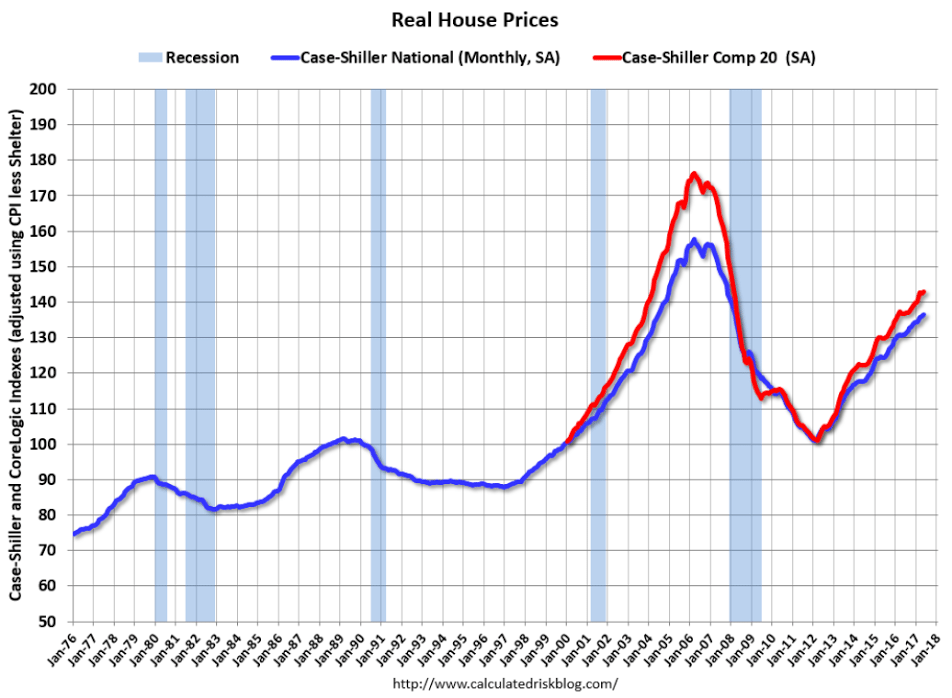
These house prices are inflation adjusted, and you can see they are still well below the prior peak:

Consumer confidence, Euro zone comments

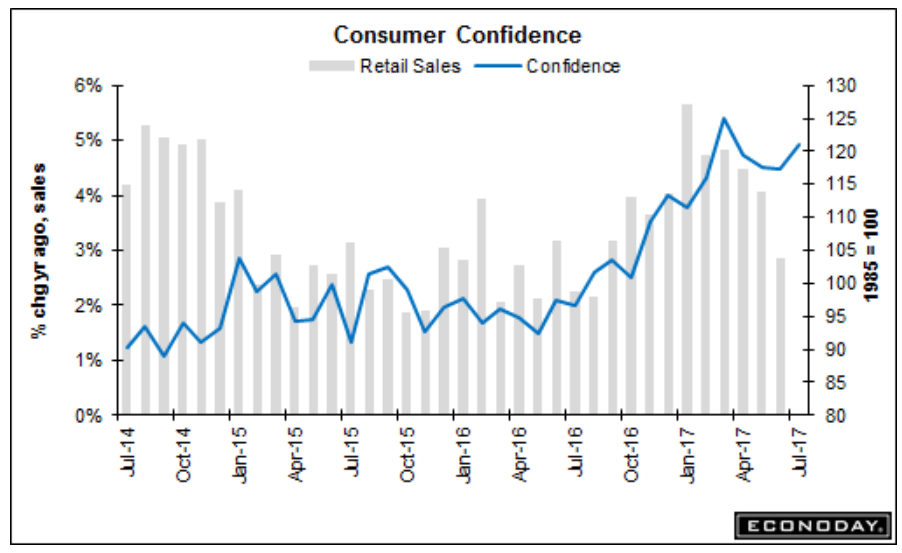
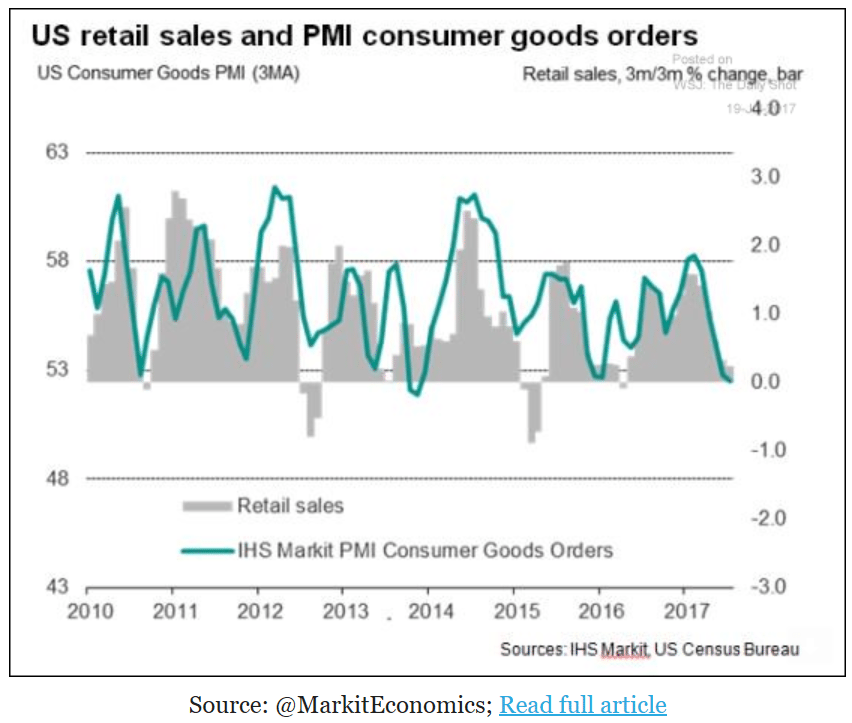
Consumer confidence (soft data) up for the month but retail sales (hard data) continue to decelerate:

No one talking about how this reduced what would have been private sector income and net financial assets by exactly that much, as the savings on interest was not spent by the governments but instead went towards deficit reduction:

Euro zone budget savings could complicate ECB rate hikes: Bundesbank

By Balazs Koranyi

Jul 24 (Reuters) — Euro zone countries have saved nearly a trillion euros ($1.17 trillion) in debt costs since the global financial crisis and governments may now try to pressure the ECB to keep borrowing costs low, the Bundesbank said on Monday. Germany saved around 240 billion euros compared with pre-crisis levels, the Bundesbank said. “If rates on average were still at their pre-crisis levels, interest expense last year alone would have increased by nearly 2 percent of the nominal gross domestic product,” the Bundesbank said. “Since 2008, savings have totaled almost 1 trillion euros or almost 9 percent of euro area GDP.”

Existing home sales, Services pmi

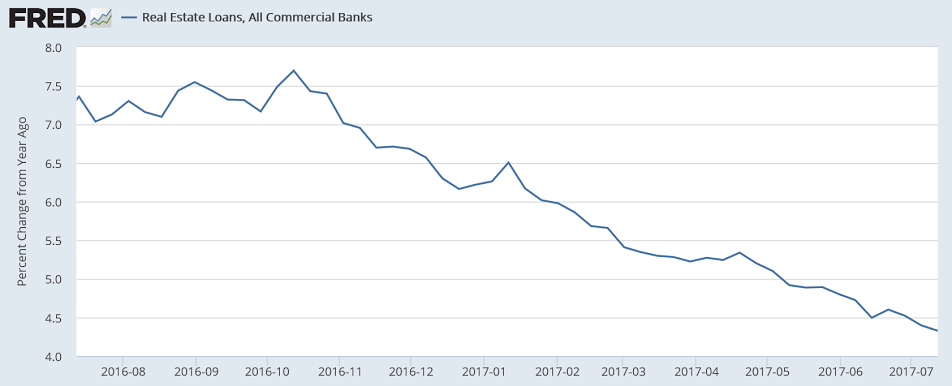
Mirrors the deceleration in mortgage lending:

Highlights

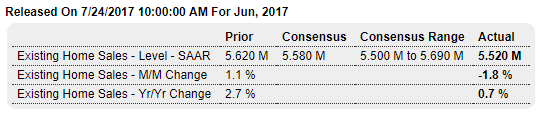
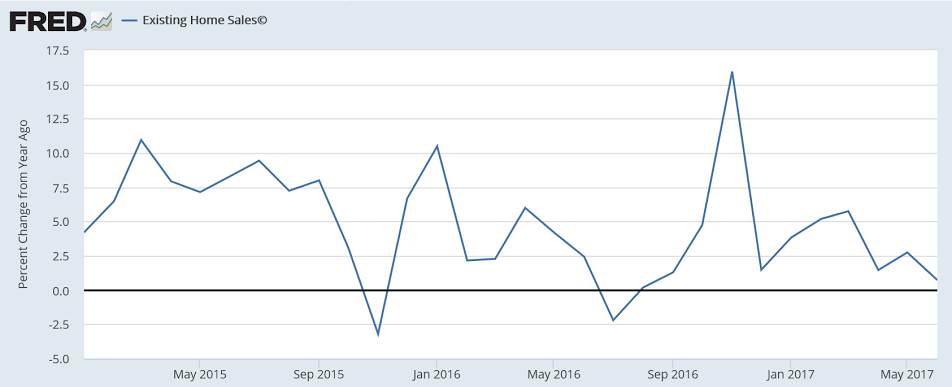
The slip in pending home sales was no false signal as existing home sales fell 1.8 percent in June to a lower-than-expected annualized rate of 5.520 million. Year-on-year, sales are still in the plus column but not by much, at 0.7 percent which is the lowest reading since February.

Compared to sales, prices are rich with the median of $263,800 up 6.5 percent from a year ago. Another negative for sales is supply which fell 0.5 percent in the month to 1.96 million for an on-year decline of 7.1 percent. Relative to sales, supply is at 4.3 months vs 4.2 months in May.

High prices appear to be keeping first-time buyers out of the market with the group representing 32 percent of sales vs 33 percent in May and 35 percent for all of last year.

Rising prices and thin supply, not to mention low wages, are offsetting favorable mortgage rates and holding down sales. Housing data have been up and down and unable to find convincing traction so far this year. Watch for new home sales on Wednesday where general strength is the expectation.

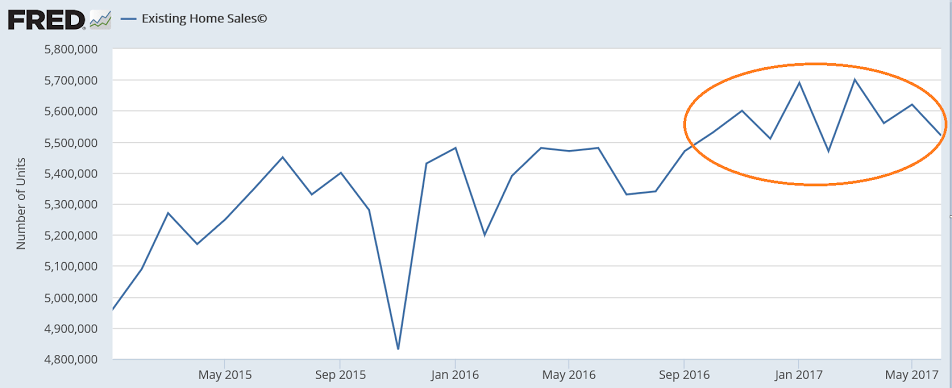
looks like sales have gone flat since the election:


Surveys like this generally spiked up with the presidential election while ‘hard data’ releases generally decelerated:

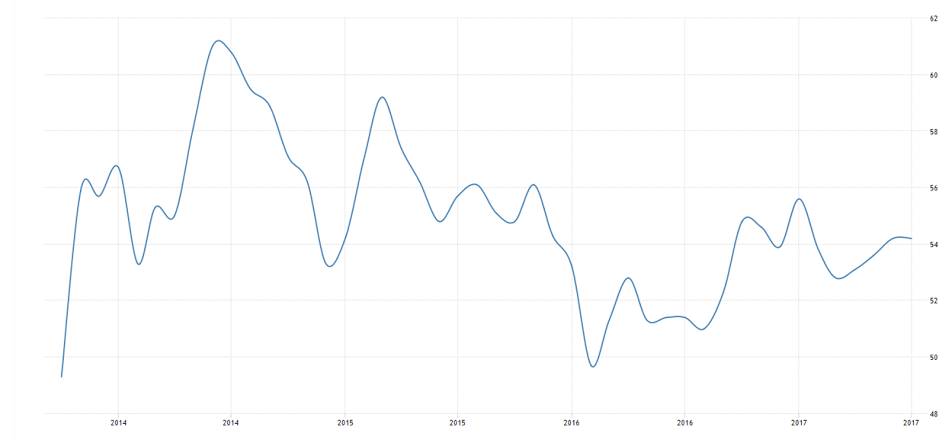
“The seasonally adjusted IHS Markit Flash US Services PMI Business Activity Index came in at 54.2 in July 2017, unchanged from the previous month’s five-month high and slightly above market expectations of 54.1. New work increased the most since July 2015 amid an improving economic backdrop and greater willingness to spend among clients. leading to stronger job creation and a sustained rise in volumes of work outstanding. On the price front, input cost inflation eased from June’s peak while average prices charged rose the least in three months. Services PMI in the United States is reported by Markit Economics.”

Philly Fed, Bloomberg consumer comfort index, Housing permits, Jobless claims, Euro comments, Trump comment

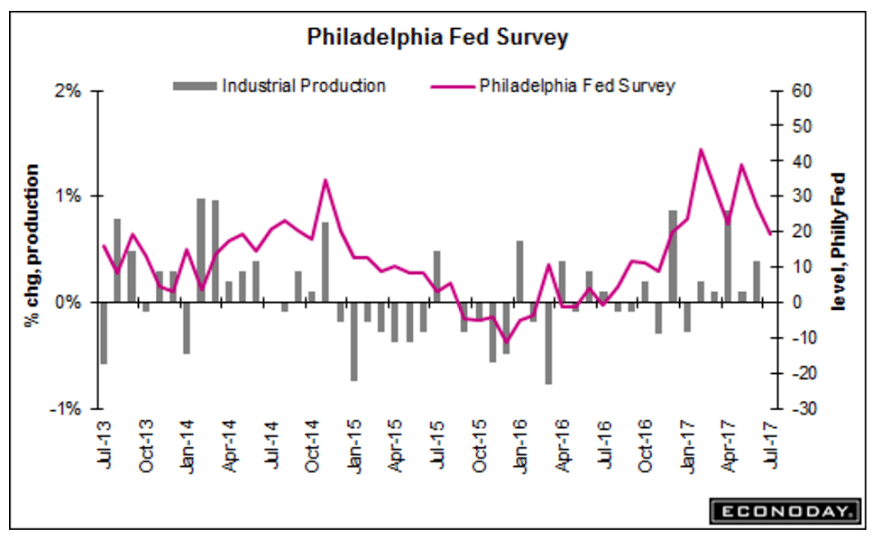
Trumped up expectations as reflected in the various surveys continue to fade, and fall in line with the decelerating ‘hard data’:

Highlights

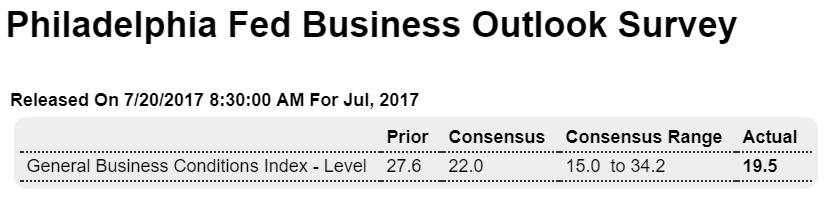
There finally may be cracks appearing in Philly Fed which has, since the election, been signaling break-out strength for the Mid-Atlantic manufacturing sector. The general conditions index looks solid at 19.5, still very strong though down from 27.6 in June and the least robust result since November. But details — which in this report are not reflected in the headline index — are the flattest since late last year.

New orders, at only 2.1, are down more than 20 points in the month for the worst reading since August last year. Unfilled orders show better strength at 7.2 but are still the weakest since December. Employment, at 10.9, is also the softest since December as are selling prices, at 9.0. Shipments, still strong at 12.2, are at the lowest rate of month-to-month growth since September last year with the workweek, still positive at 3.8, the lowest since November.

This report has been a puzzle all along, signaling post-election strength that was not matched at all by the national factory sector where growth has been no better than moderate. Though indications in today’s data still point to growth, they definitely are pointing to slowing which could either signal that this report is falling into line with actual national growth or, possibly, that national growth may be pivoting lower. In any case, this report is based on a small volunteer sample from only one area of the country.

Highlights

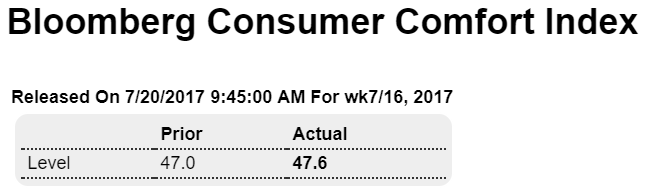
The consumer comfort index, which fell to a post-election low in the prior week, rebounded 6 tenths in the July 16 week to a 47.6 level that is still, however, the lowest since February. Confidence readings appear to be leveling out after their post-election surge.

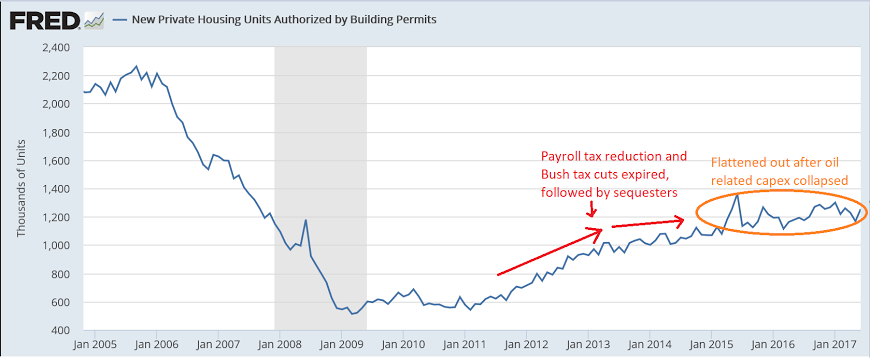
No homes built without permits, so this is the real thing. Note how permits are just over half of what they were at last cycles highs, and how they’ve nearly entirely stopped growing going on 2 years now:

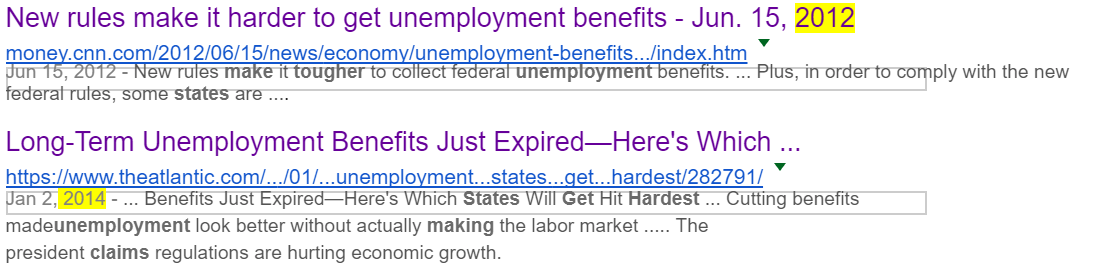
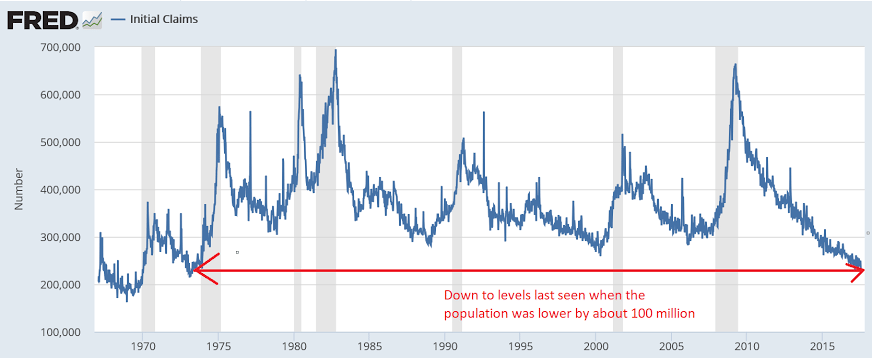
I still suspect it’s all about said benefits having been made much harder to get, especially with states working with employers to help them let people go in a way that denies them benefits which are an expense to both the state and the employer. So I remain cautious about reading this as a sign of economic strength:

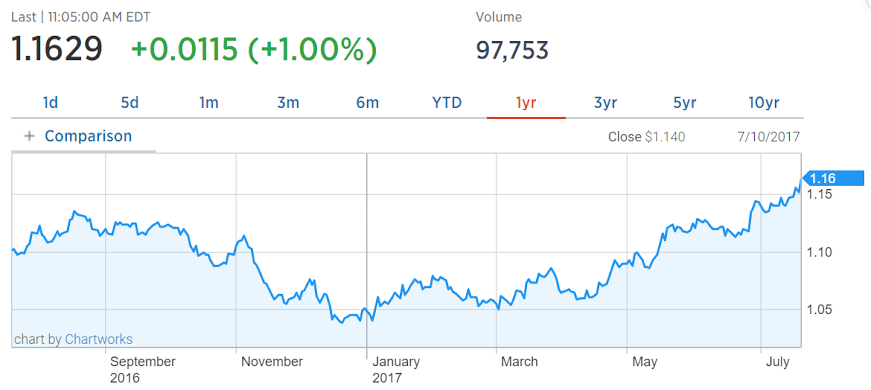
The weak euro, which was entirely due to portfolio shifting rather than trade flows, was an inflationary bias that worked to prevent unwanted deflation, and at the same time supported the growth of the trade surplus, which has been supporting positive GDP growth. With the euro now reversing the ECB could find it that much more difficult meeting it’s inflation target, and any reversal of the trade surplus risks negative growth for the entire euro area:

This is not looking constructive:

Housing starts, Consumer spending chart

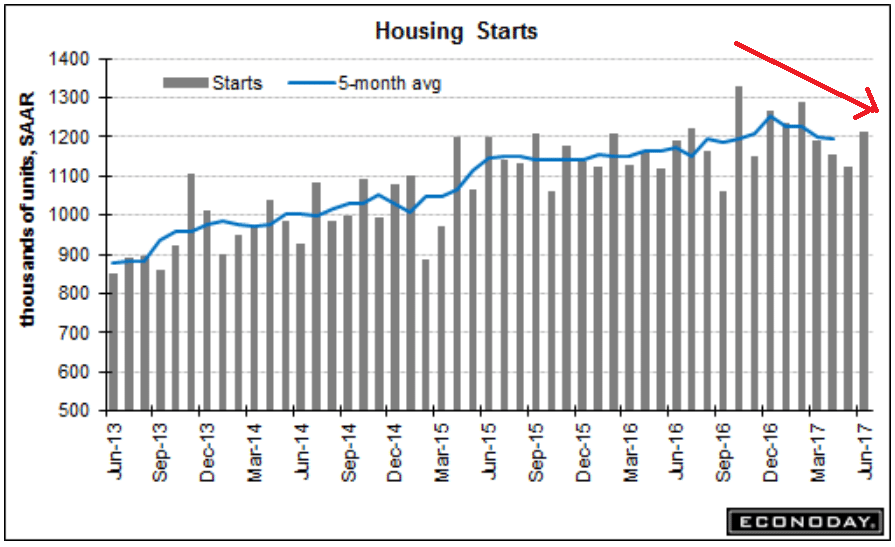
Better than expected, but not enough to reverse this year’s downtrend, as per the chart, and housing is adding less to q2 gdp than it did to q1 gdp:

Highlights

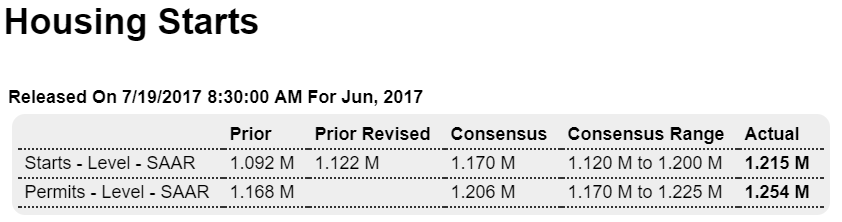
Housing data have been up and down and are now back up as both housing starts and permits easily beat Econoday’s top estimates. Starts jumped 8.3 percent in June to a 1.215 million annualized rate with permits up 7.4 percent to a 1.254 million rate.

As weak as the details were in the prior report is how strong they are in the latest. Looking at permits first, the single-family category rose 4.1 percent to an 811,000 rate with multi-family permits up 13.9 percent to 443,000. Permits are strongest in the Midwest followed by the West and South. Permits in the Northeast are the weakest.

Starts for single-family homes rose 6.3 percent in June’s report to 849,000 with multi-family up 13.3 percent to 366,000. Here the regional breakdown shows the Northeast out in front followed by the Midwest. Starts in the West are up slightly and are down noticeably in the South.

Completions offer further good news, up 5.2 percent overall to a 1.203 million rate led here by multi-family units. Homes under construction are unchanged at 1.070 million.

Despite June’s gains and in a negative for GDP, second-quarter rates are below those of the first quarter averaging 1.164 million for starts vs 1.238 million. Permits are also down, at 1.217 million vs 1.260 million.

Quarterly comparisons aside, this is a solid report that puts the housing sector back at the front of the economy. Watch next week for existing home sales and new home sales, both of which recovered in May after stumbling in April.

Lower highs and lower lows, as the 5 month moving average works its way lower:

Housing index, Bank lending

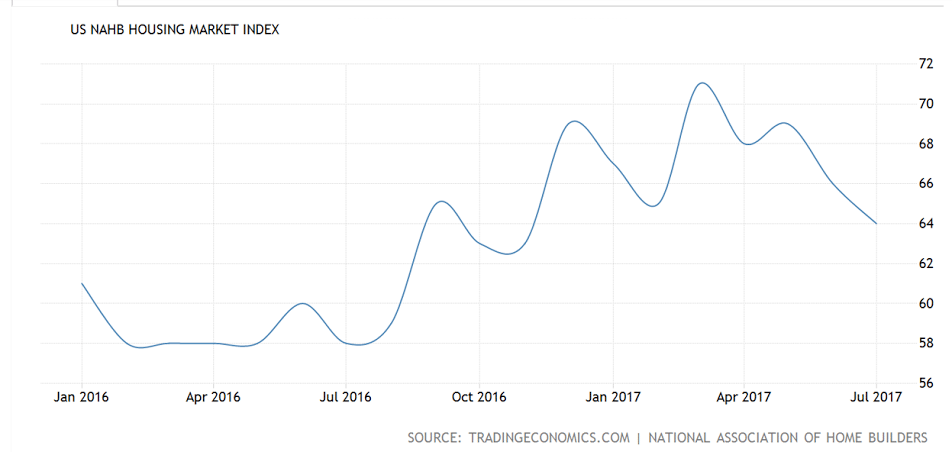
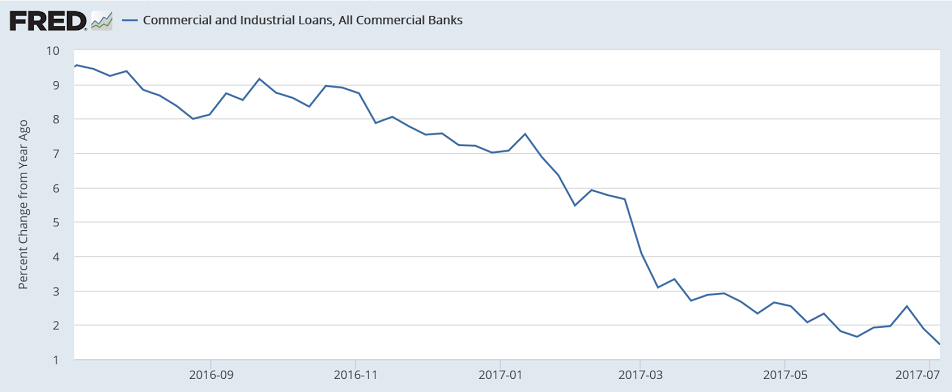
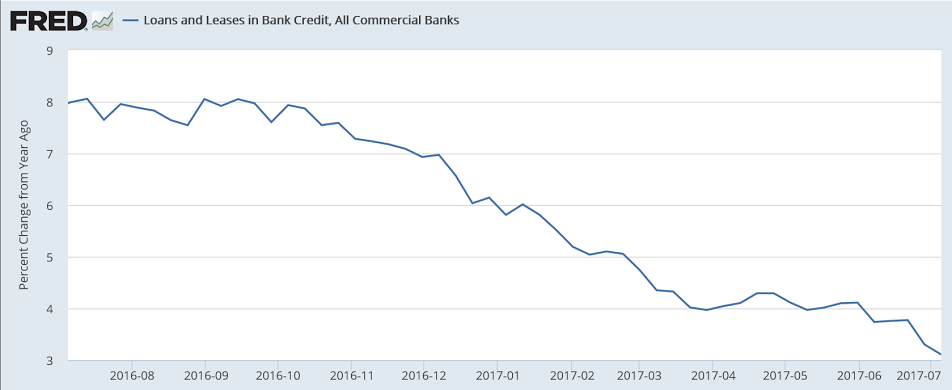
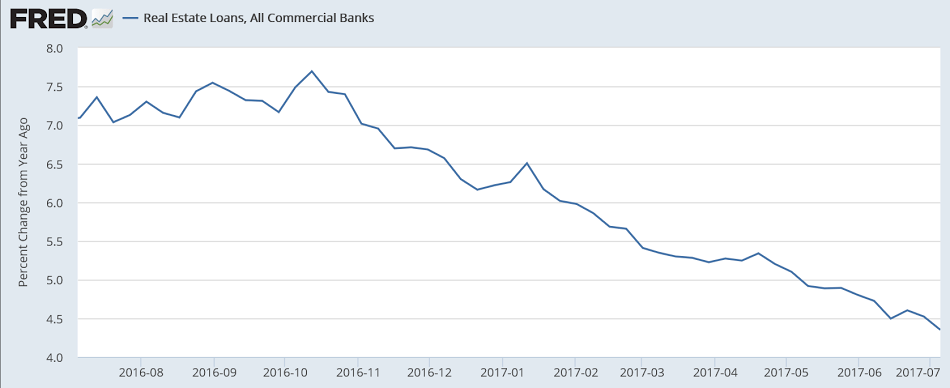
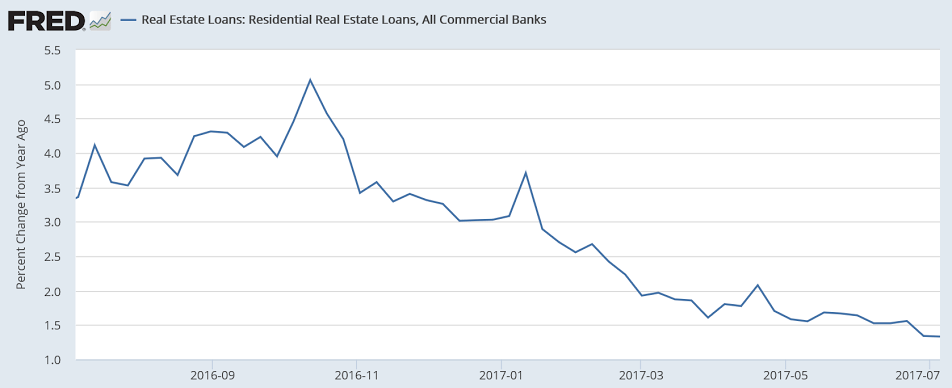
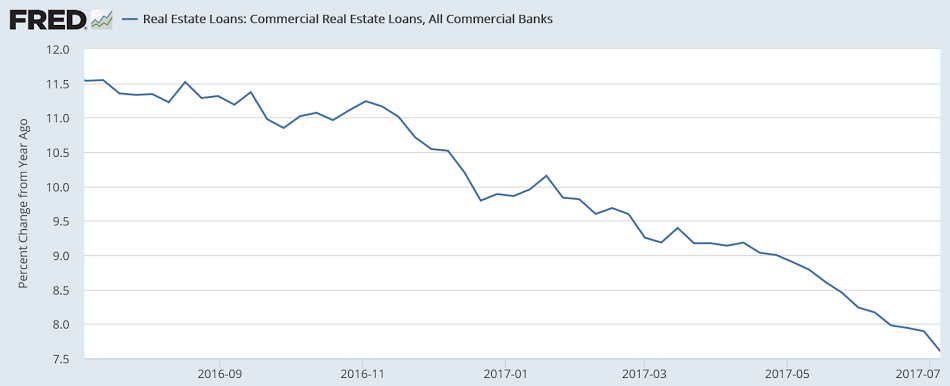
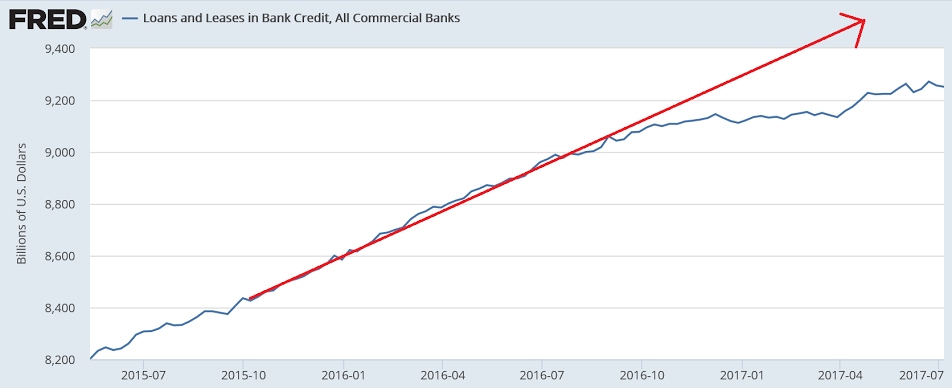
Trumped up expectations have now entirely faded and the general weakening of housing data is in line with the deceleration of bank mortgage lending:

Highlights

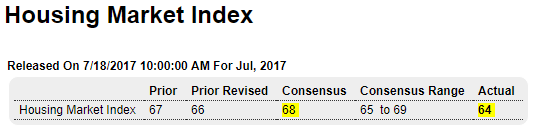
Home builders are less exuberant as the housing market index fell to a weaker-than-expected 64 in July. This is the lowest reading since November last year. The report cites the effects of high lumber costs on home builders but the decline in this index joins a run of moderation in other housing data.

Slowing is evenly divided among the 3 components. Future sales still lead at 73 with present sales at 70. But traffic, at 48, is below breakeven 50 for the 2nd month in a row. Regionally, the West remains the strongest for homebuilders followed by the Midwest and South and the Northeast far behind.

Today’s report does not point to improvement for tomorrow’s housing starts and permits data which are nevertheless expected to improve from prior weakness. Mortgage rates remain low but they haven’t been giving housing much of a push.


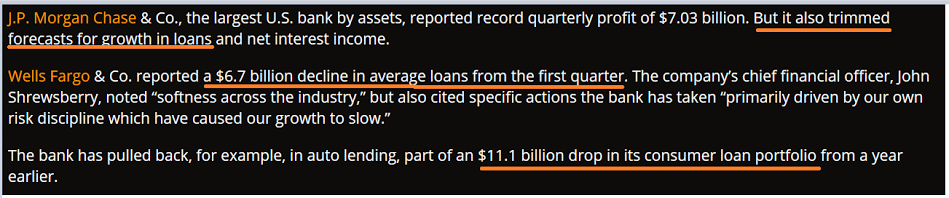
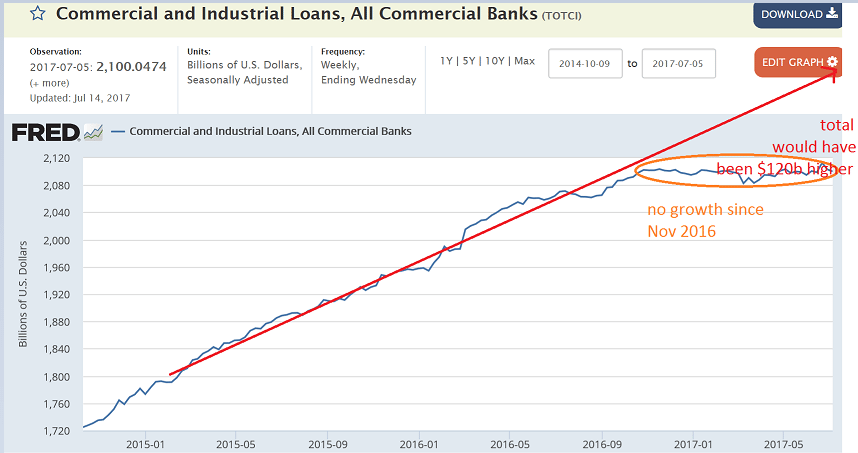
some anecdotal support for the bank lending collapse story:

NY mfg survey, Total vehicle sales

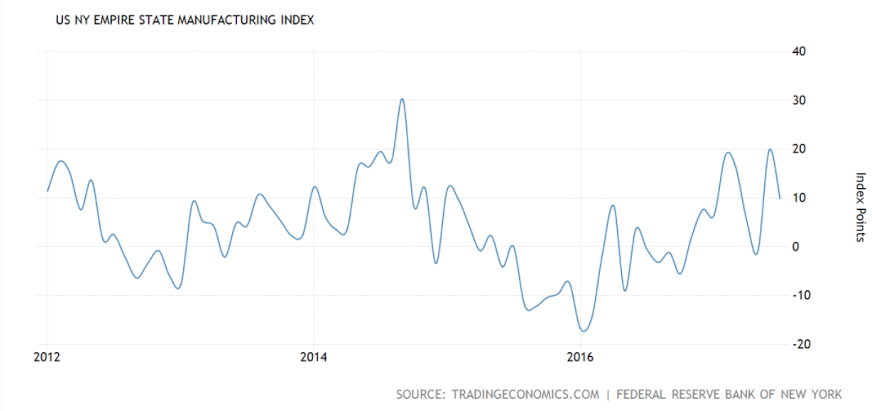
Settling down a bit:

Highlights

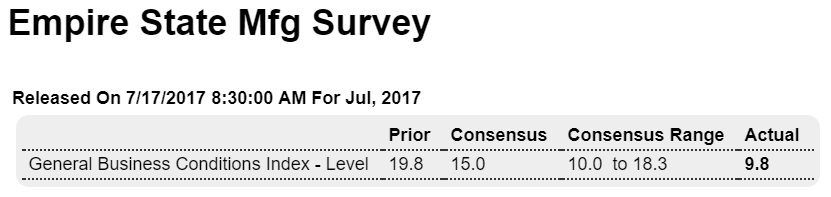
A little less strength is probably welcome in the New York Fed’s manufacturing sample where gains at times have been unsustainable. The Empire State index came in at 9.8 in July vs Econoday’s consensus for 15.0 and against June’s very hot 19.8.

New orders are strong at 13.3 but down nearly 5 points from June while unfilled orders moved back into contraction to minus 4.7. Employment slowed to 3.7 for a 4 point dip while shipments also slowed but are still very solid at 10.5.

Another sign of slowing is a nearly 8 point dip in general expectations to 34.9 which is relatively moderate for this reading, one that always runs well above current assessments. Inventory building is slowing this month with price readings stable and favorable as both inputs and selling prices are showing positive pressure.

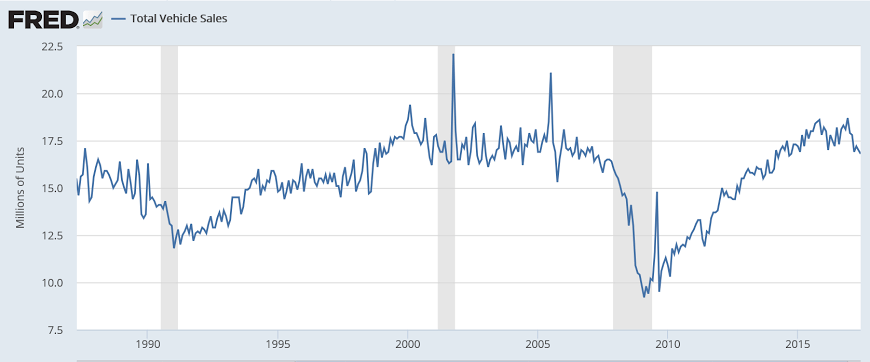
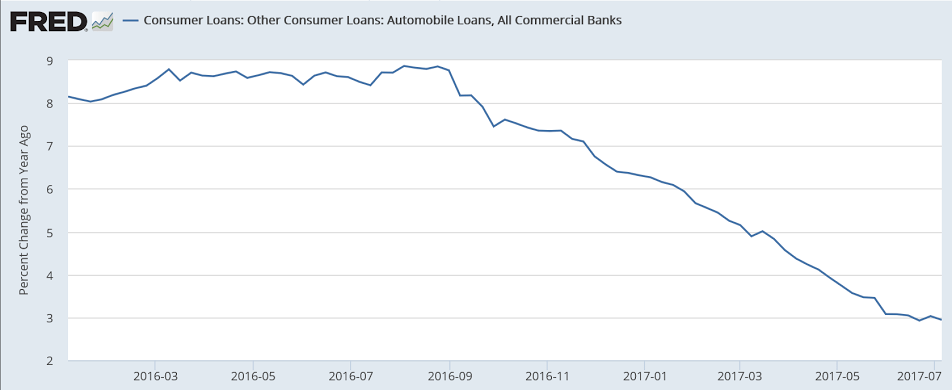
Total vehicle sales typically roll over in front of recessions, also in line with the credit aggregates:

Credit check, Atlanta Fed

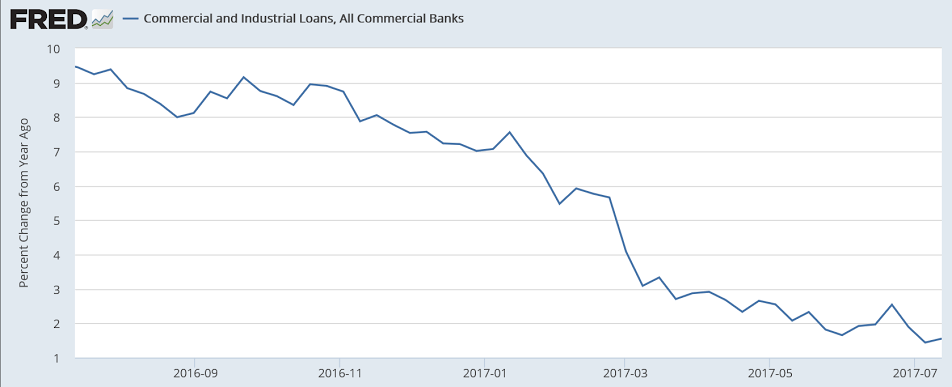
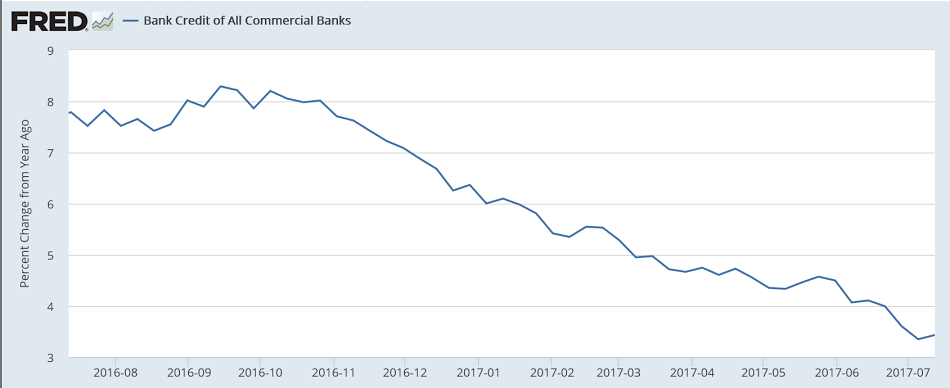
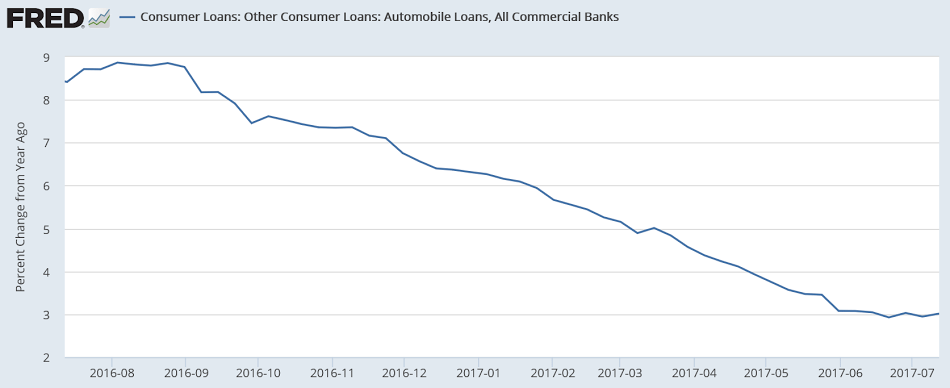
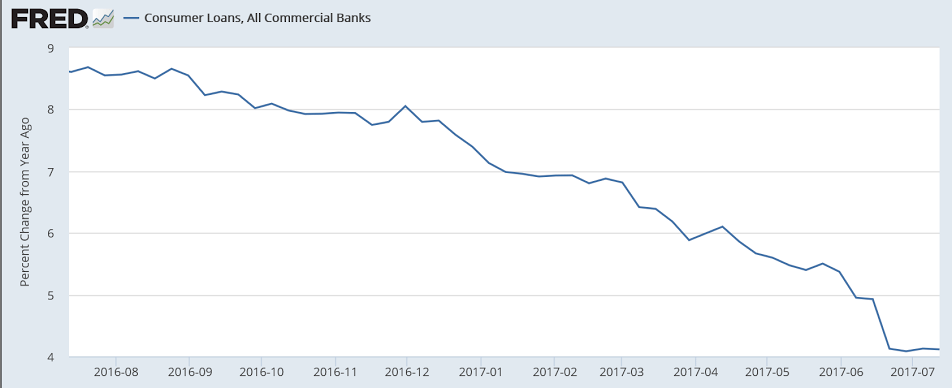
Still decelerating, and data releases seem to confirm that the credit deceleration is reflecting something similar in the macro economy:


Annual growth is down to about 1.5%:


This would have been maybe $500 billion higher if it had not decelerated:


Housing and cars contribution to growth also looking a lot lower than last year:


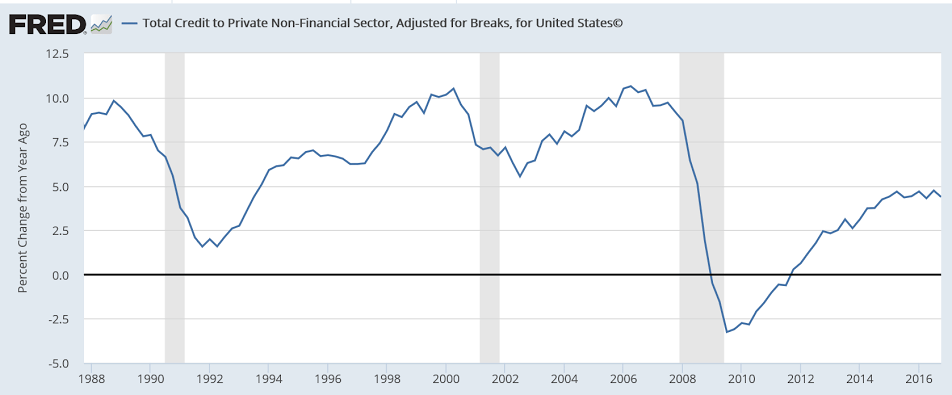
This chart is only through year end. It’s since decelerated as per the above current charts. Note how the downturn in credit growth tends to lead recessions:


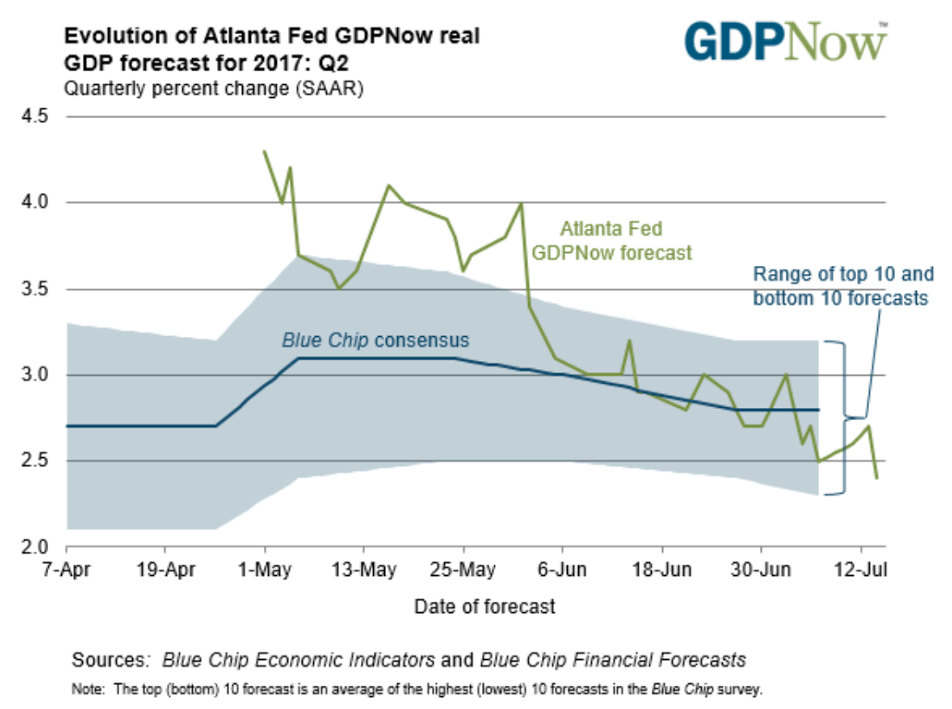
And forecasts for last quarter, Q2, continue to fall:

CPI, Retail sales, Industrial production, Hotel stats, rail week, US budget deficit, Asset price chart,Trump comments

The Fed continues to fail to meet it’s target. They just need a little more time… ;)
And coincidentally this is inline with the credit deceleration as previously discussed:
Highlights

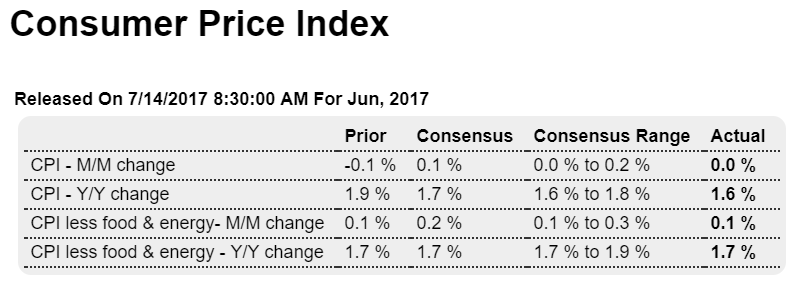
In what is one of the very weakest 4-month stretch in 60 years of records, core consumer prices could manage only a 0.1 percent increase in June. This is the third straight 0.1 percent showing for the core (ex food & energy) that was preceded by the very rare 0.1 percent decline in March. Total prices were unchanged in the month with food neutral and energy down 1.6 percent.

Housing, which is a central category, continues to moderate, also coming in at 0.1 percent following a 0.2 percent gain in May. Apparel is down for a fourth month in a row with transportation, reflecting falling vehicle prices, down for a second month. Medical care, which had been moderating, picked up with a 0.4 percent gain while prescription drugs which Janet Yellen has been citing for special weakness, bounced back with a 1.0 percent gain. However wireless telephone services, another area cited by Yellen for weakness, posted another sizable decline, down 0.8 percent in June.

Year-on-year, the core is steady at 1.7 percent with total prices, which fluctuate much more than the core, down 3 tenths to 1.6 percent. The Fed may be blaming this stretch of weakness on special factors, but that argument is losing force.

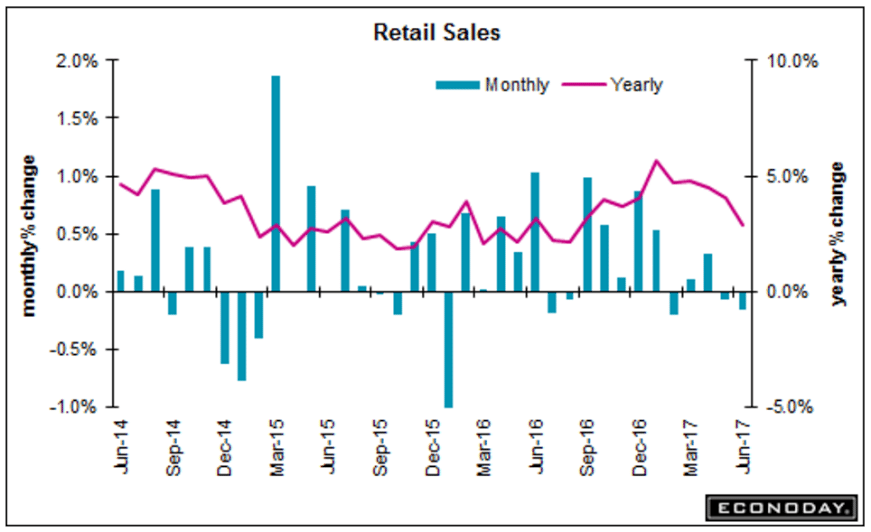
Also decelerating in line with decelerating credit aggregates:
Highlights

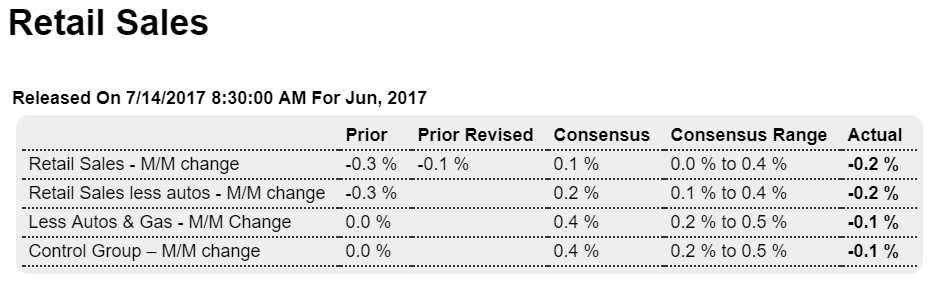
Consumer spending in second-quarter GDP will not be getting a lift from the retail component as retail sales fell an unexpected 0.2 percent in June. This follows a revised 0.1 percent decline in May and a revised 0.3 percent gain for April which proved to be the quarter’s only respectable showing.

Readings show wide weakness with vehicle sales coming in with a marginal 0.1 percent increase, the same for furniture and also electronics & appliances. Declines include food & beverage stores, down a sharp 0.4 percent, and department stores down 0.7 percent following the prior month’s 0.8 percent plunge. Restaurants are also weak, down 0.6 percent for the third decline in four months. Gasoline sales fell 1.3 percent reflecting price weakness. Nonstore retailers, which include e-commerce, are a positive in the report with a 0.4 percent gain as are building materials rising 0.5 percent gain.

But there really aren’t very many positives in today’s report, one that points to a surprising lack of consumer spirit and one that will not be raising estimates for second-quarter GDP.
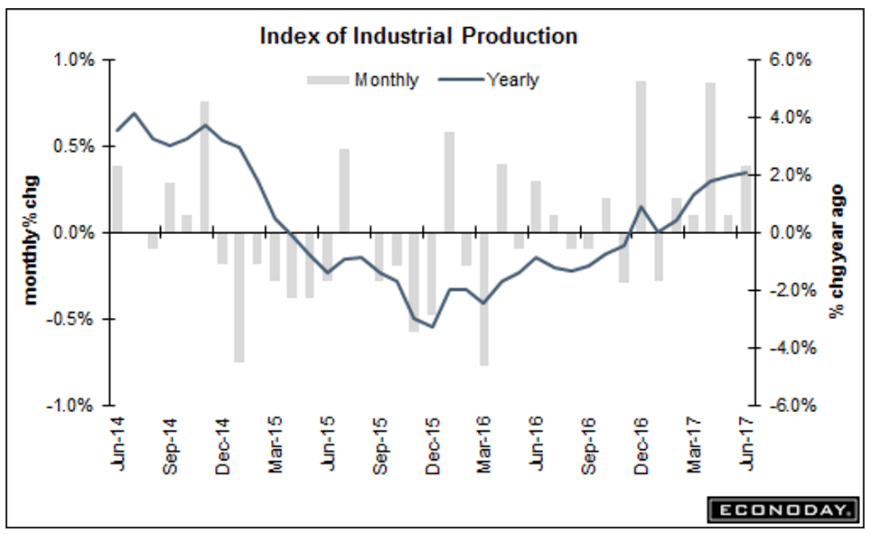
Annual growth chugging along at a modest 2%, leveling off after the setback from the oil capex collapse, as per the chart:
Highlights

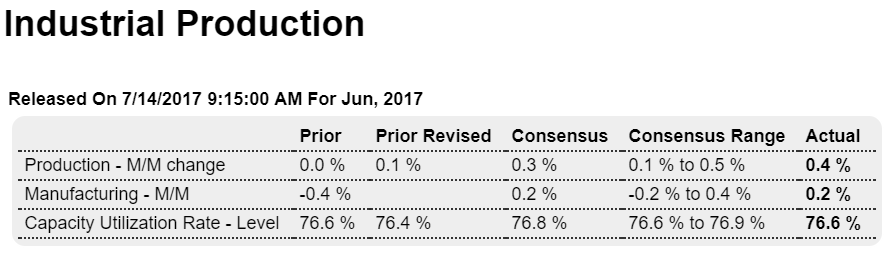
Mining is once again the highlight of an otherwise soft industrial production report. Gaining 1.6 percent for a third straight sharp increase, mining pulled industrial production up 0.4 percent in June as utilities posted no change and manufacturing managed an as-expected 0.2 percent gain.

Manufacturing makes up the vast bulk of the industrial sector and a breakdown does show strength with vehicles up 0.7 percent and selected hi-tech up 0.8 percent. But both consumer goods and business equipment came in flat with construction supplies down slightly.

The gain for manufacturing follows May’s 0.4 percent decline with a 1.0 percent surge in April nearly offset by March’s 0.8 percent plunge. The factory sector is moving forward, just not very fast. Today’s report is the first definitive factory data for June; watch next week for the first tentative data on May with Empire State on Monday and Philly Fed on Thursday. Note that traditional non-NAICS numbers for industrial production may differ marginally from NAICS basis figures.
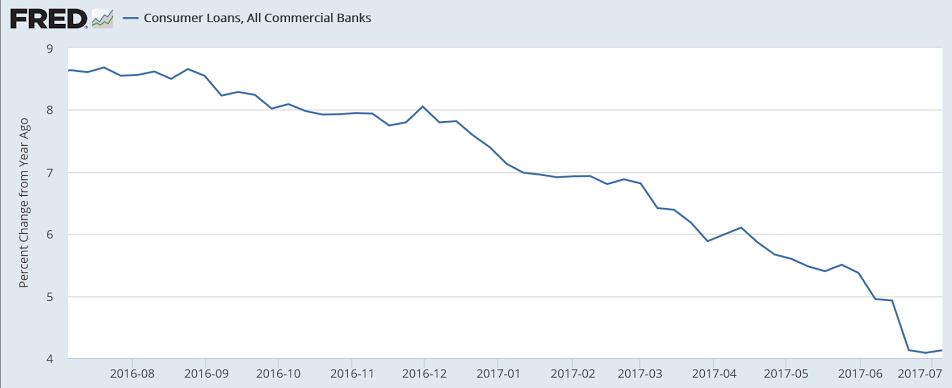
Trumped up expectations have now all but reversed, also in line with the deceleration of consumer lending:
Highlights

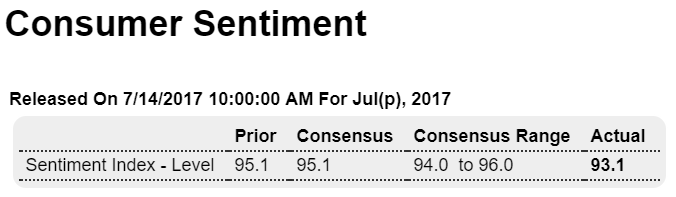
Economic expectations are falling while current conditions remain high, a combination that the consumer sentiment report warns points to economic slowing ahead. The consumer sentiment index fell a sharp 2 points in the preliminary results for July to a much lower-than-expected 93.1.

The expectations component is down nearly 4 points to 80.2 for its lowest reading since before the election, in October last year. Republican expectations have been falling sharply from steep highs, down to 108.9 for a more than 7 point decline from June. Democrat expectations are actually improving slightly but remain very low at 63.2.

Current conditions rose slightly in the month to 113.2 which is a positive indication for this month’s consumer activity. But it’s future activity that may be in trouble. Inflation expectations edged higher in the month but remain very low at 2.7 percent for the 1-year outlook and 2.6 percent for the 5-year.

The drop in this index together with the drop in this morning’s retail sales report are new and imposing negatives for the consumer outlook.

Consequence of falling sales:
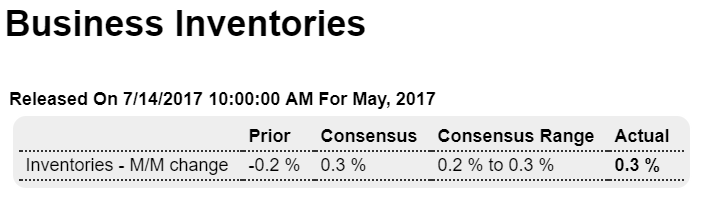
No growth of consequence from last year:

From HotelNewsNow.com: STR: US hotel results for week ending 8 July

The U.S. hotel industry reported mixed year-over-year results in the three key performance metrics during the week of 2-8 July 2017, according to data from STR.

In comparison with the week of 3-9 July 2016, the industry recorded the following:

• Occupancy: -3.0% to 65.3%
• Average daily rate (ADR): +1.1% to US$122.73
• Revenue per available room (RevPAR): -2.0% to US$80.11
Read more at http://www.calculatedriskblog.com/#biuKy43OQFvtIM6K.99

Rail Week Ending 08 July 2017: Slowing Continues

Week 27 of 2017 shows same week total rail traffic (from same week one year ago) improved according to the Association of American Railroads (AAR) traffic data. The economically intuitive sectors slowing continues.

Receipts lower than expected due to income slowdowns:

United States Government Budget

The US government posted a USD 90 billion budget deficit in June 2017, larger than market expectations of a USD 35 billion gap and compared with a USD 6 billion surplus in the same month of the previous year. Outlays jumped 33 percent to USD 429 billion while receipts increased at a much slower 3 percent to USD 339 billion.

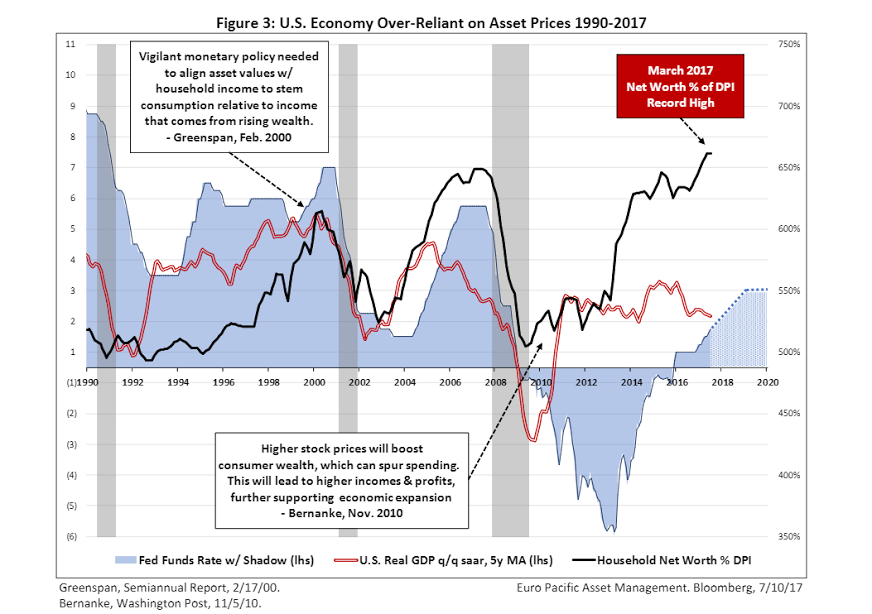
Asset prices as a % of real disposable income:
Question: You were joking about solar, right?

Trump: No, not joking, no. There is a chance that we can do a solar wall. We have major companies looking at that. Look, there’s no better place for solar than the Mexico border — the southern border. And there is a very good chance we can do a solar wall, which would actually look good. But there is a very good chance we could do a solar wall.
One of the things with the wall is you need transparency. You have to be able to see through it. In other words, if you can’t see through that wall — so it could be a steel wall with openings, but you have to have openings because you have to see what’s on the other side of the wall.

And I’ll give you an example. As horrible as it sounds, when they throw the large sacks of drugs over, and if you have people on the other side of the wall, you don’t see them — they hit you on the head with 60 pounds of stuff? It’s over. As cray as that sounds, you need transparency through that wall. But we have some incredible designs.