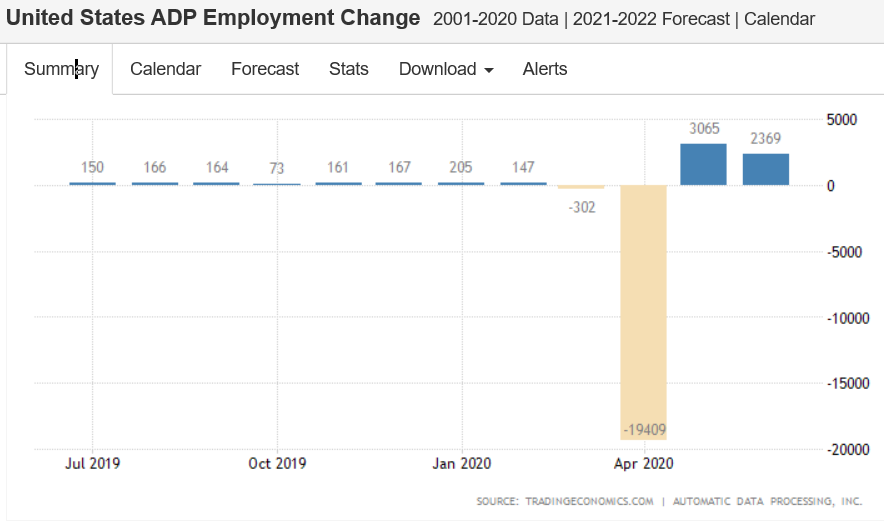
A relatively few new private sector jobs after the massive loss:
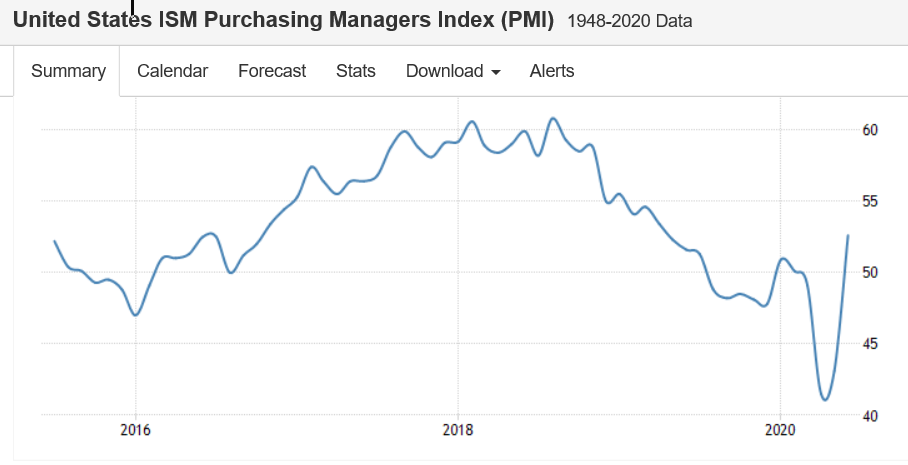
A little bit of growth from massively depressed levels:
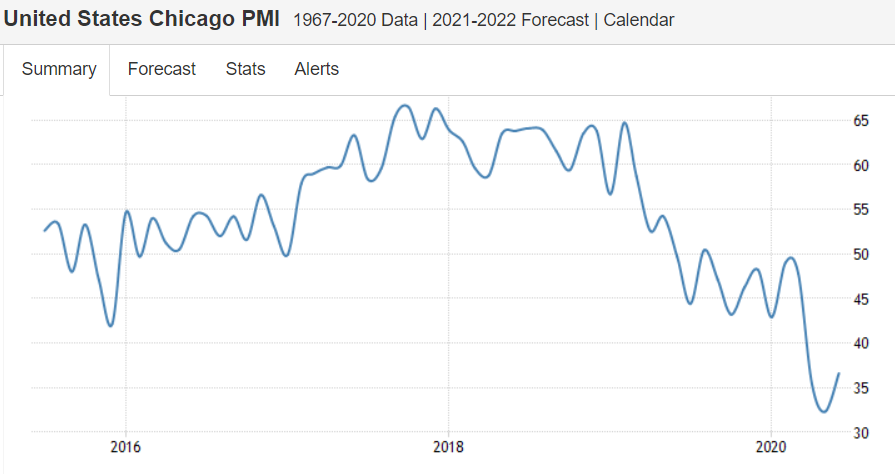
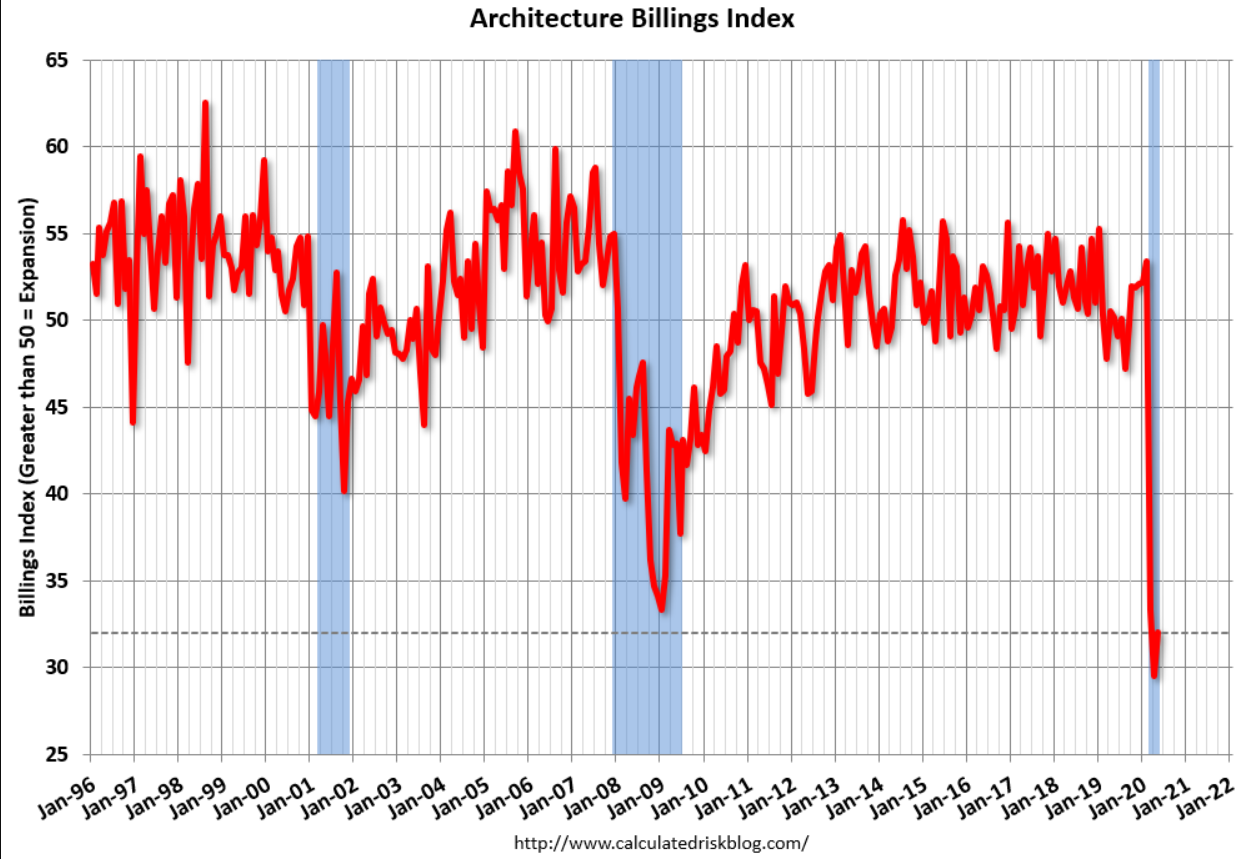
Still in contraction:

A relatively few new private sector jobs after the massive loss:
A little bit of growth from massively depressed levels:
Still in contraction:
Same story:
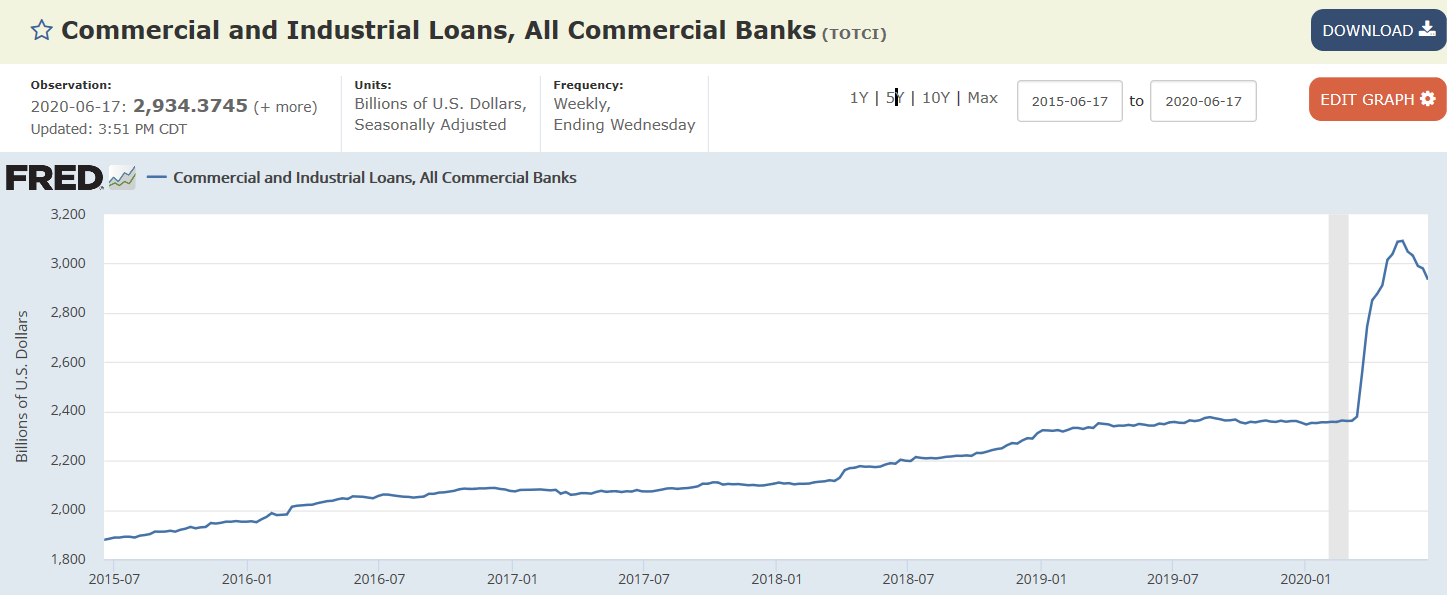
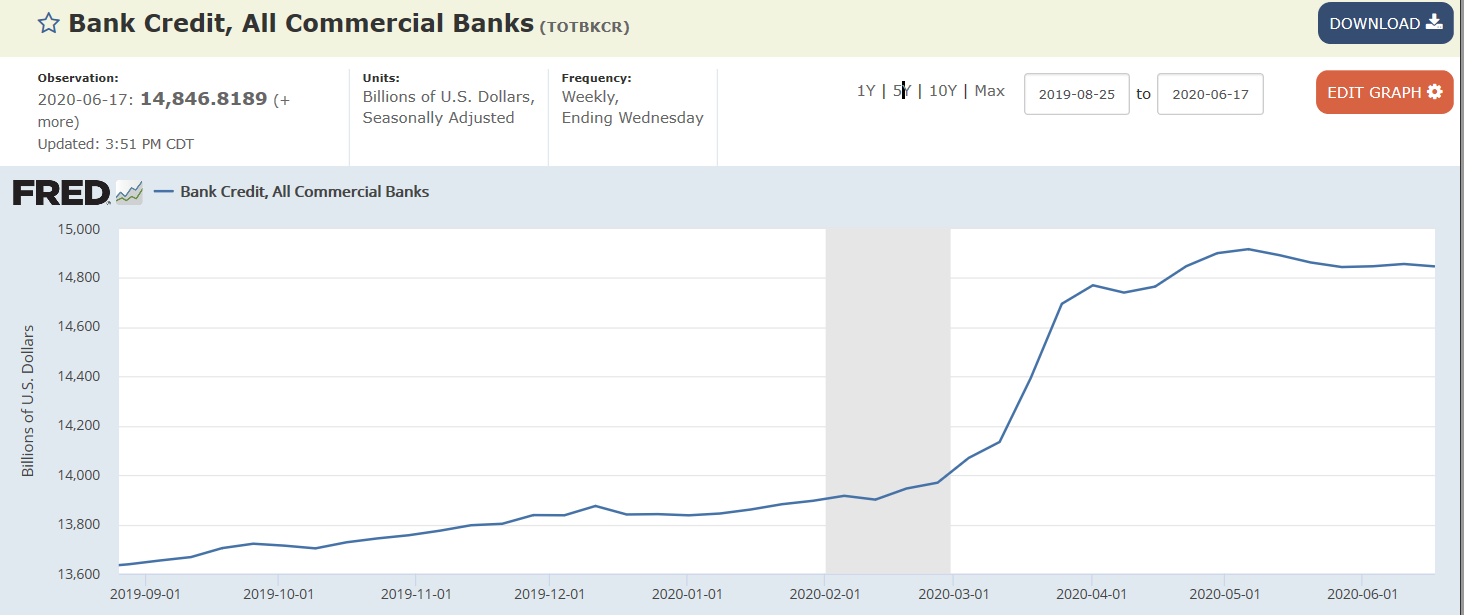
Heading steadily lower. This is the source of a large component of the money supply. It’s always growing in normal times:
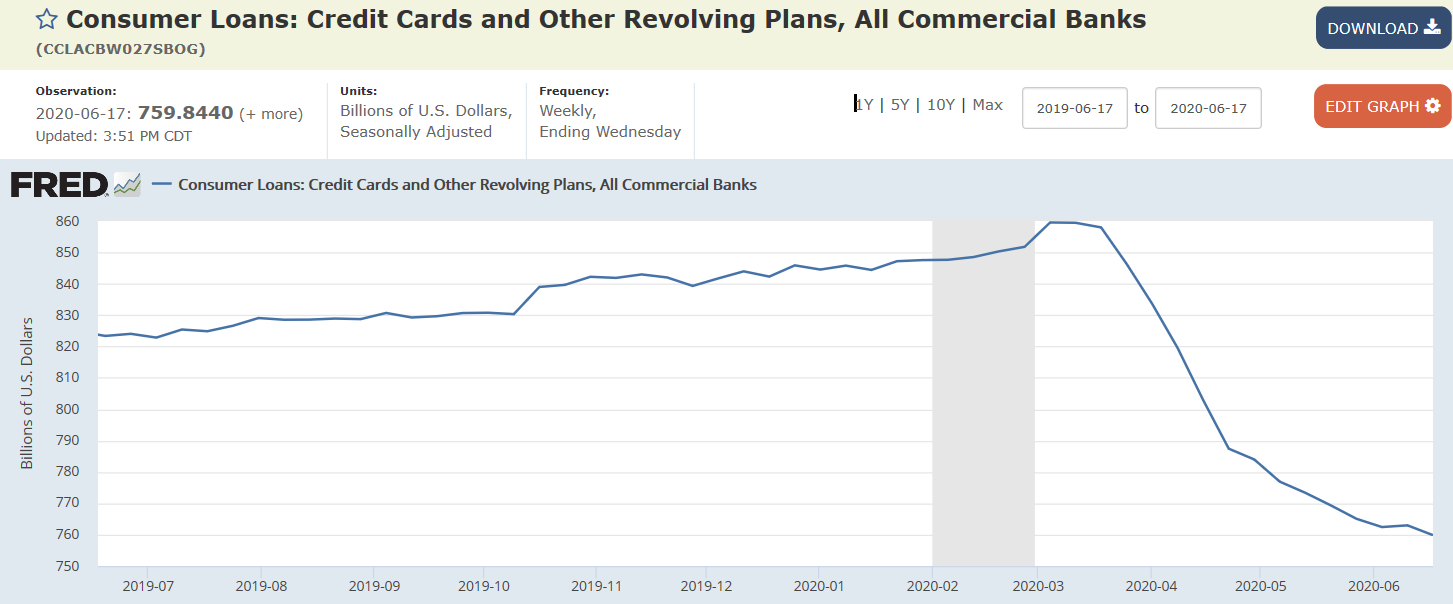
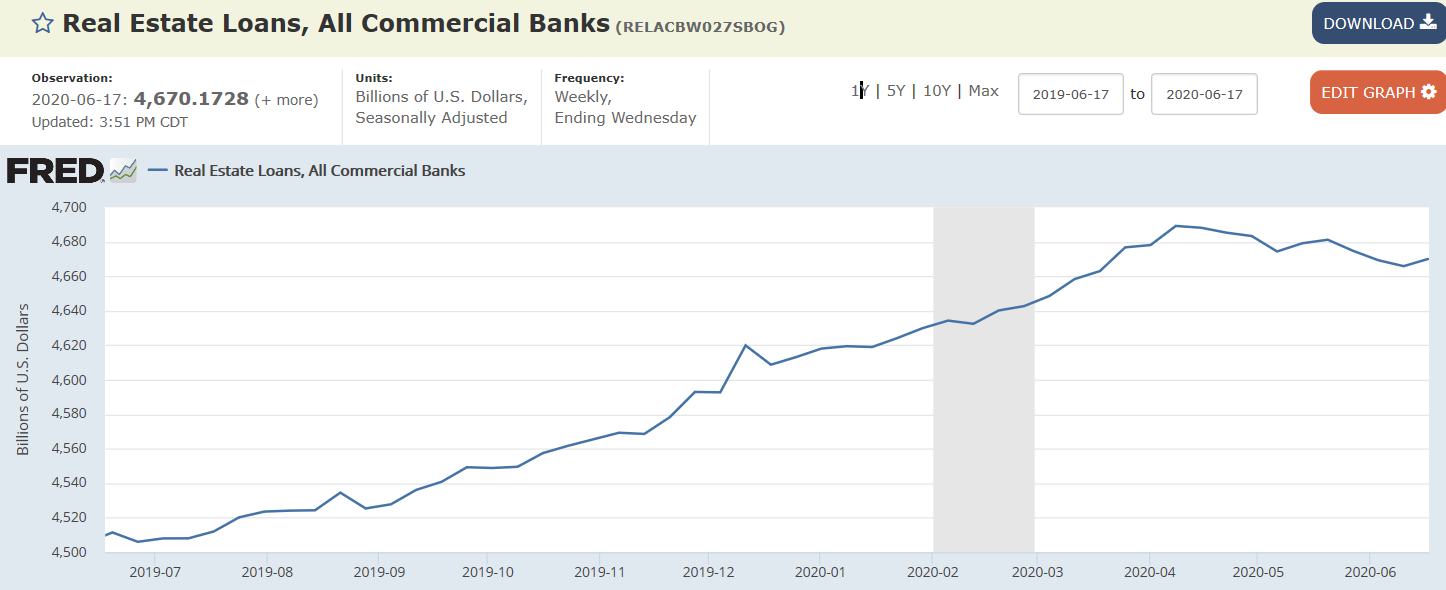
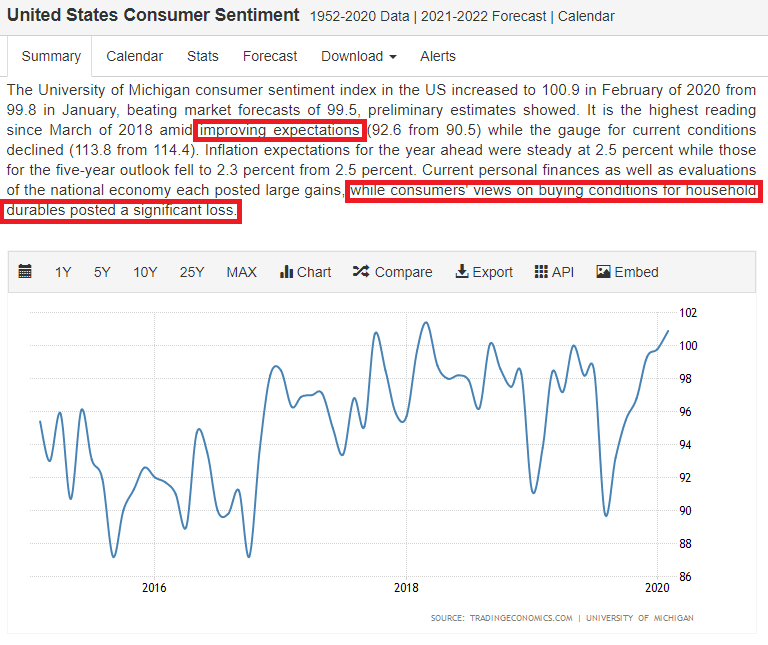
Both fell hard and still falling from the lower levels:
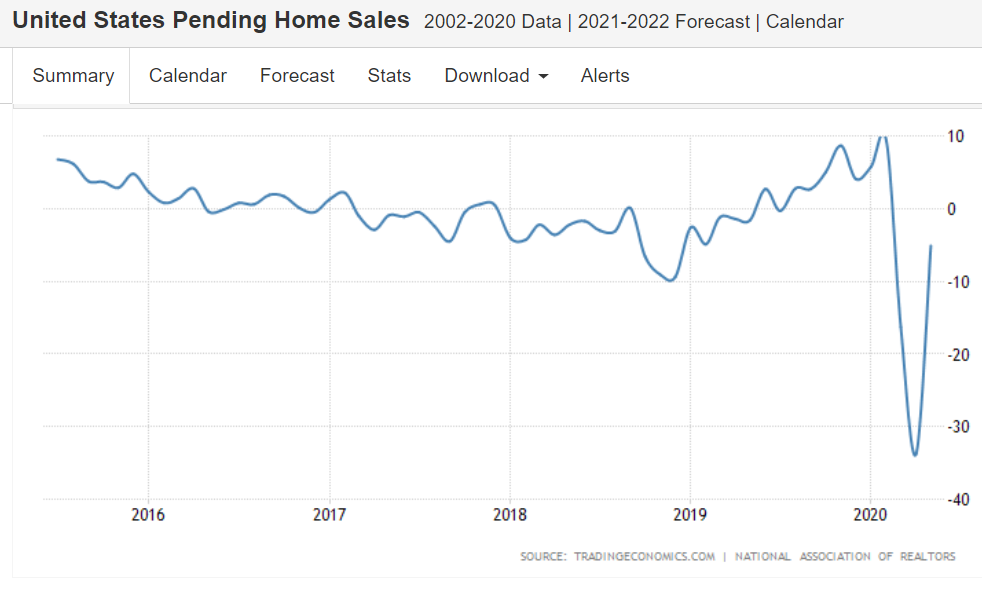
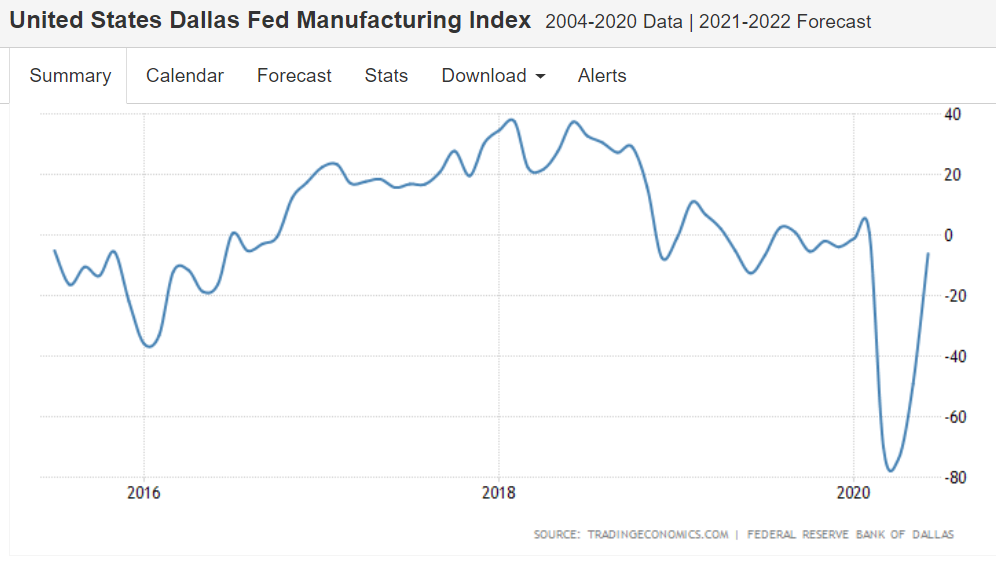
Still increasing at an alarming rate:
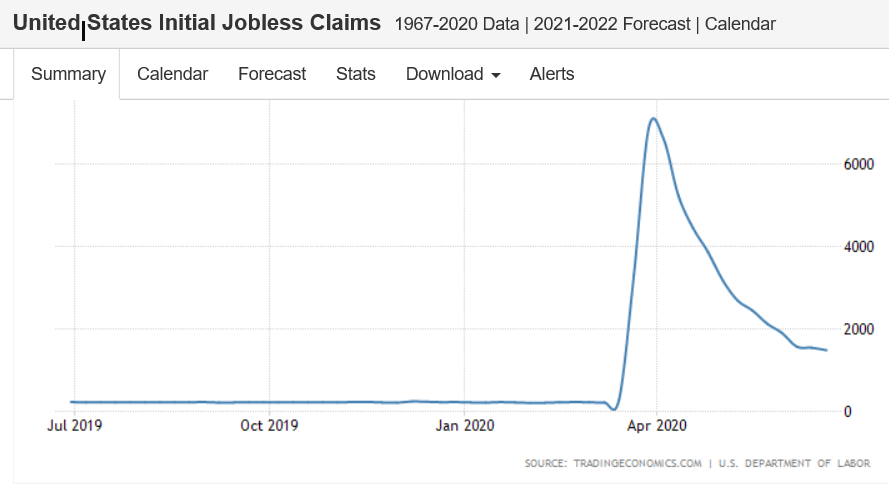
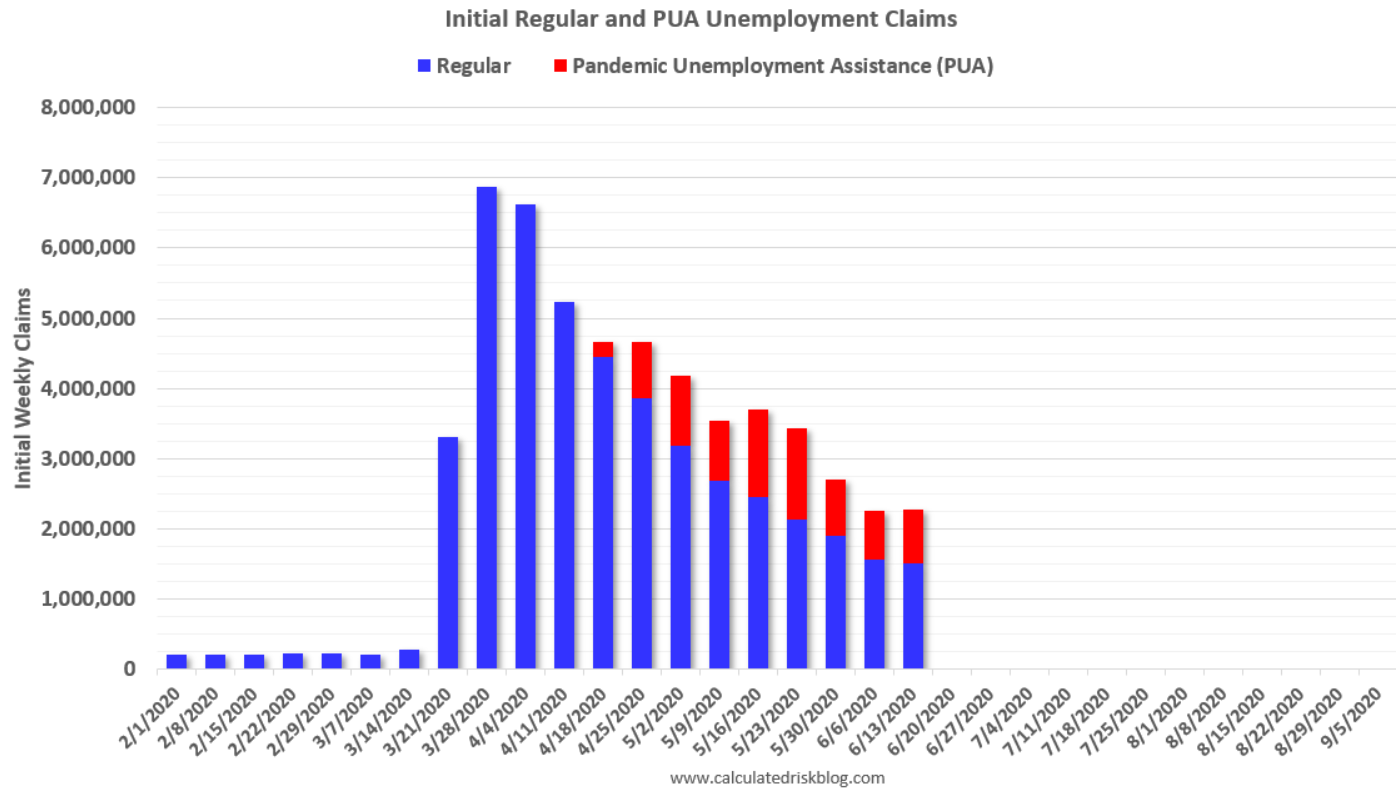
The number of Americans filing for unemployment benefits eased to 1.480 million in the week ended June 20th, well above market expectations of 1.300 million, as companies continued to cut jobs more than a month after non-essential businesses resumed operations following closures in mid-March due to the coronavirus pandemic. The latest number was more than double its peak during the 2007-09 Great Recession, lifting the total reported since March 21st to 47.3 million.
This does not include the 728,120 initial claims for Pandemic Unemployment Assistance (PUA).
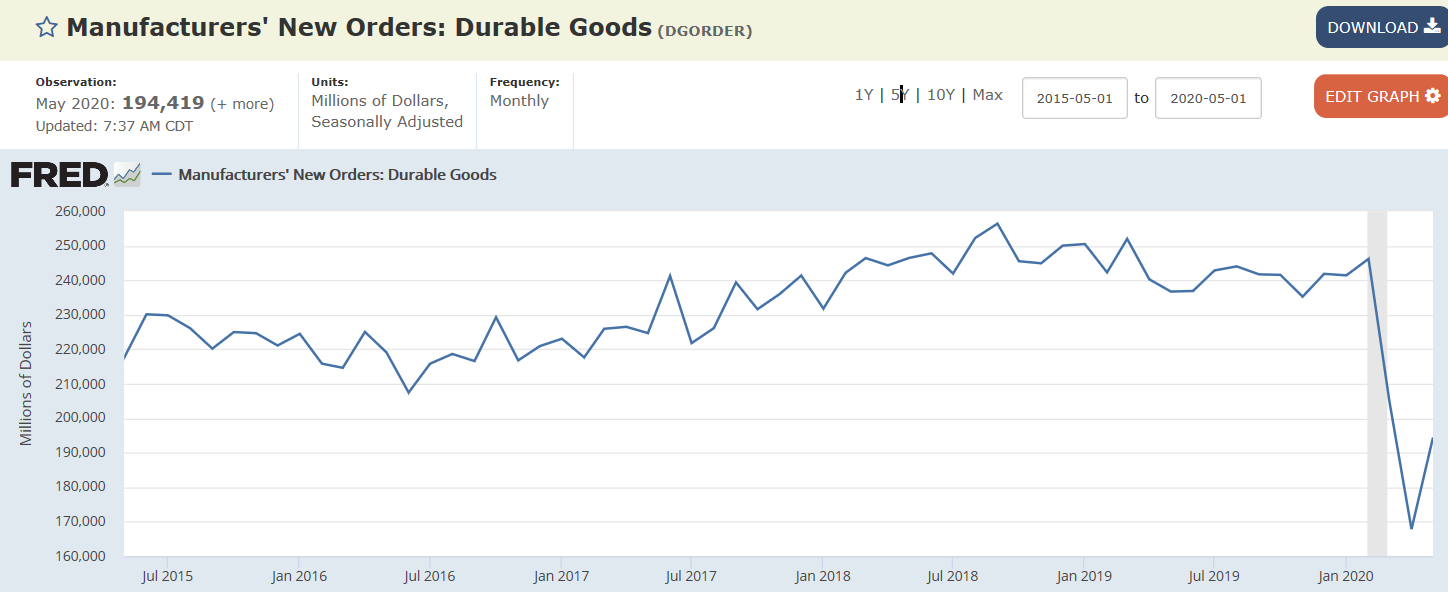
New orders were a bit higher in May from April’s depressed level, but still down over 20% vs February. And note that they had been on the decline from the tariffs well before covid:
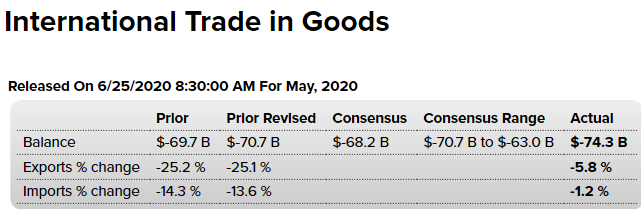
Exports down a lot more than imports as global demand continues to slow:
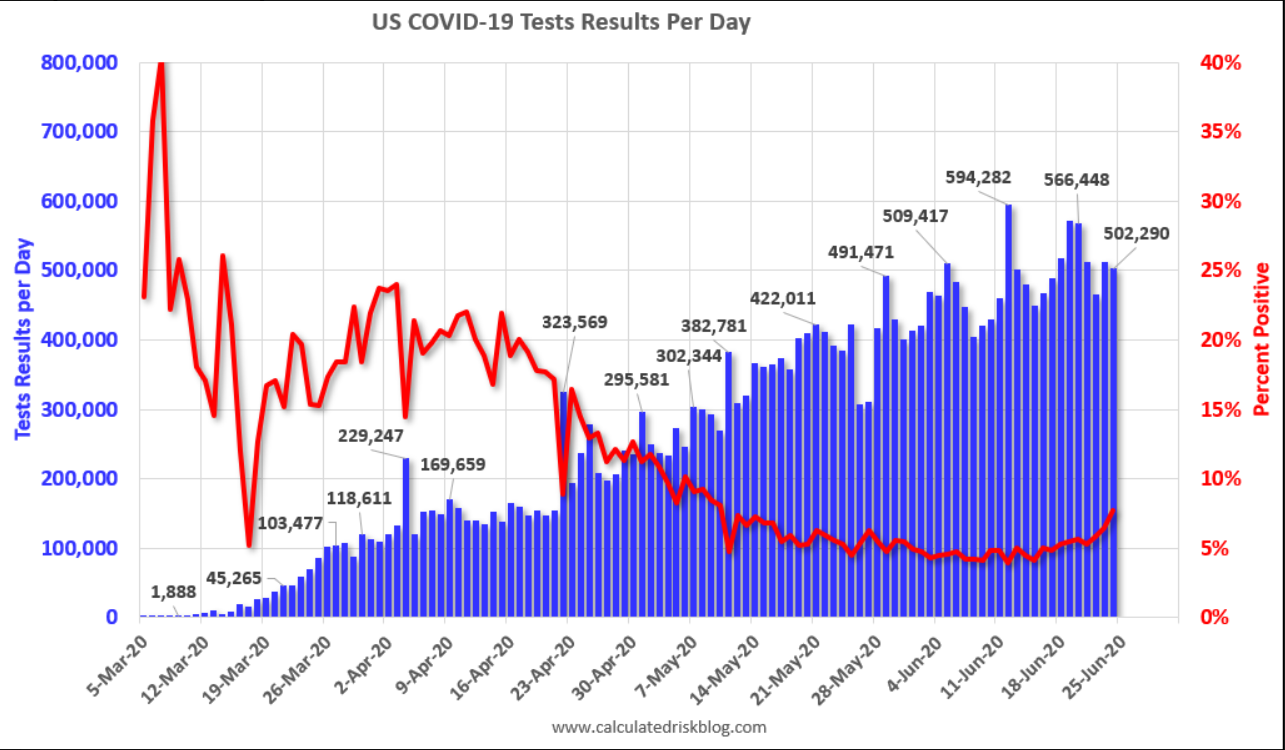
The President says he wasn’t kidding about slowing down testing and the data seems to confirm that as infections accelerate:
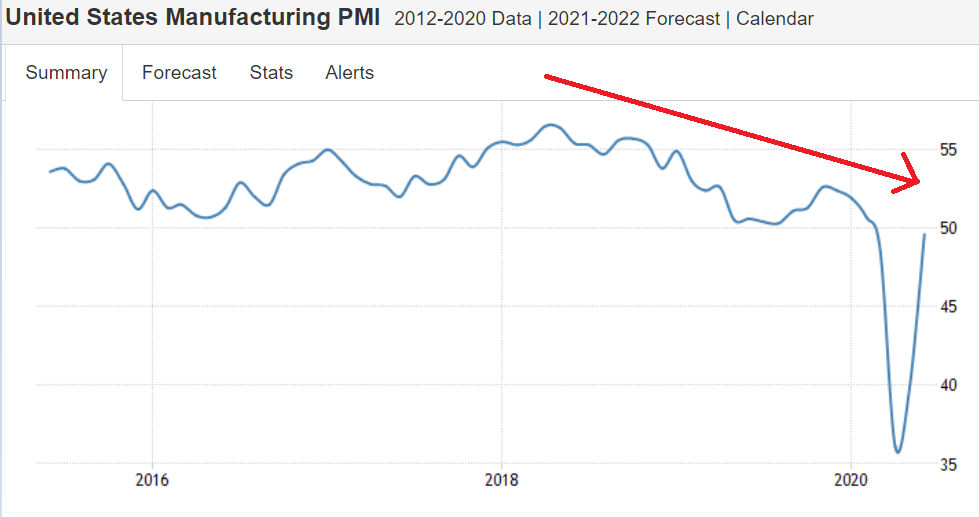
Note that it had already been decelerating from the tariffs before the virus hit. And it’s still been in contraction after 3 months:
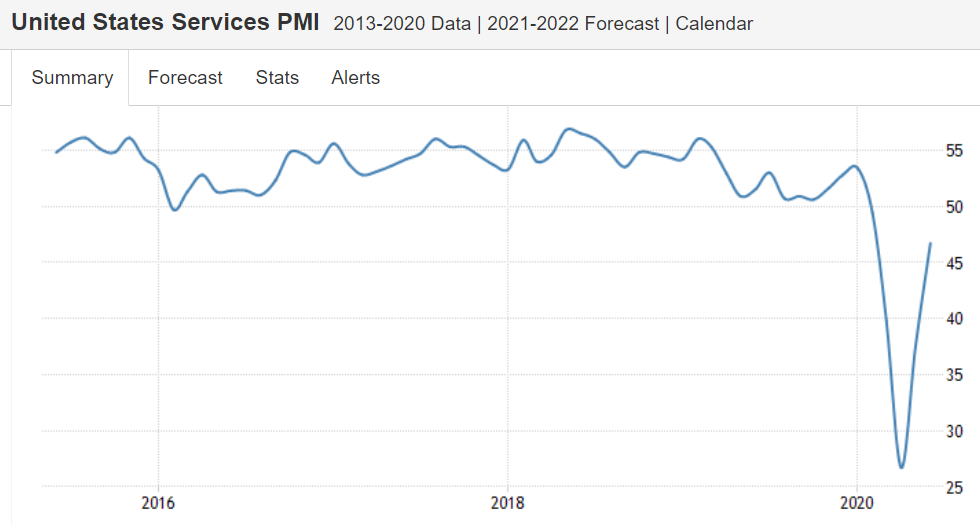
Services are contracting a bit faster than manufacturing:
Still way down even with lower rates:
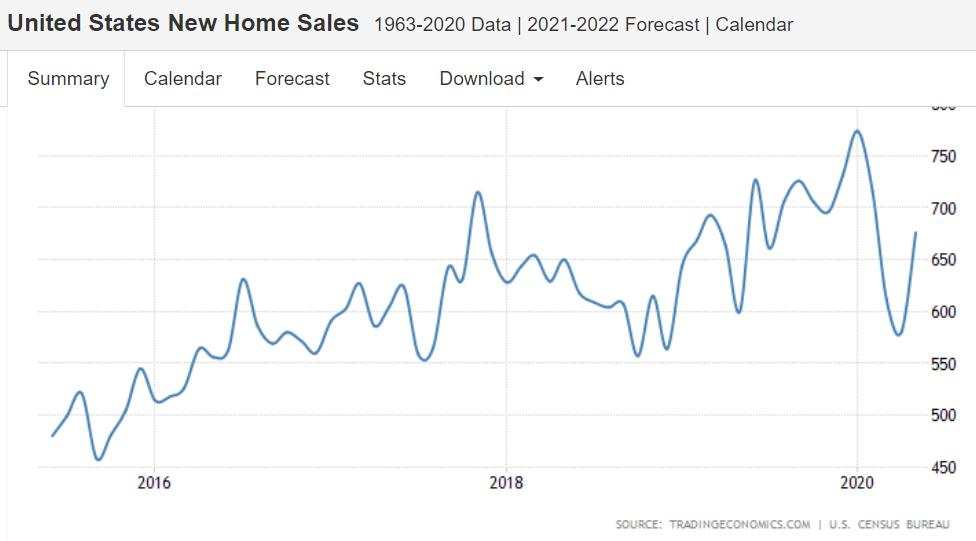
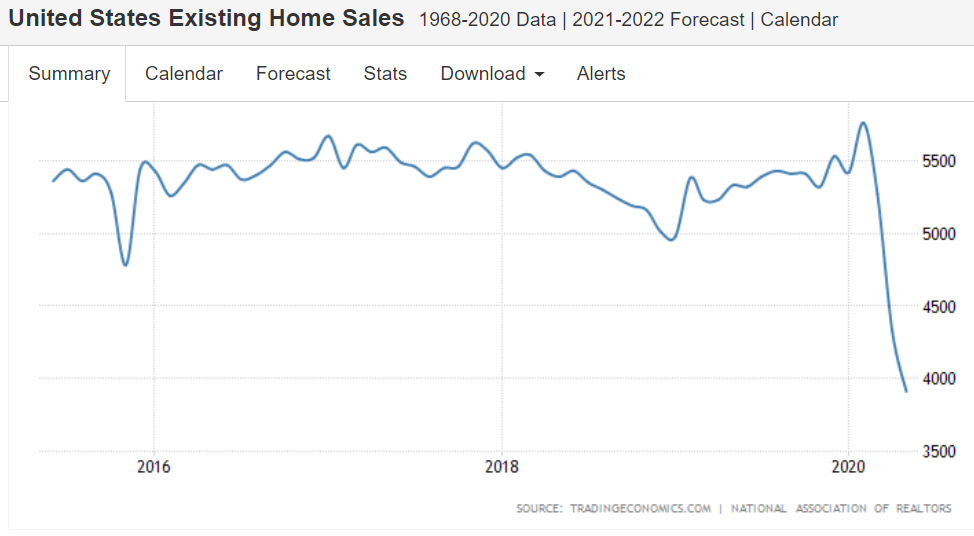
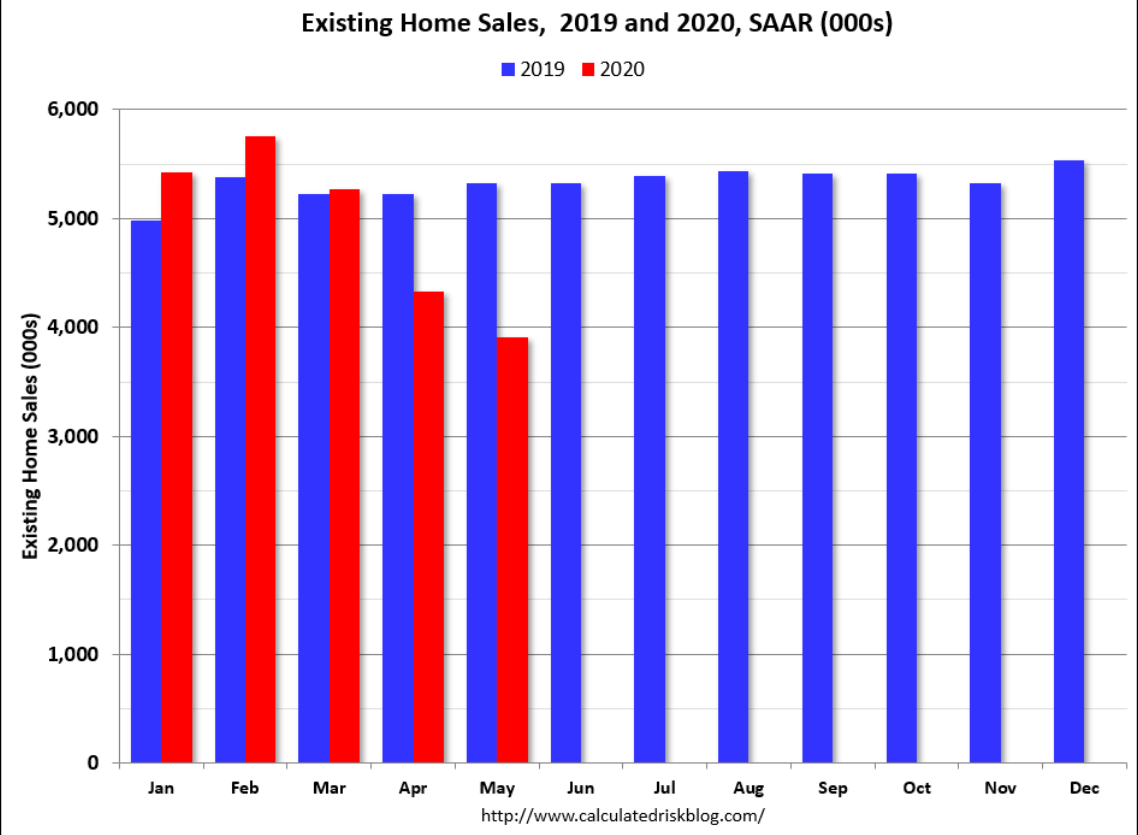
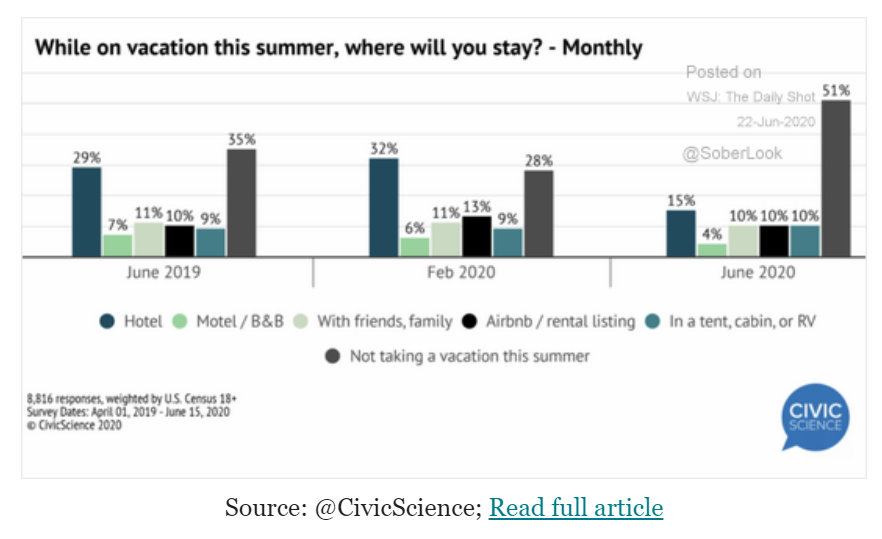
33% is about a 2 trillion drop in income/sales for q2. The fiscal adjustments may be a bit shy of that. More revisions next week:
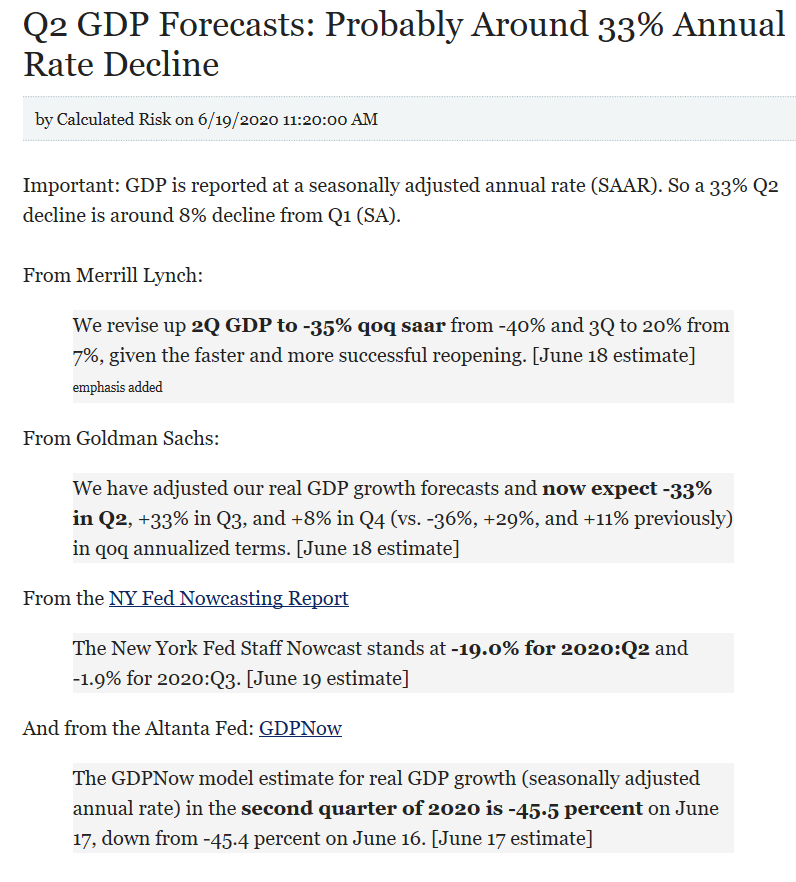
Peaked and decelerating hard:
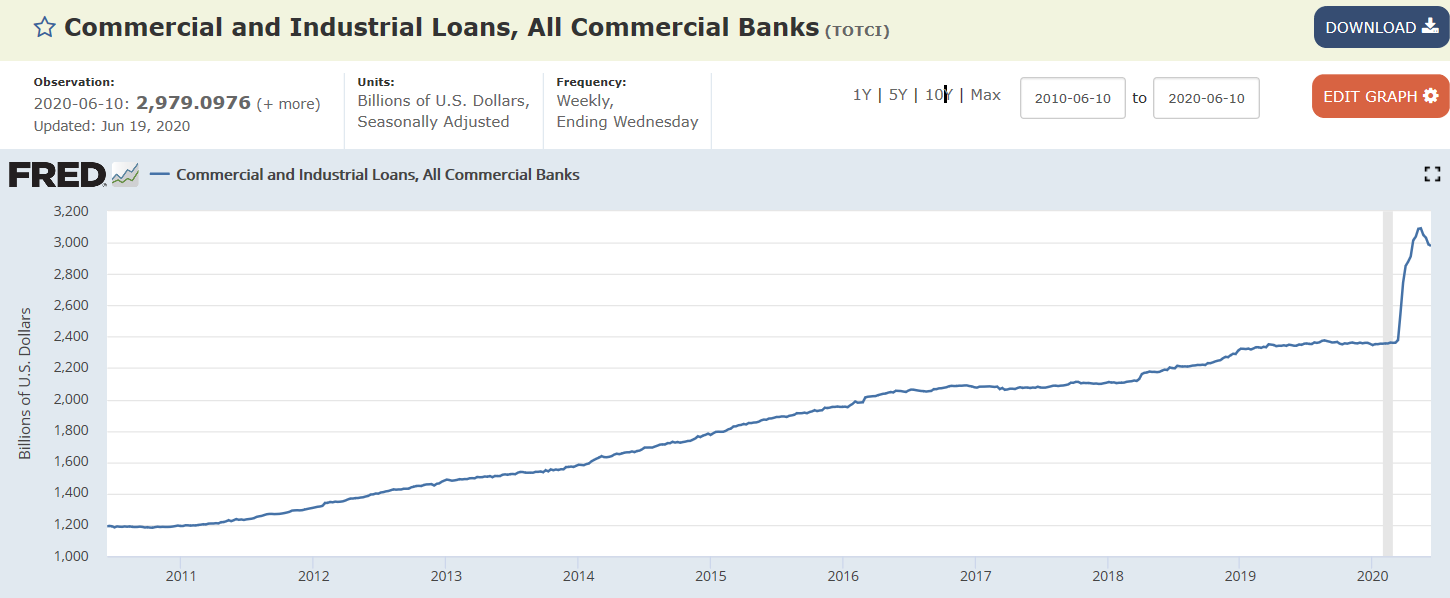
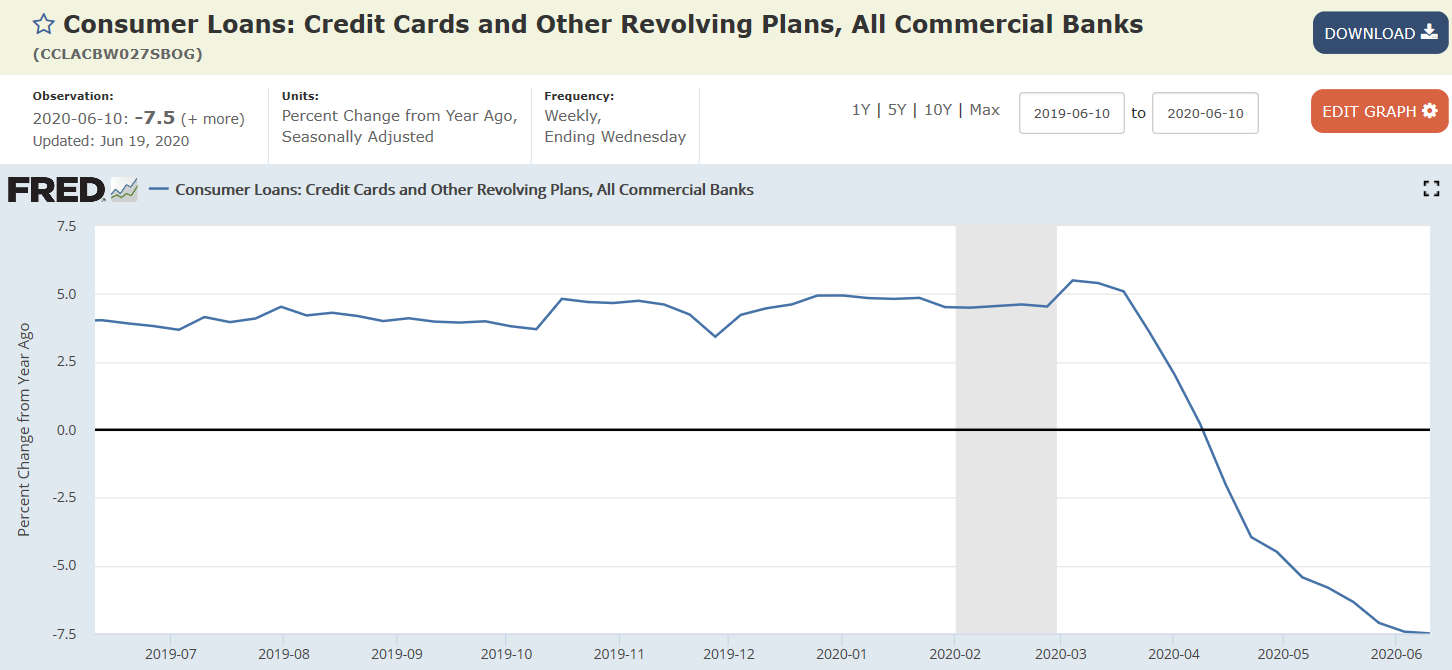
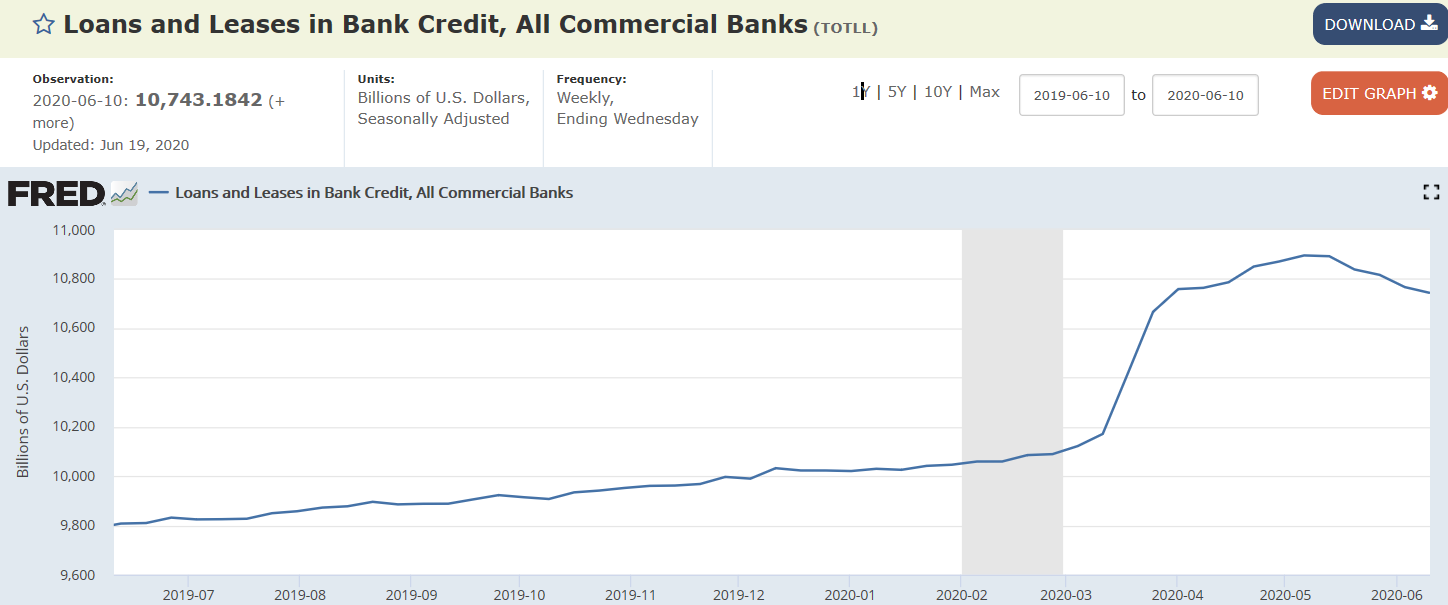
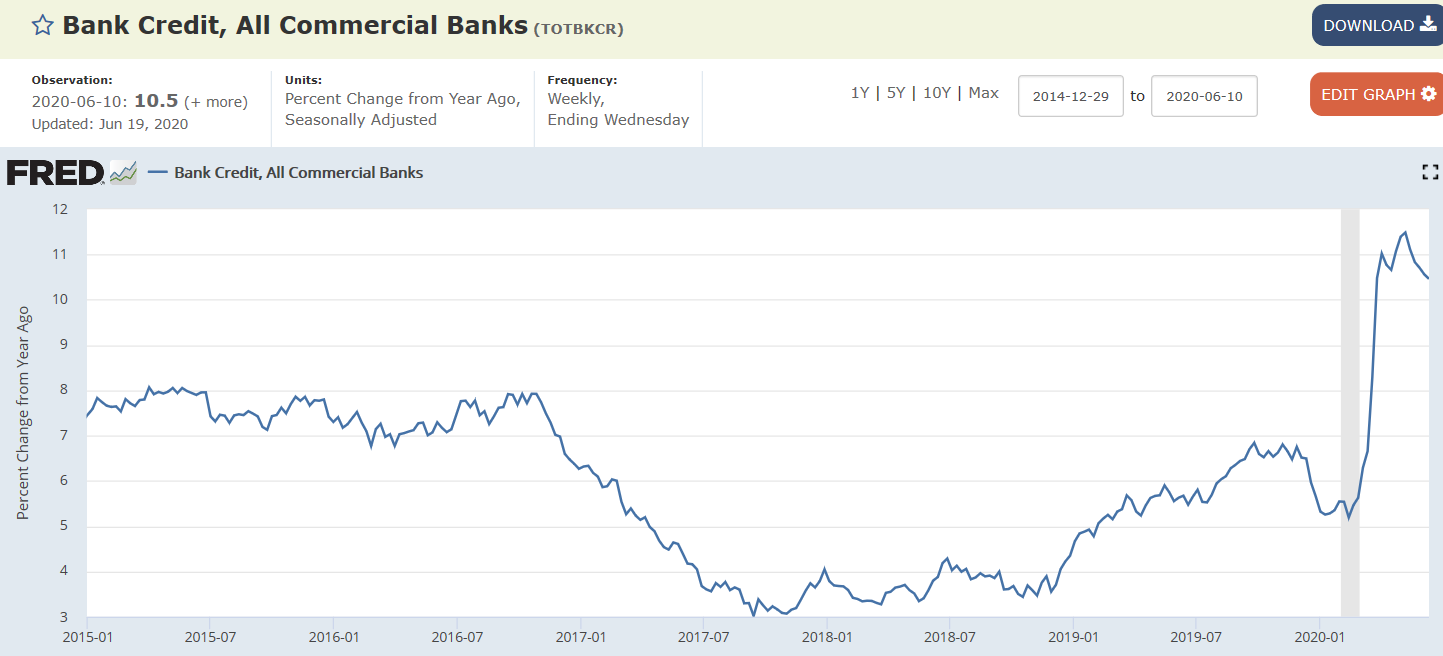
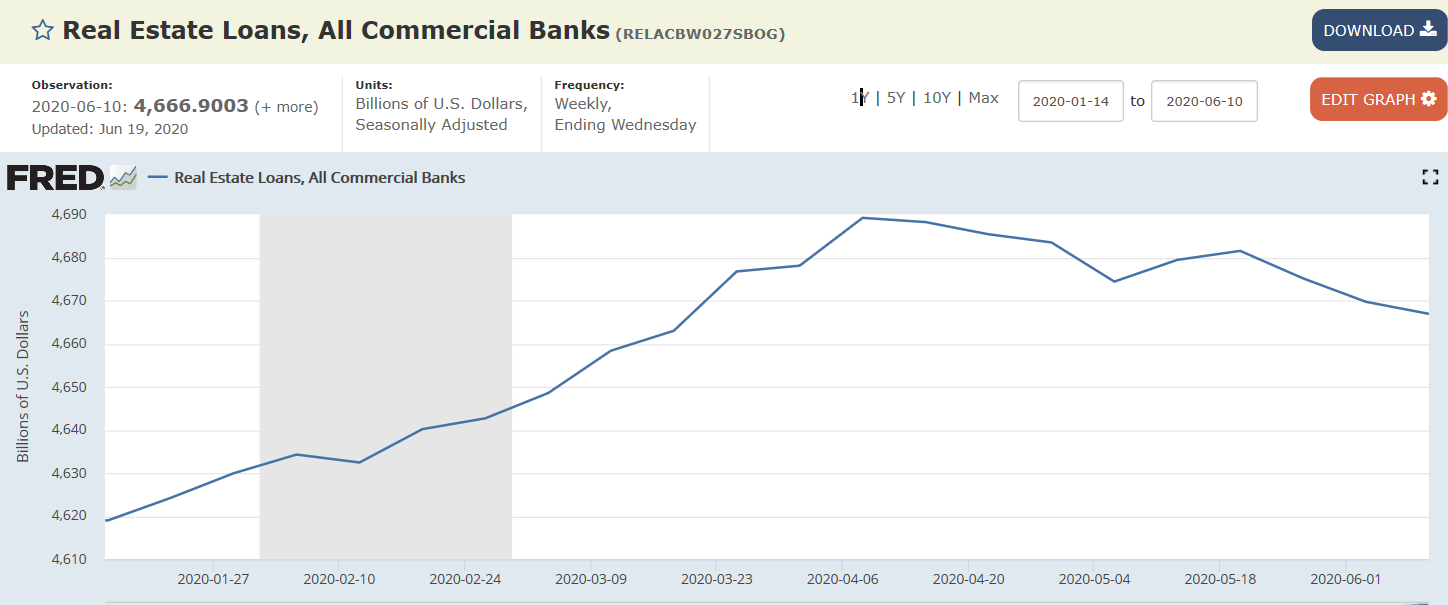
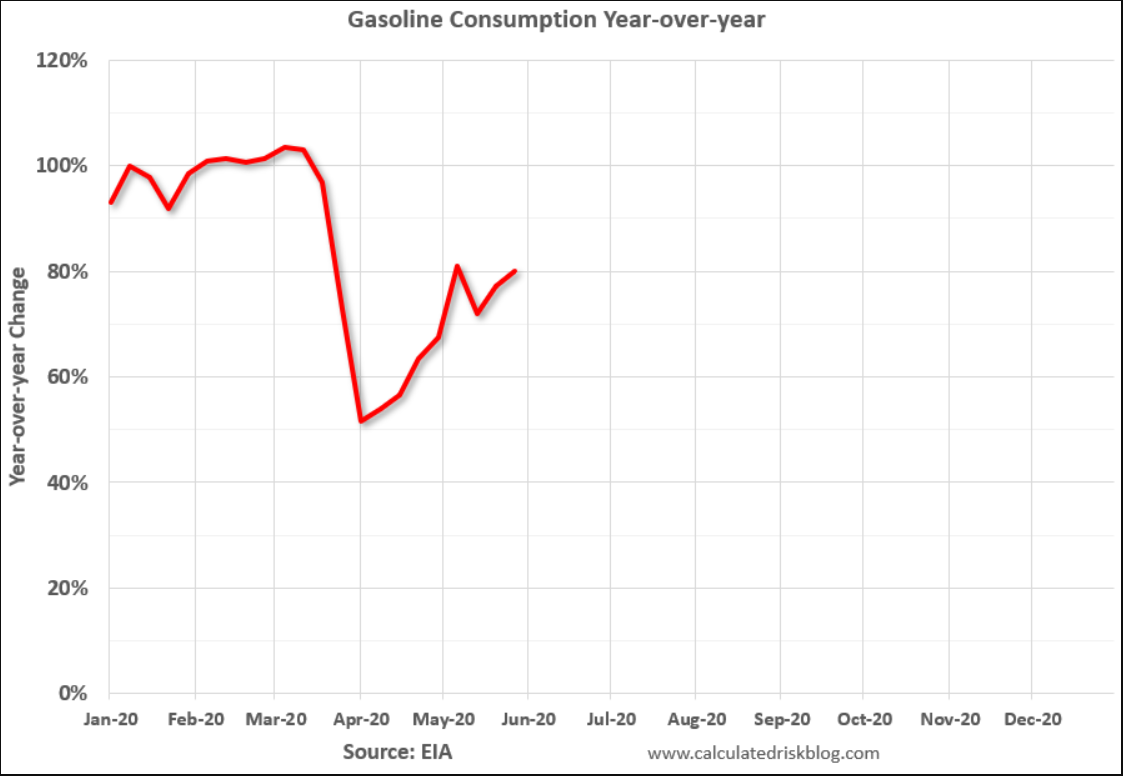
Big drop from historically depressed levels:
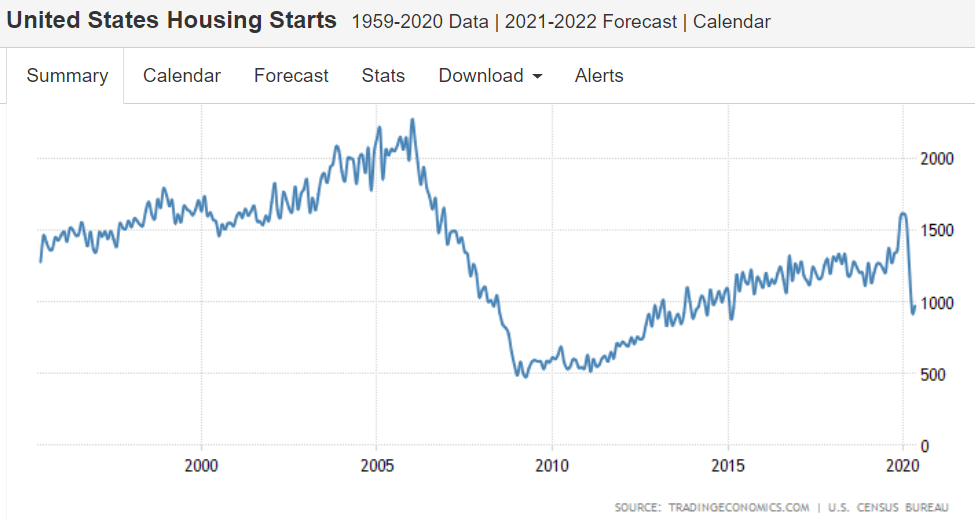
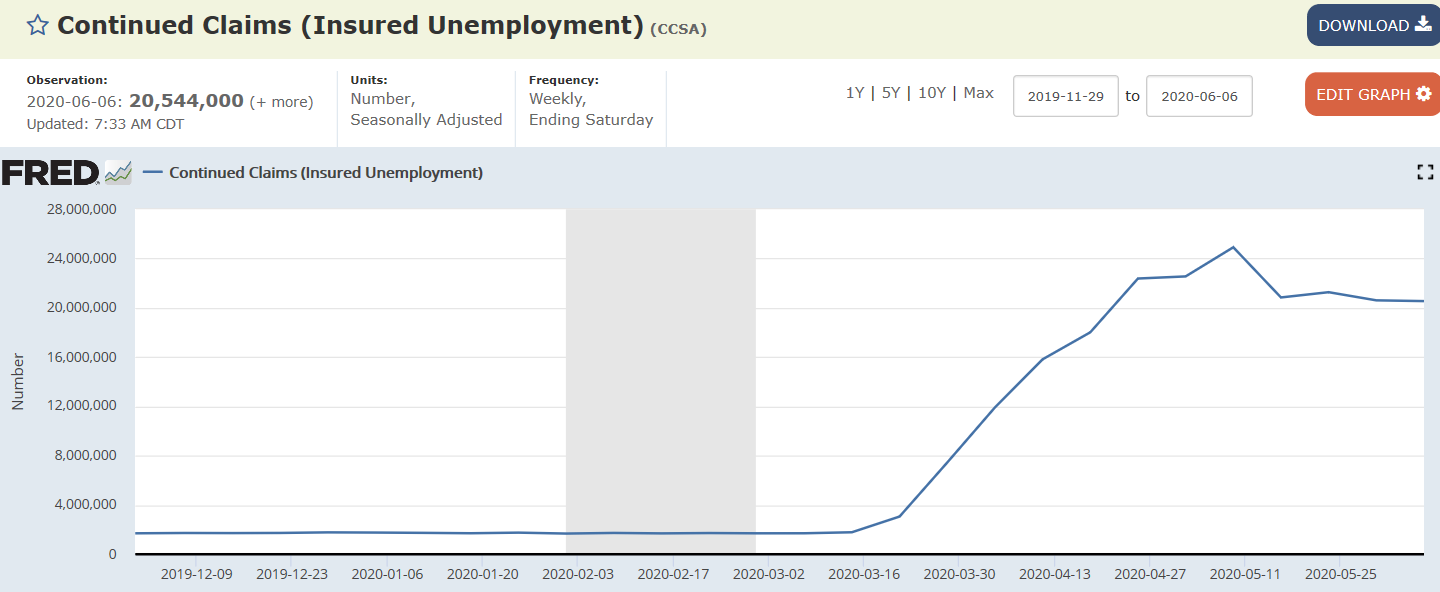
Still alarmingly high:
Leveling off at very high levels:
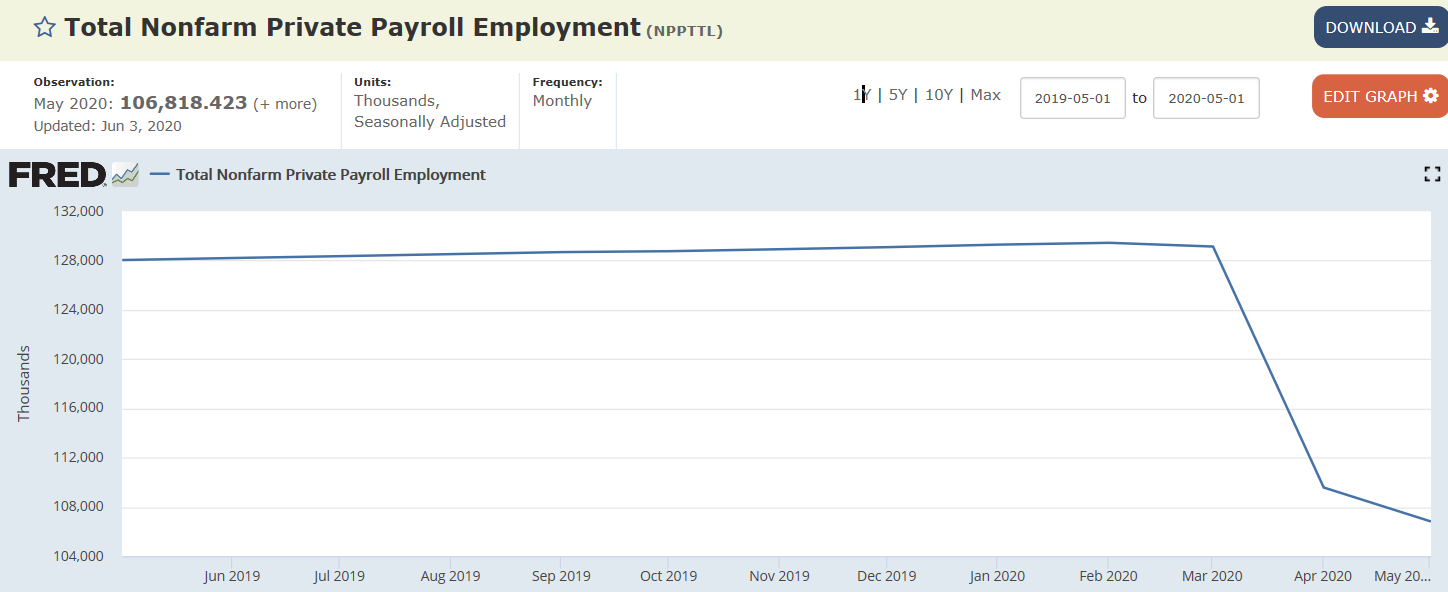
Private payrolls are reported down by about 23.5 million employees:
“While there are numerous theories as to why economists were so far off, one explanation was widely discussed on Friday. The jobless claims data and the ADP private payrolls report did not pick up what analysts call “hidden hiring.” Firms put their employees on “government payroll” for a couple of months with full intentions of bringing them back.”
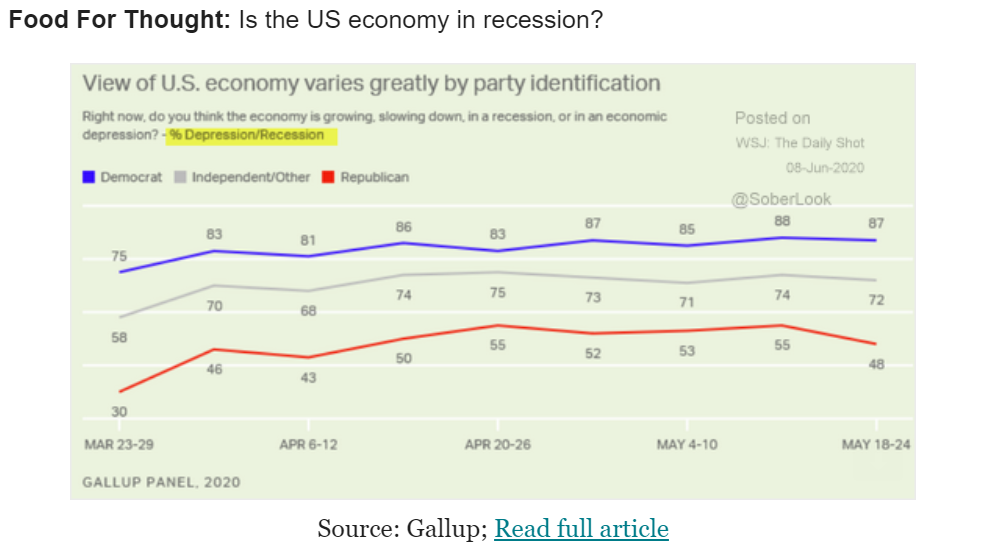
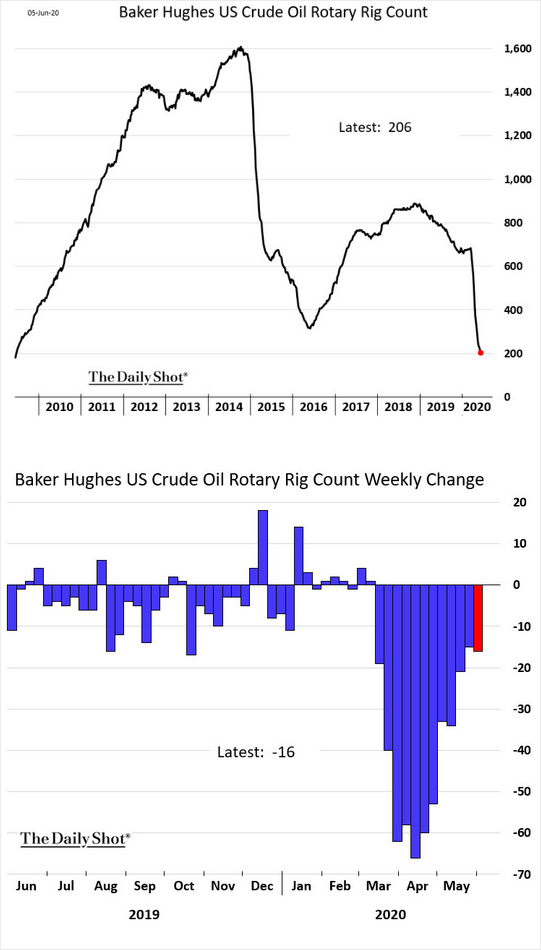
Today’s trade agreement will do nothing to reverse the tariff induced deceleration well underway in the economy:
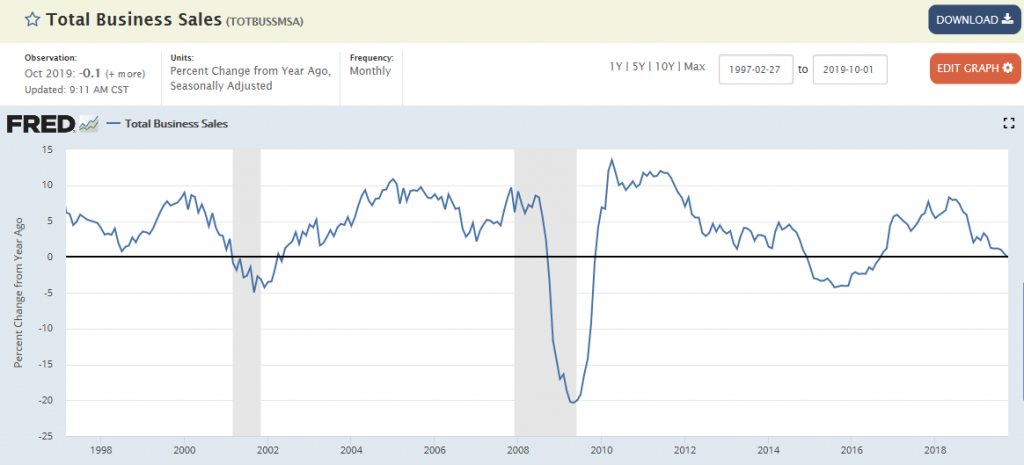
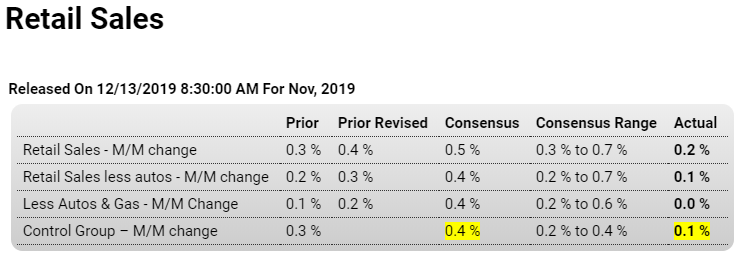
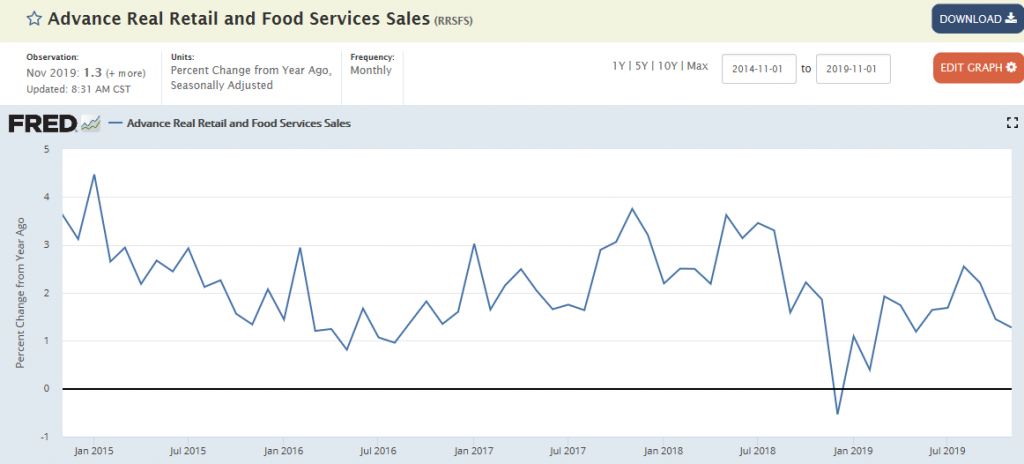
This is through Q3:
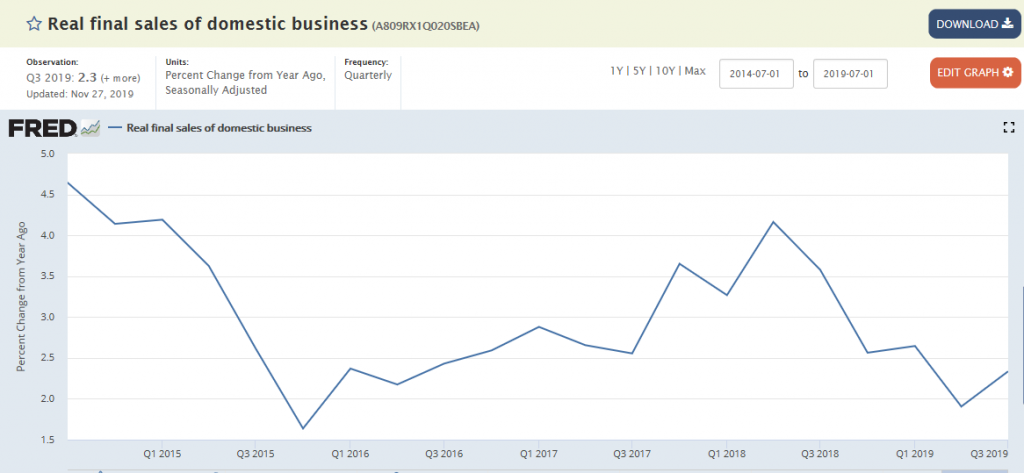
Happy Thanksgiving to all!
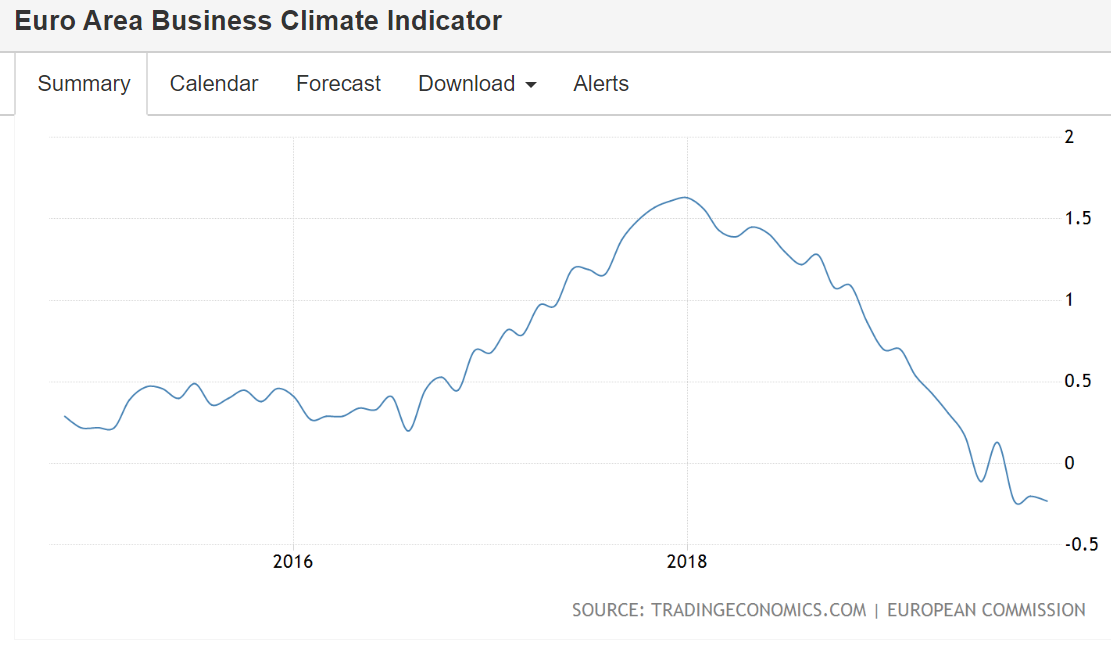
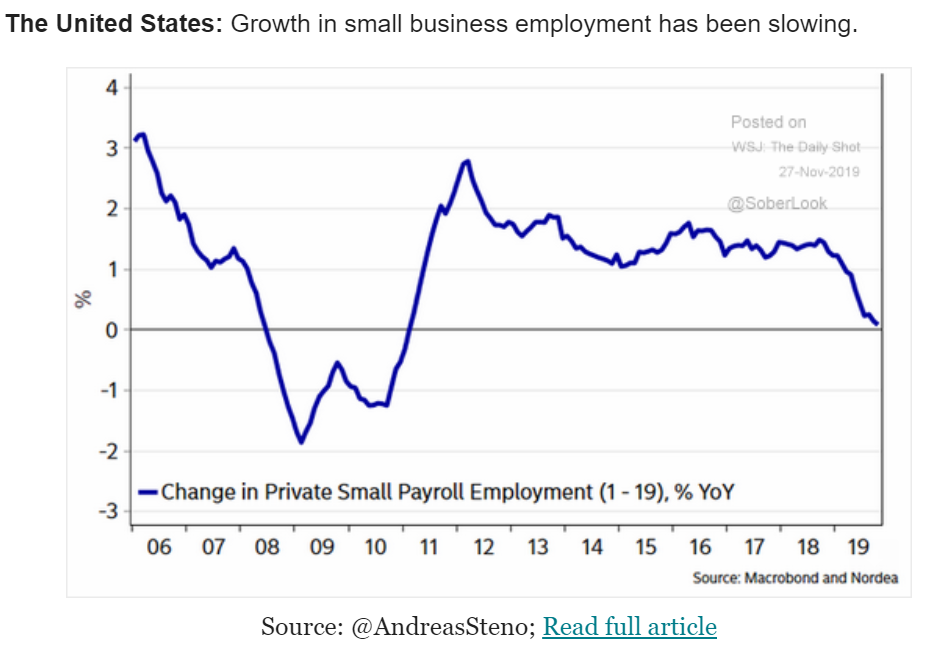
Who would’ve thought?
;)
Australia Q3 Private Investment Falls More than Estimated
Private capital expenditure in Australia dropped by 0.2 percent quarter-on-quarter in the three months to September 2019, following a revised 0.6 percent fall in the previous period and compared with market expectations of a 0.1 percent drop. This was the third straight quarter of decline in private investment, mainly due to a decrease in capital expenditure for equipment, plant and machinery (-3.5 percent vs 2 percent in Q2). On the other hand, spending for building and structure rebounded (2.7 percent vs -3 percent). Through the year to the third quarter, private capital expenditure shrank 1.3 percent.