Employment, Wholesale inventories and sales

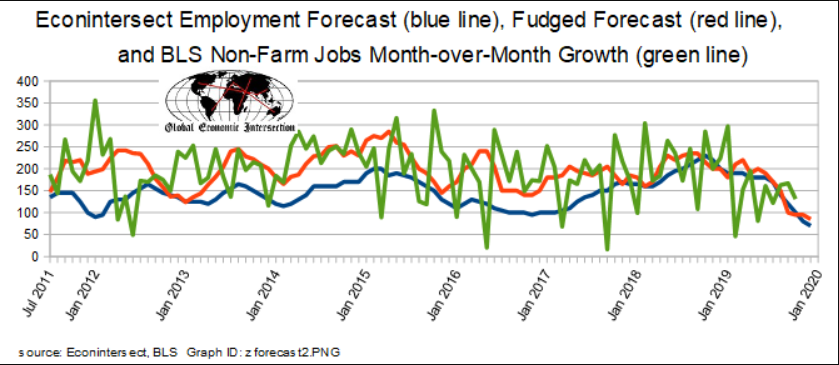
Still in a down draft with additional tariffs scheduled to kick in Dec 15. Decelerating employment growth translates into decelerating personal income growth, etc. etc. etc.
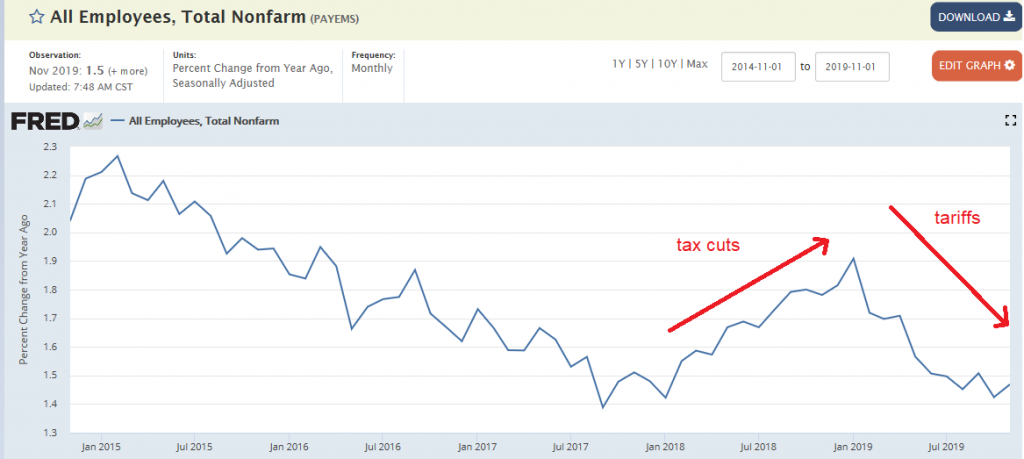
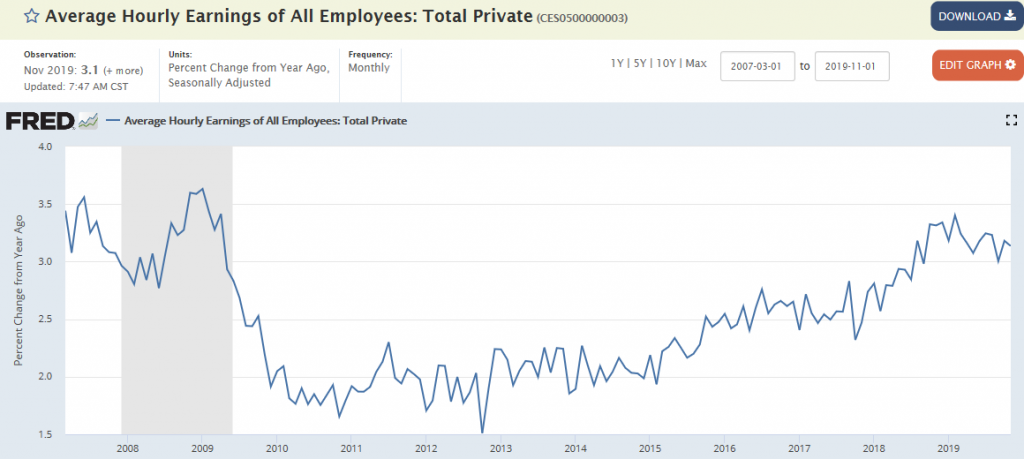
Similar pattern for wages- up some with tax cuts, down with tariffs:
Meanwhile seems the crowd is making a big deal over the larger than expected headline number of data that’s both volatile and subject to large revisions:

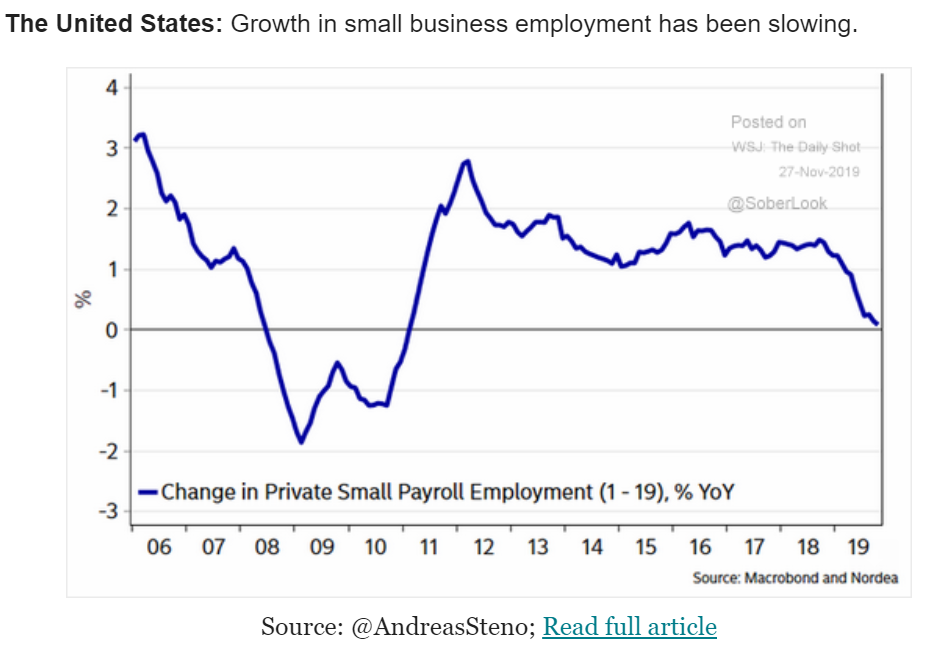
The 266,000 jobs added in November is an important number since it defies expectations, at least for one month, that the labor market is slowing down. The report was way better than the 187,000 jobs expected by economists.

The end of the GM strike helped inflate the number, with 41,300 jobs added in motor vehicles and parts, but the overall gain in payrolls was still about 100,000 better than expected by many economists. Manufacturing gained 54,000 overall.

“The bottom line is the labor market is cooking. It clearly says the Fed should not do anything more. The Fed can now sit back on the shelf, not have to worry about having to be pestered about lower rates,” said Ward McCarthy, chief financial economist at Jefferies.

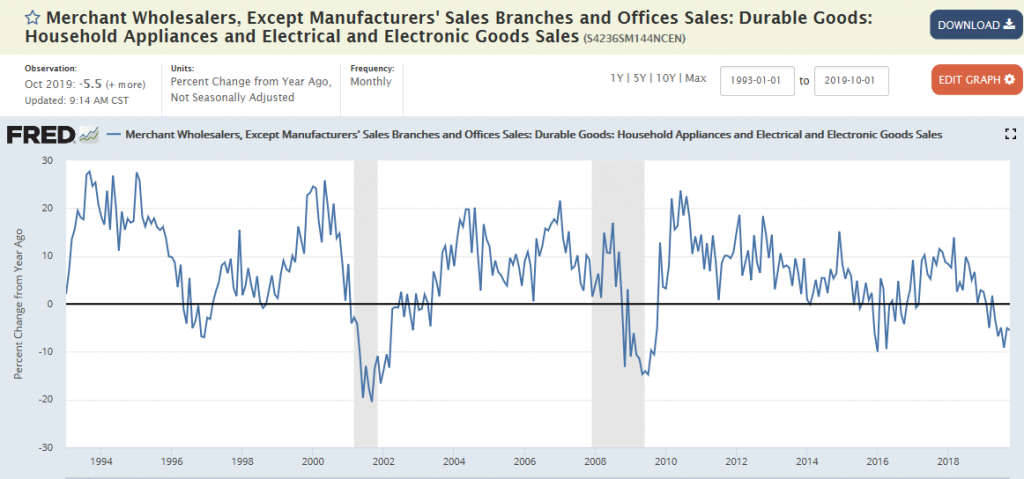
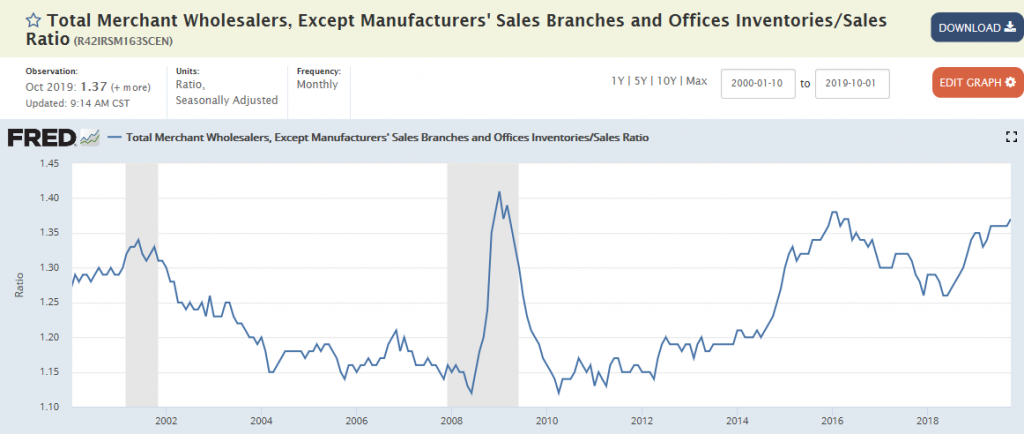
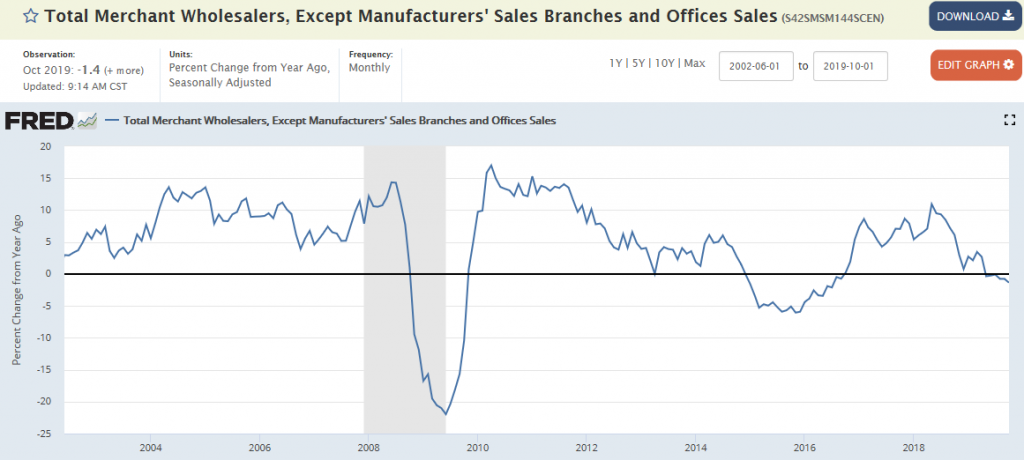
Wholesale inventories are too high and going the wrong direction as sales fail to keep pace and are now in contraction:
This recession could be worse than 08?
;)

Trade, Vehicle sales, Air cargo

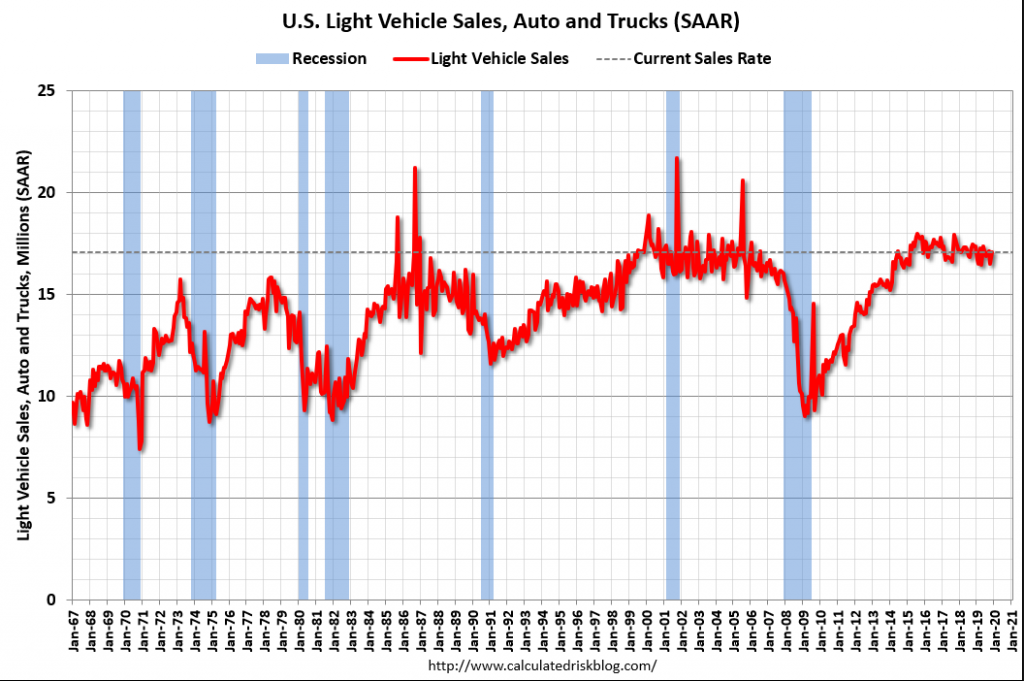
The details show a weakening US consumer:

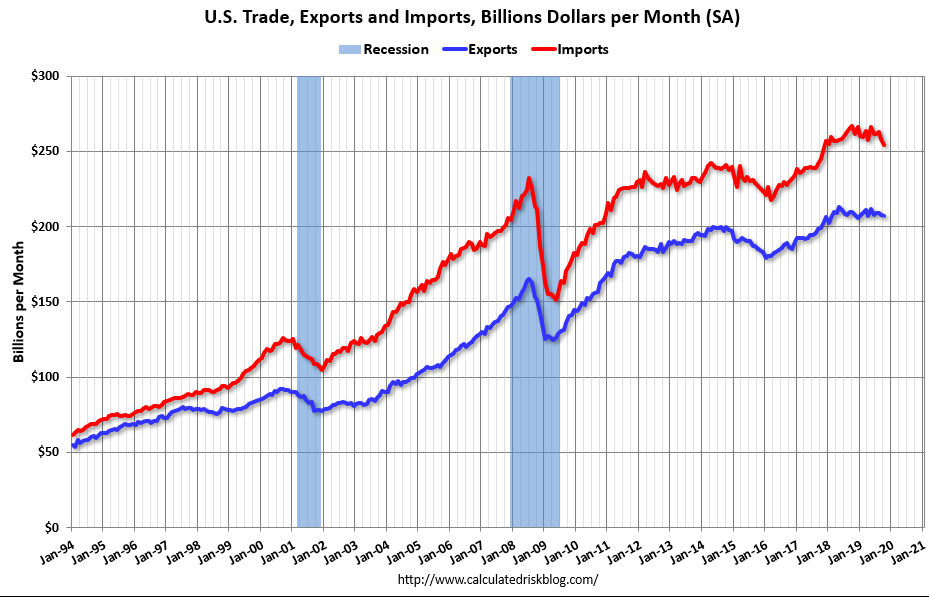
The US trade deficit narrowed to USD 47.2 billion in October of 2019 from a downwardly revised USD 51.1 billion in the previous month, and below market expectations of a USD 48.7 billion. It is the lowest trade gap since May of 2018. Imports slumped 1.7 percent to the lowest value in two years amid falling purchases of pharmaceutical preparations, auto parts, vehicles and cell phones Exports edged down 0.2 percent.

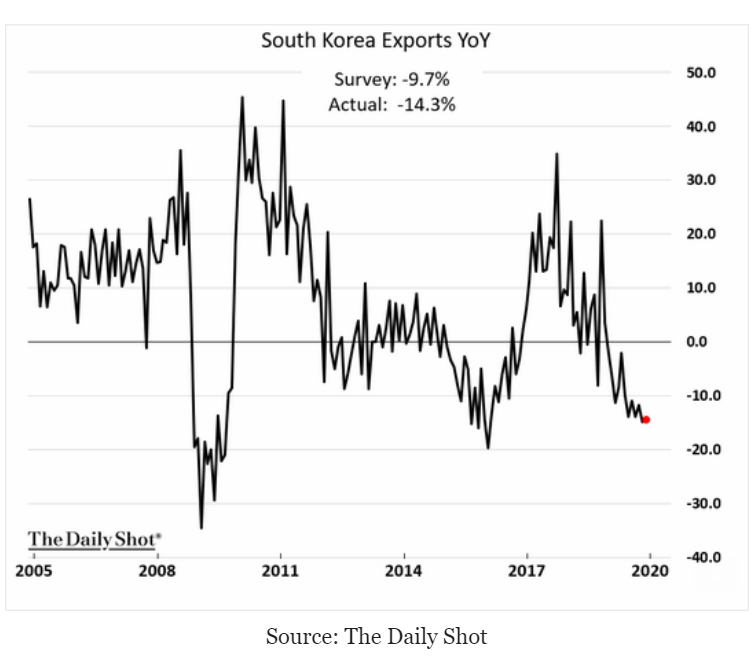
Still working their way lower:

Air cargo industry braces for worst year since financial crisis as holidays fail to perk up demand

ADP, ISM services, Bank lending, Euro area earnings forecasts, ISM NY

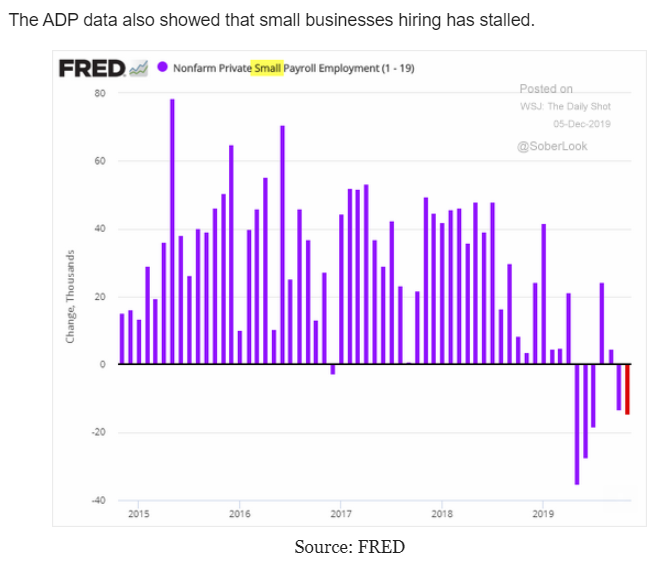
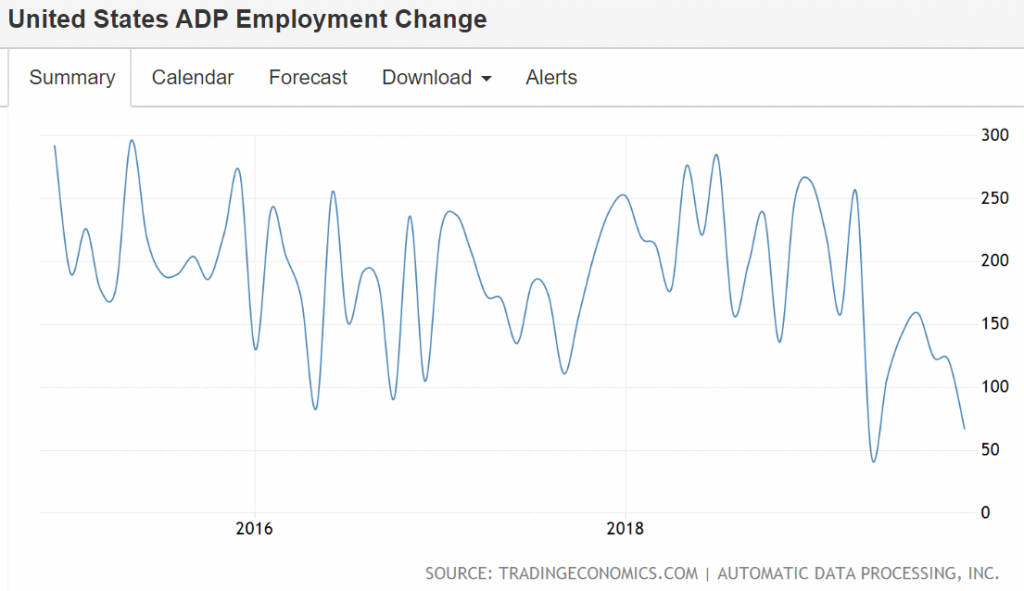
US Companies Add the Least Jobs in 6 Months: ADP

Private businesses in the US hired 67K workers in November, well below market expectations of 140K and compared with a downwardly revised 121K in October. The service-providing sector added 85K jobs, driven mostly by education & health; professional & business; leisure & hospitality and other services. Meanwhile, the goods-producing sector shed 18K jobs, the third straight month of falling employment and the sixth in 2019.

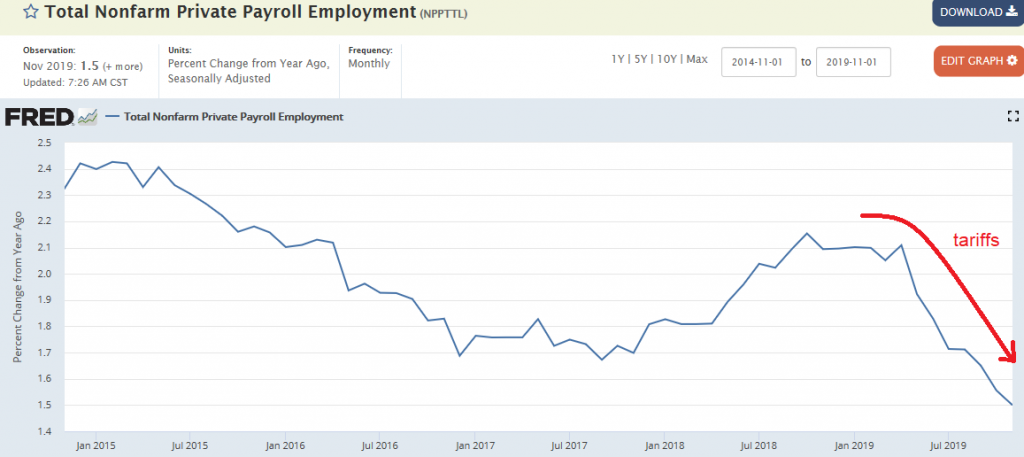
The chart shows how the tariffs caused a serious deceleration of hiring:

The collapse from the current tariffs is still underway, with new ones scheduled to kick
in Dec 15. And the President measure the success by how much tax the US is collecting
from the tariffs, which he believes is being paid by China. That is he sees collecting more
in taxes = ‘winning’:

U.S. has not ruled out tariffs on imported cars, commerce chief says

Here We Go Again: U.S. Threatens 100% Tariffs on French Cheese and Champagne


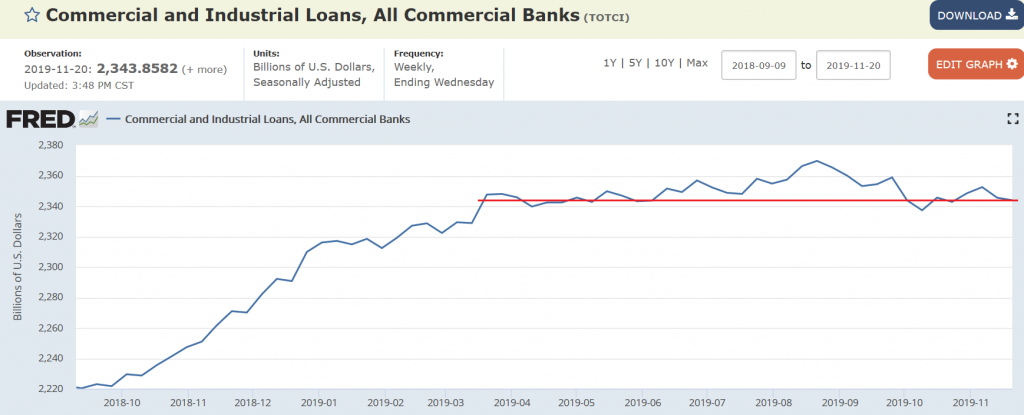
No growth at all for the last 8 months:

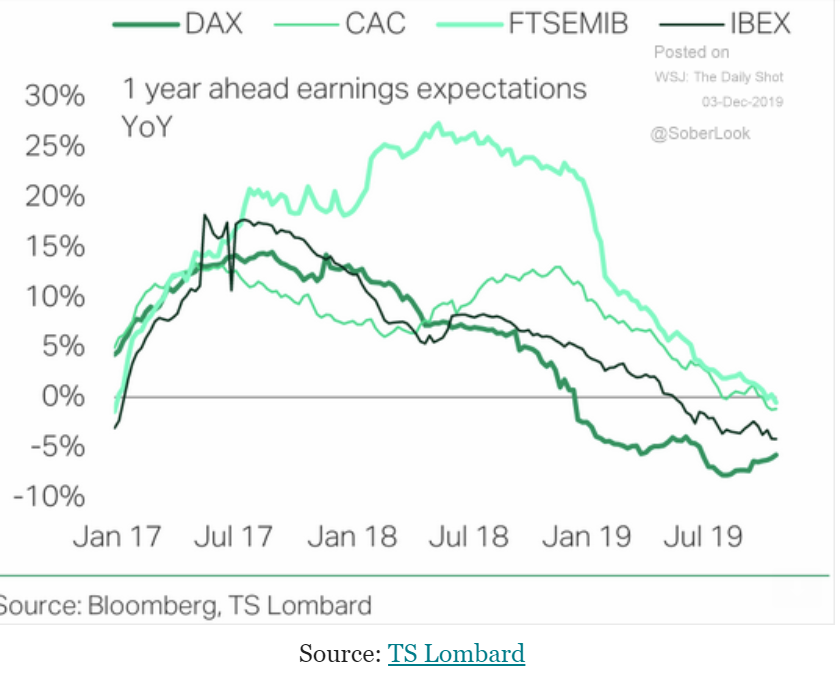
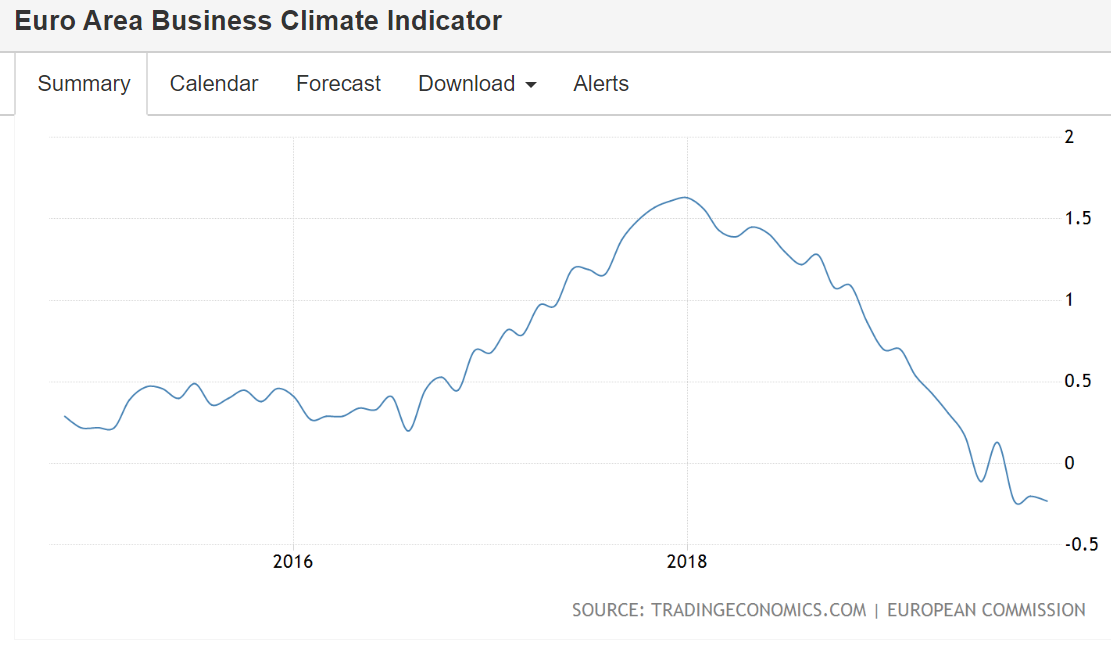
Earnings expectations decelerated to 0 or less:

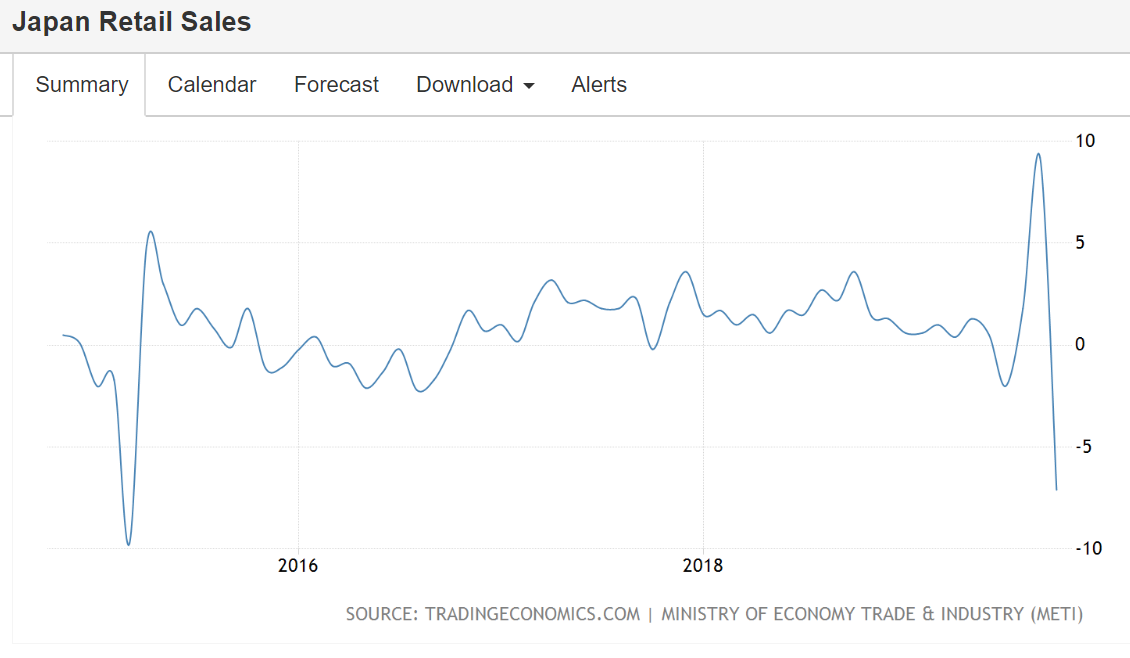
Euro area business climate, US small business employment, Japan retail sales, Australia

Happy Thanksgiving to all!

Who would’ve thought?
;)
Australia Q3 Private Investment Falls More than Estimated

Private capital expenditure in Australia dropped by 0.2 percent quarter-on-quarter in the three months to September 2019, following a revised 0.6 percent fall in the previous period and compared with market expectations of a 0.1 percent drop. This was the third straight quarter of decline in private investment, mainly due to a decrease in capital expenditure for equipment, plant and machinery (-3.5 percent vs 2 percent in Q2). On the other hand, spending for building and structure rebounded (2.7 percent vs -3 percent). Through the year to the third quarter, private capital expenditure shrank 1.3 percent.

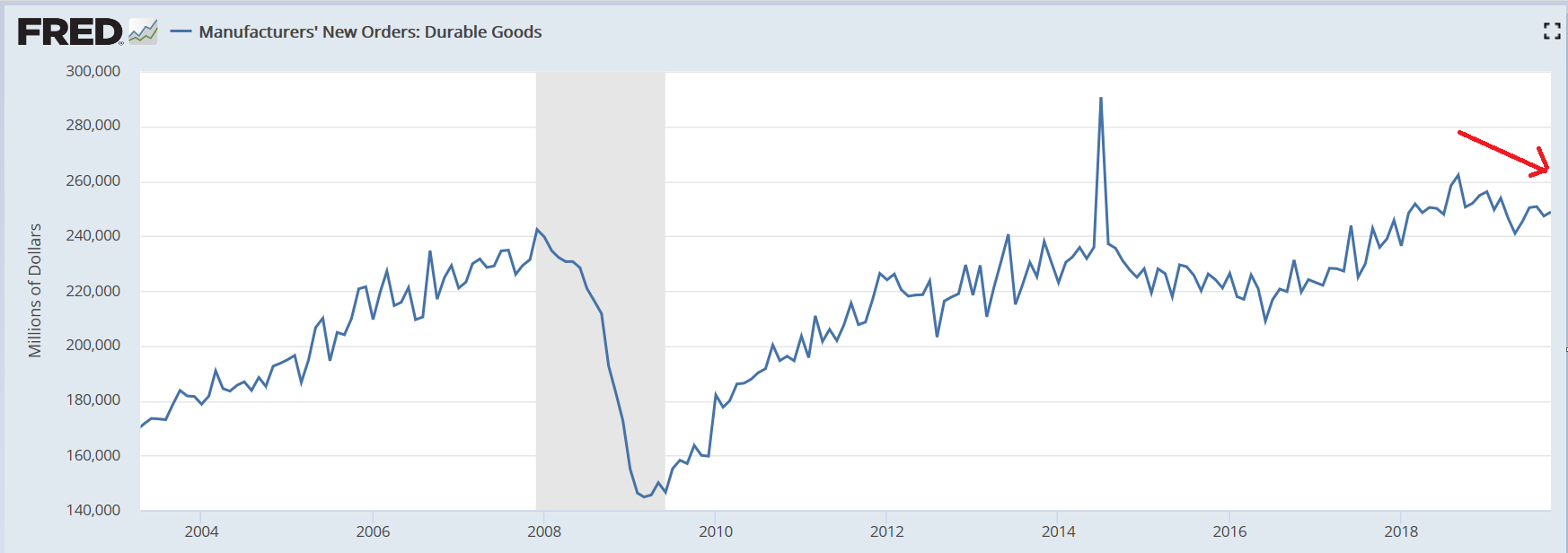
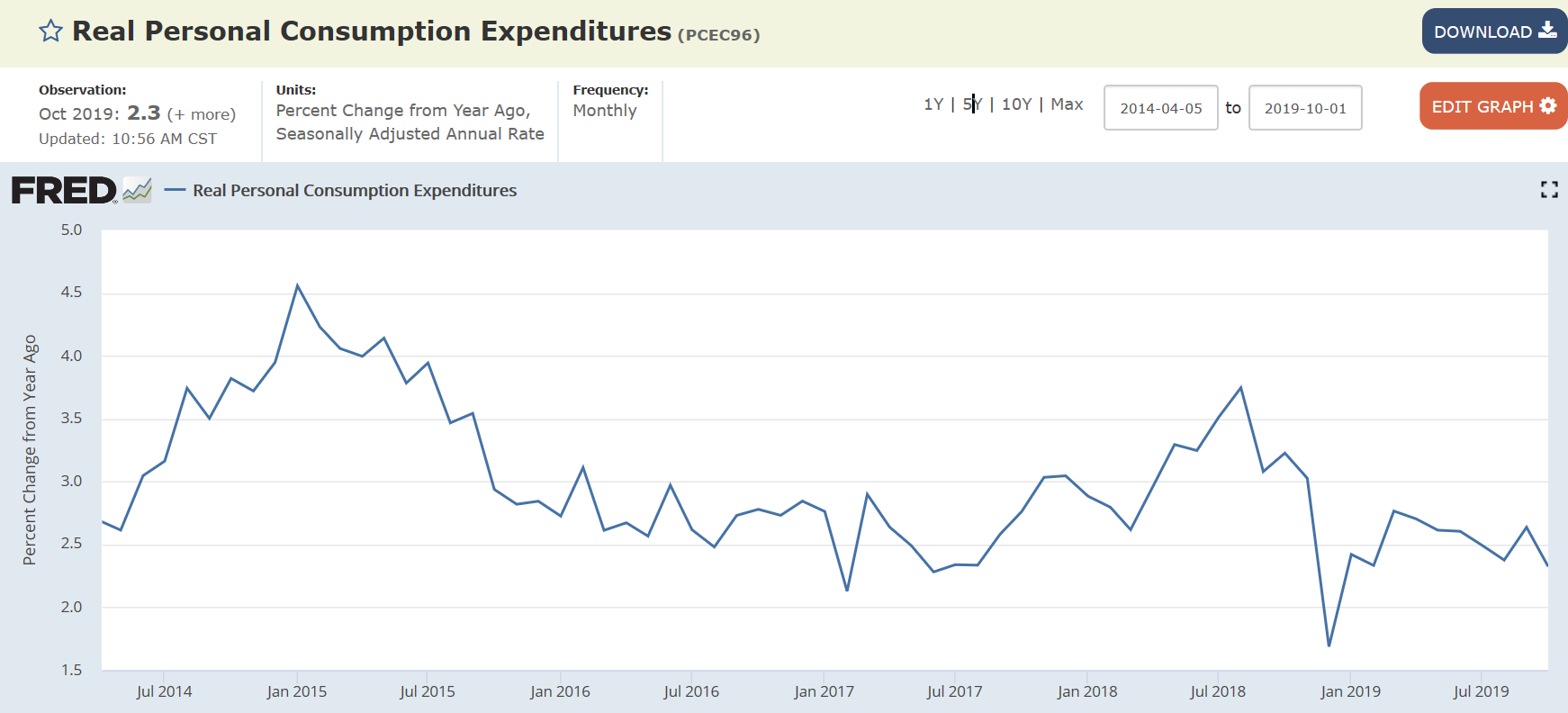
Durable goods orders, Personal consumption and spending, Richmond Fed, Chicago PMI, Chemicals

In contraction:

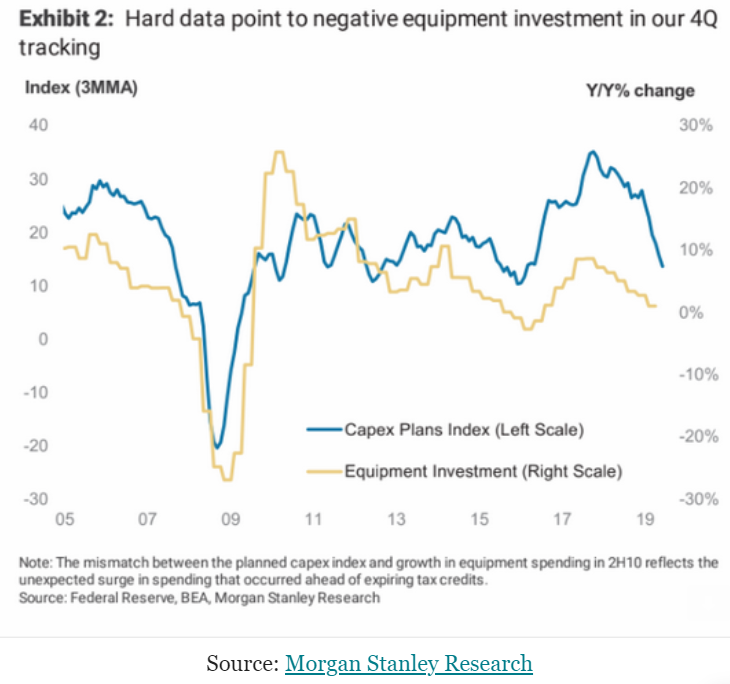
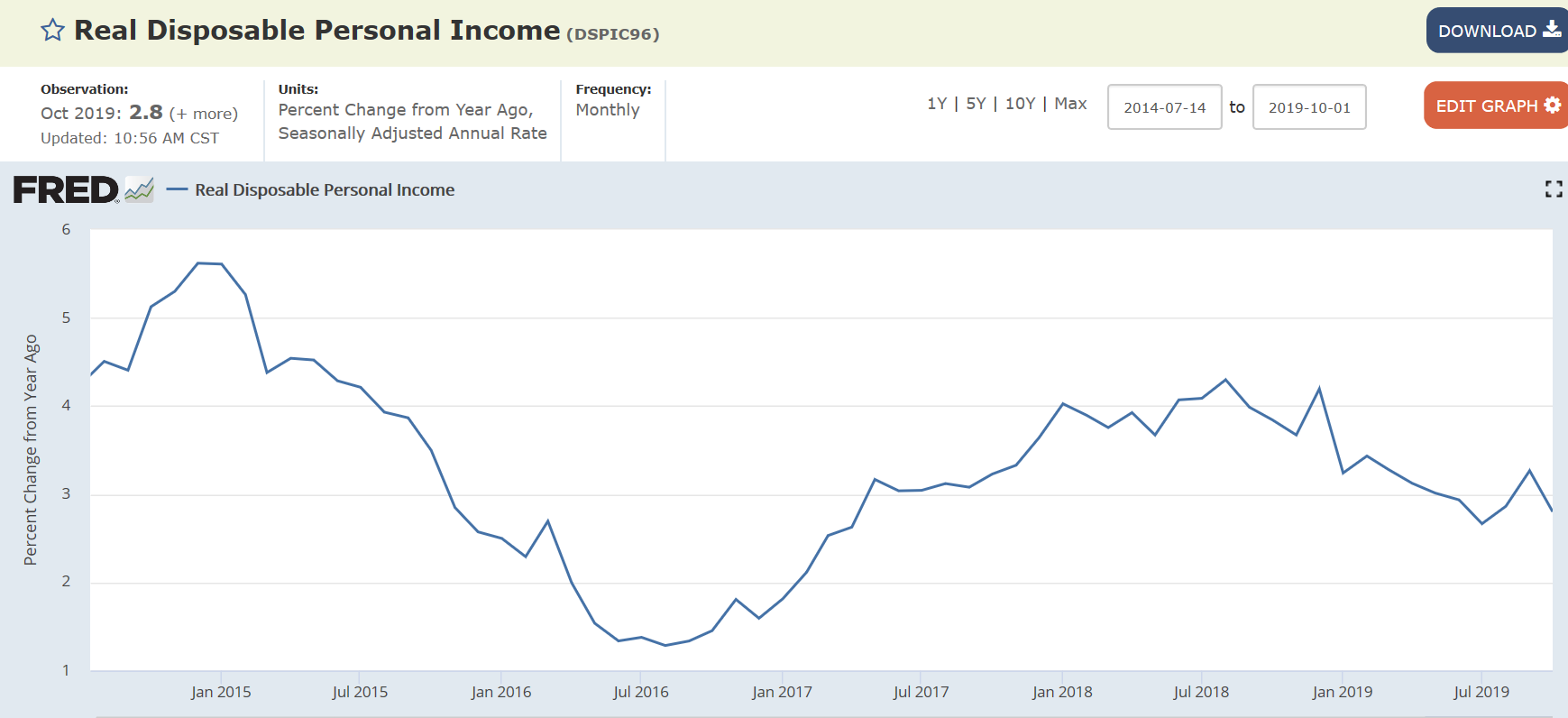
Deceleration that was temporarily interrupted by the tax cuts has resumed with the tariffs:

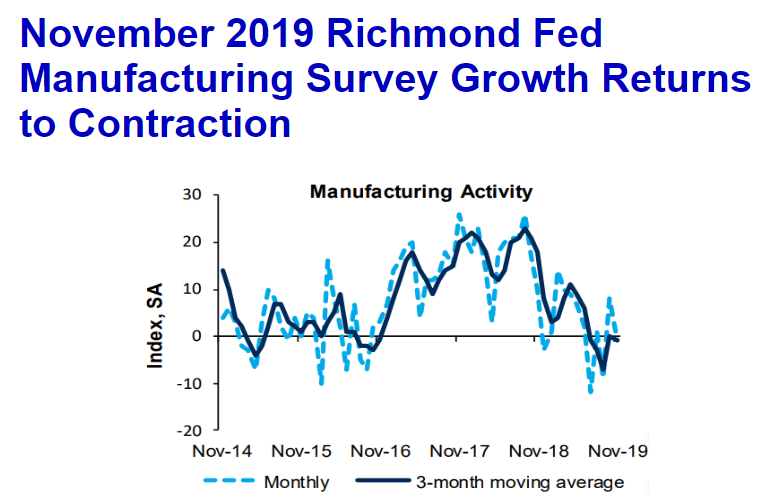
The Manufacturing Activity Index in the US fifth district including the District of Columbia, Maryland, North Carolina, South Carolina, Virginia, and most of West Virginia decreased to -1 in November 2019 from 8 in the previous month, missing market expectations of 6. Shipments (-2 vs 4 in October), new orders (-3 vs 7) and backlog of orders (-11 vs 6) declined while employment softened (5 vs 13).

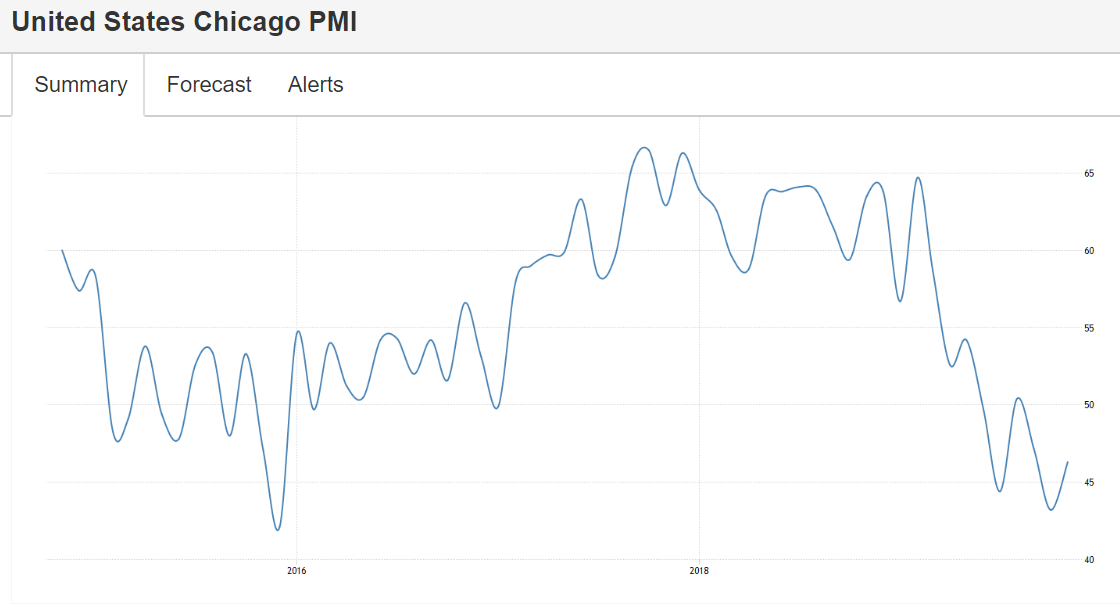
In contraction:

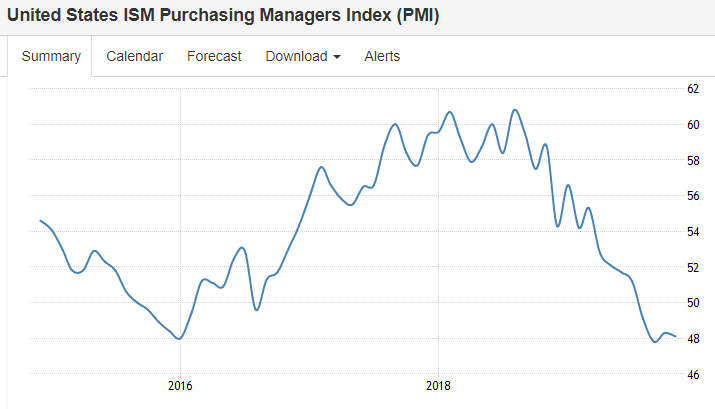
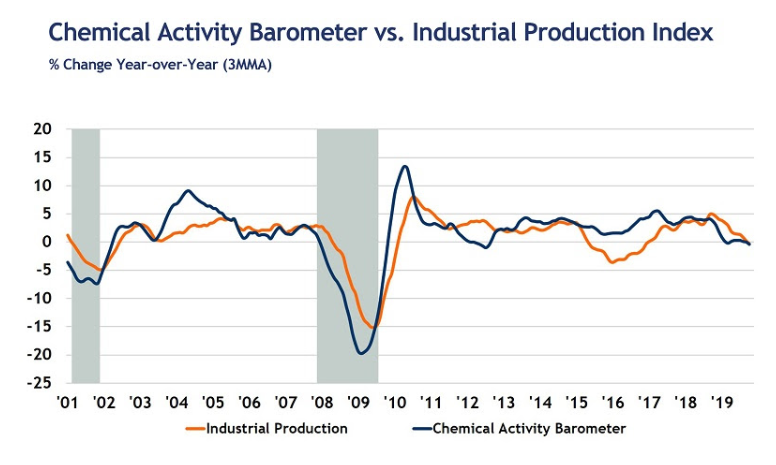
Both now showing contraction:

Trucks, Chemicals, Oil, Fed comments

America’s largest truck-engine manufacturer just announced 2,000 layoffs — and it’s another sign of the trucking ‘bloodbath’ that’s slamming the $800 billion industry

Volvo announces mass layoffs due to lack of demand for trucks

US Chemical Output Slows in October As Manufacturing Cools

Oil Drillers Continue to Remove Rigs From Permian Basin

Total US Rig Count Declines: Rigs engaged in the exploration and production of oil and natural gas in the United States totaled 803 in the week through Nov 22, lower than the prior-week count of 806. The current national rig count is also below the prior year’s 1079.

US Refiners Reduce Crude Processing for First Time Since 2009

Fed’s Powell:
However, Powell added that the Fed does see some risks, including: –Trade. “Business contacts around the country have been telling us that trade-related uncertainties are weighing on their decisions. These global developments have been holding back overall economic growth.”

–Manufacturing. Powell said that U.S. manufacturing output only recently surpassed its pre-recession levels and has since declined this year. He added that business investment “has also weakened.”

Top news, Chicago Fed, Dallas Fed, Philly Fed, Fed coincident indicators

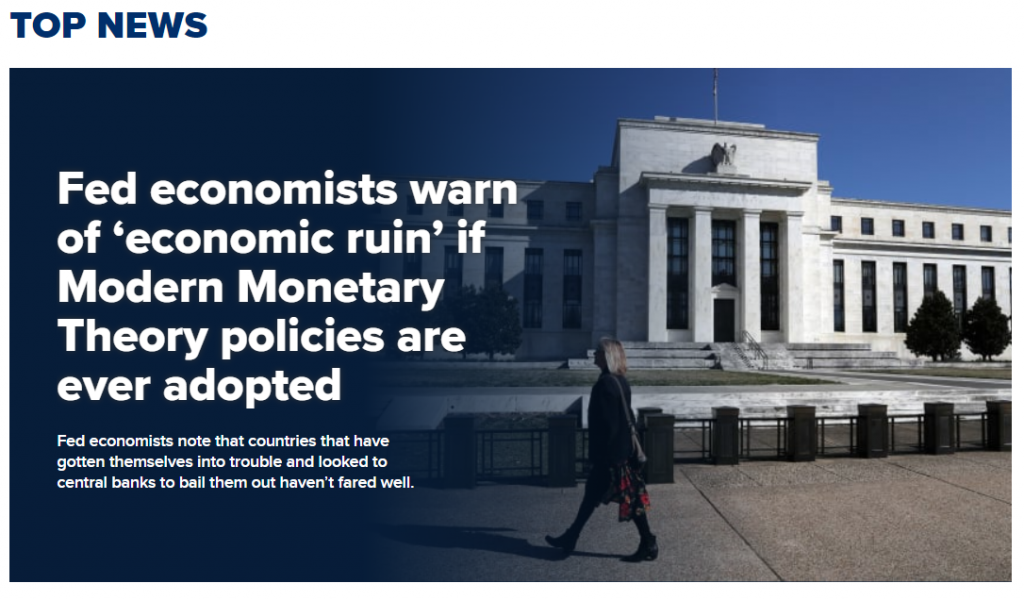
Top news!!!
;)
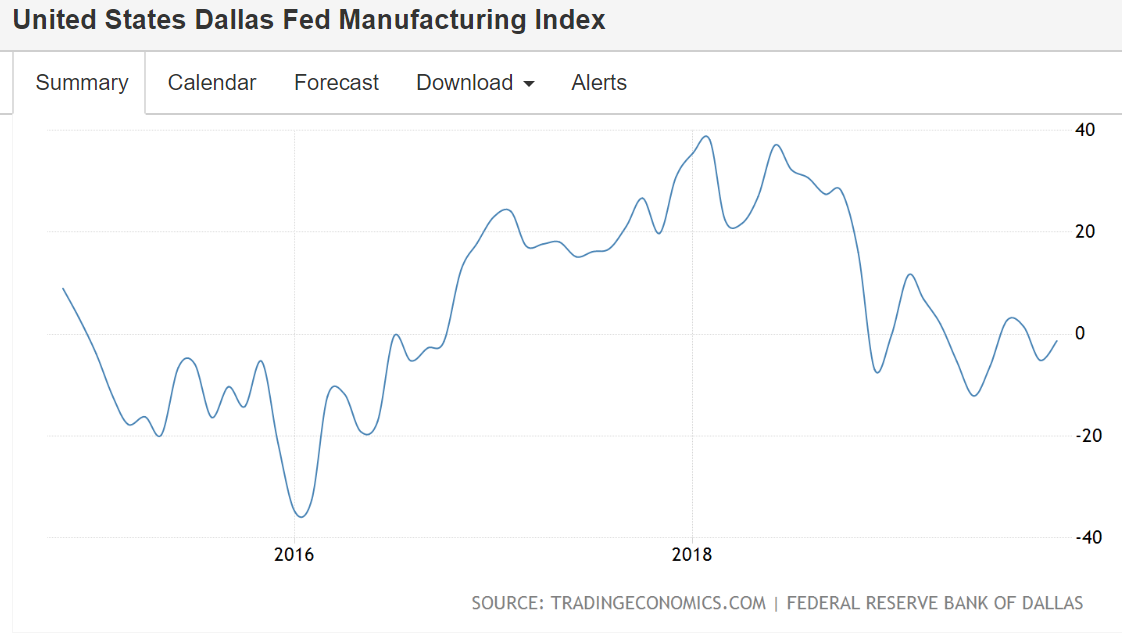

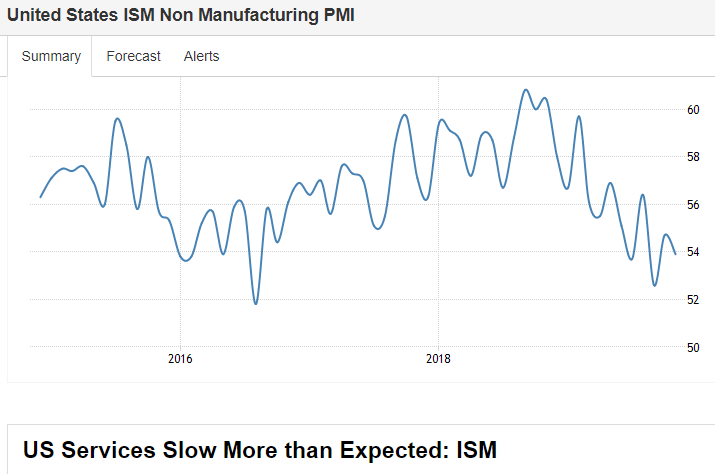
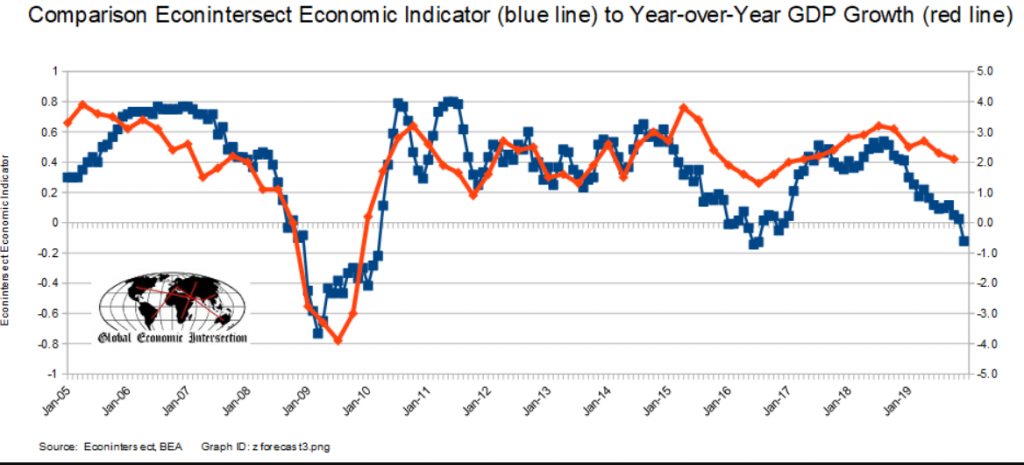
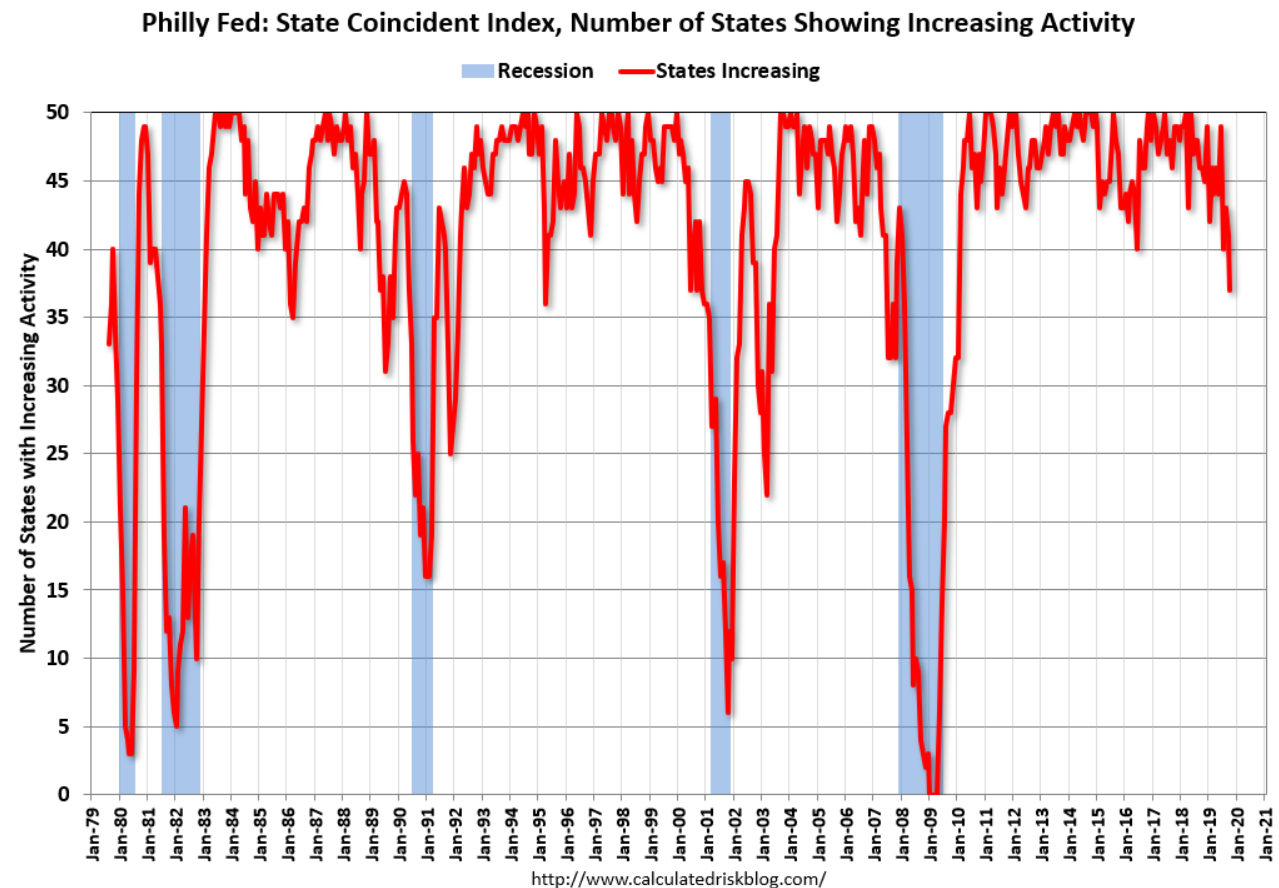
Deceleration most everywhere:

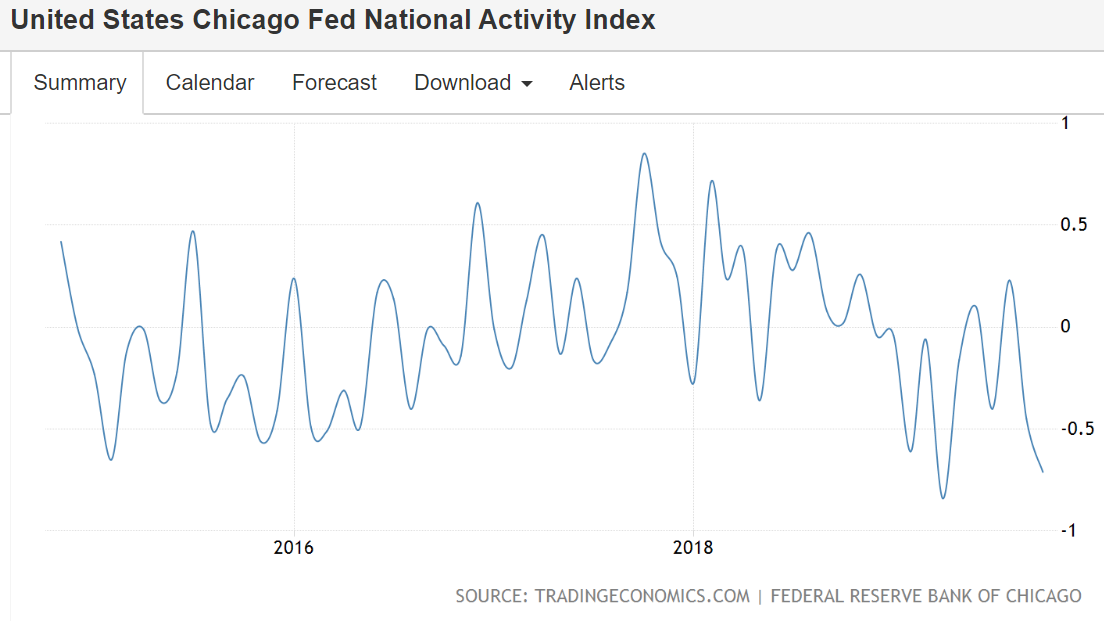
Chicago Fed National Activity Index Falls Unexpectedly

The Chicago Fed National Activity Index fell to -0.71 in October from -0.45 in September and below market forecasts of -0.43. That was the lowest reading since April, as all four categories made negative contributions to the index. Production-related indicators contributed the most to decline followed by employment.


In contraction as rig counts continue to decline:

The Federal Reserve Bank of Dallas’ general business activity index for manufacturing in Texas rose to -1.3 in November 2019 from -5.1 in the previous month, above market consensus of -11.3. The production index, a key measure of state manufacturing conditions, dipped into negative territory for the first time since mid-2016 (-2.4 vs 4.5 in October). Other measures of manufacturing activity were also negative in November: new orders (-3.0 vs -4.2); growth rate of orders (-9.3 vs -5.9); capacity utilization (-5.3 vs 3.6); and shipments (-4.5 vs 6.0). The company outlook index fell 10.9 points to -2.1; while the index measuring uncertainty regarding companies’ outlooks moved up 5.0 points to 17.1. Labor market measures suggested employment levels were unchanged. Looking ahead, expectations regarding future business conditions remained optimistic in November.


Ominous:


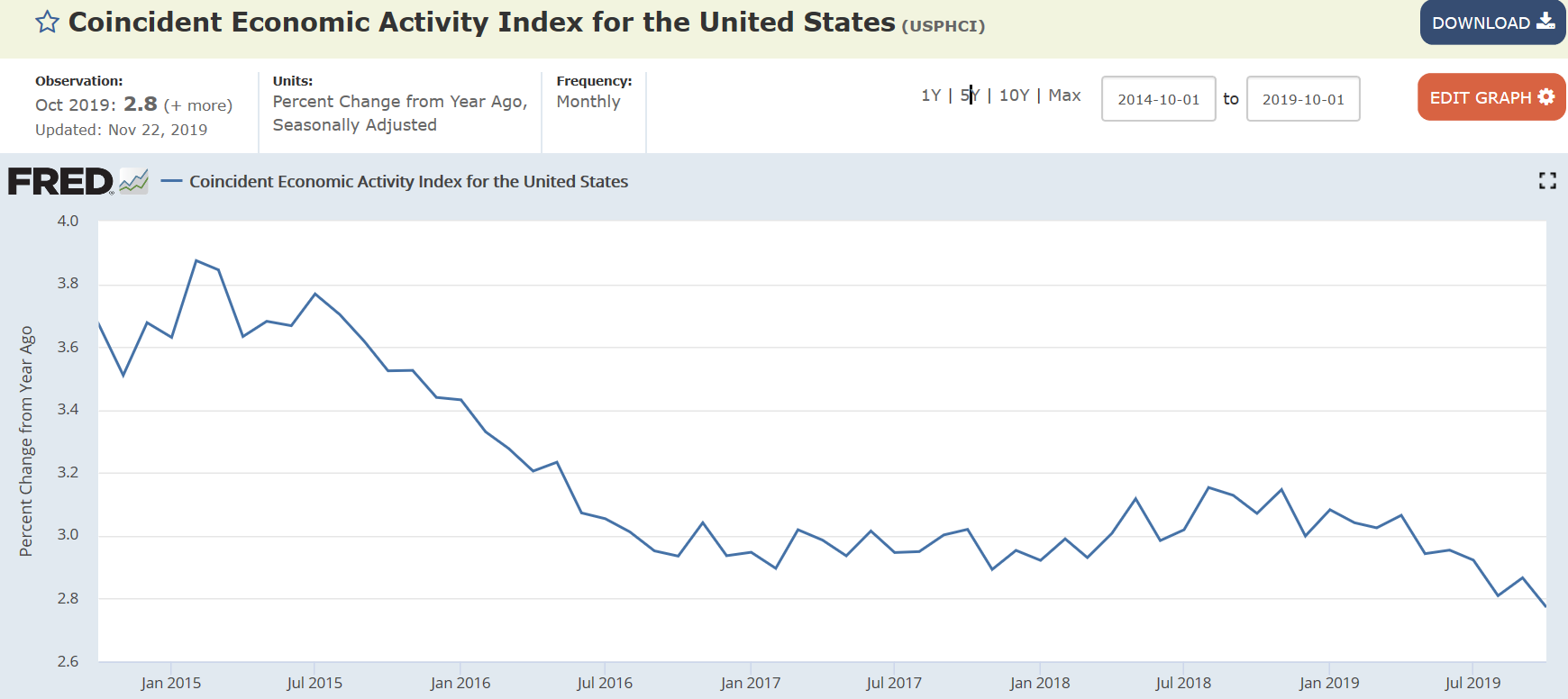
Turned down with tariffs: