
ENGLISH TRANSLATION FROM ITALIAN
Expansive economic policies. Unemployed and reintegration into work in the Third Sector. Interview with Warren Mosler
Shirin Chehayed – 09/18/2024 06:13:41 PM (updated 09/18/2024 6:41:45 PM)
The idea of job reintegration in the Third Sector of unemployed paid by the public sector, after a specific training/upgrading course (not only for manual work, but also for tasks that require intellectual and/or creative skills and that involve different levels of pay) is a useful starting point and consistent with the expansive economic policies of the Super Marshall Plan proposed in the Draghi Report, in which an entire chapter was dedicated to social cohesion.
A few questions to Warren Mosler, co-founder of Modern Money Theory, the school of economic thought that focuses on Guaranteed Work as a tool for achieving full employment together with price stability.
Interview with Warren Mosler
Edited by Francesco Chini, Vice president Bottega Partigiana
What kind of company do you think would be where the ideas of MMT were accepted and applied? In other words, what would be the company that Warren Mosler would want?
It would certainly be a very different place to live. It would be a society where the public sector is much more concerned, than today, with pursuing policies for the benefit of the collective interest. A society where there is always availability of good jobs for those who are able to work, where there is a good public health system, a good public school system, where the financial sector is much smaller than today’s, where private economic activities compete for workers, where therefore companies do everything to meet the needs of consumers but – above all – where people are important.
It would certainly be a society more similar, in terms of economic policies, to that of the fifties and sixties, when the Keynesian economy dominated. With the substantial difference, however, that the Keynesian economy did not have a real understanding of the price composition and inflationary dynamics related to prices and these gaps were exploited following the oil crises of the 1970s to dismantle the Keynesian economic system and therefore to return to monetarism.
In these respects, the MMT turns out to be a much more efficient analytical framework than the “traditional” Keynesian framework. The MMT is therefore something much more difficult to break down than the Keynesian economy. I don’t know if I will see the day when it will really be possible to live in a society where the ideas of MMT are accepted and implemented, but I think that day will come. In any case, I am working hard to ensure that day comes as soon as possible.
What could be the benefits of implementing a Guaranteed Work plan?
In a nutshell, the economic policy now in use (that is, the one that provides for a “natural unemployment rate”) unloads the burden of price control on the unemployed. According to this model currently still dominant, the higher the unemployment, the more price stability. On the other hand, the MMT shows that it is possible to achieve a permanent condition of full employment combined with price stability. It is for this reason that, when I say that “unemployment is a crime against humanity”, I say it with reason.
It should be remembered that the phenomenon of unemployment is caused by the public sector. In order to be able to provide itself with the labor and the goods and services necessary for its operation, the public sector imposes taxation. That is, it imposes an “element of coercion” through which to force the use of one’s own currency. Therefore, if the public sector does not issue enough currency (to fulfill tax obligations and to meet the needs of savings of private individuals), the consequence is the emergence of unemployment.
With Guaranteed Work, however, for a citizen it would always be possible to access paid employment by the public sector. The level of remuneration of Guaranteed Work members would be determined by the public sector with a minimum wage. As long as this level of pay is not changed by the public sector, no type of inflationary tension is created. In other words, the public sector determines a price (that is, how much currency to receive
for one hour of work) and let the number of workers adhering to the Guaranteed Work fluctuate according to the trend of the economy. In reality, the Guaranteed Work system not only does not create inflationary tensions, but itself acts as a mechanism for controlling inflation.
It is a much more efficient mechanism for controlling inflationary tensions than the current one, where citizens are left without work and unemployment is increased in the hope that by doing so it will be possible to reduce inflationary pressures.
Would the introduction of Guaranteed Work have a positive impact both in the short and long term?
The answer is obviously yes. The well-being of a nation is given first of all by what it produces for its own enjoyment. More people working means further productivity incentives, since when you have a condition of full employment on a permanent basis then you have a great incentive to increase productivity. The reason is that, when you are in a real condition of full employment, only by increasing productivity is it possible to grow
further from an economic point of view. Therefore, it is precisely full employment policies that create the conditions for the entire economic system to be incentivized to increase productivity.
Why do you think it is better to treat the issue of the elimination of unemployment not as a question of rights, but as harm perpetrated by the public sector on the citizen?
Yes, it’s a really important topic. What must be understood is that unemployment is created, by definition, by the imposition of taxation by the public sector. Through the imposition of taxation, the public sector ensures that citizens need the currency issued by the public sector to fulfill tax obligations and therefore the public sector should, as a logical consequence, hire all the people who have remained unemployed to allow them to pay taxes.
The problem is that with the taxation by means of the currency of taxes, the public sector has created more unemployed than those it is then willing to hire, that is, to make them work. Unemployment is therefore the result of a “structural dysfunction”, as taxes were first imposed (in the currency issued by the public sector, as it is obvious) but then those unemployed created precisely following the imposition of taxation were not hired.
In my opinion, this error needs to be remedied both by reducing the overall tax burden and by hiring people (who, as the system is structured, the imposition of taxes has made them unemployed) by means of a job paid by the public sector. In other words, with a Guaranteed Work plan.
During the summer, an interview of hers was published on Bloomberg where she stated that the USA is spending like “a drunken sailor”. Seeing that one of the founders of the MMT, an economic school that has always characterized itself in the past to criticize the lack of public spending, now makes a criticism referring to the excess of public spending seems strange. Can you explain to us the reason for your criticism of the way the USA is spending public today?
This question brings to mind when, in the eighties, I went to Argentina invited to speak by some institutional representatives.
At the time, the annual inflation rate in Argentina was 36%. The Argentine central bank argued that to reduce inflation it was necessary for interest rates to be higher than the inflation rate and therefore the central bank set interest rates at 40%. After a few months, inflation had exceeded 40%, so the central bank decided to bring rates to 50%.
However, inflation continued to rise. Every time the central bank raised rates and every time inflation increased. I remember that the last increase in rates had brought them to 80%. I went to talk to the governor of the Argentine central bank, asking him if he was sure that raising rates would curb inflation and we had a meeting on the subject together with his collaborators.
My position was – and still is today – that the “natural rate” (i.e. the one that creates the least alterations in the dynamics between creditors and debtors) is zero. After this interview, the Argentine central bank did not bring the rates to zero (as I had hoped to do), but it reduced them from 80% to 40%. This immediately generated a significant reduction in inflation, which fell in line with the rate level.
Returning to the question, my criticism of how the USA spends today does not refer to public spending itself but is aimed in particular at the current monetary policy pursued by the US central bank, that is, the Federal Reserve. Following the dictates of economic orthodoxy, the Federal Reserve seeks to reduce inflation by raising interest rates.
The basic idea is the same as that expressed at the time by the governor of the Argentine central bank, namely that increasing interest rates causes a slowdown in economic activity. In the current situation in the USA, with a public debt of more than 100% of GDP, the increase in interest rates not only does not slow down economic activity but accelerates economic activity. The liquidity channel deriving from the payment of interest on securities of the state is so large that it more than largely counterbalances any possible regressive effect resulting from the increase in rates.
It may also be that, in a period of high rates, there are also episodes of reduced inflation. These episodes are usually related to the trend of raw materials such as oil. If oil falls, then it is possible that inflation will decrease even if the central bank has raised rates.
It should also be noted that high rates mean giving a “citizenship income” in favor of those who already have money, in the form of coupons on public debt securities. Plus the rates go up and the more these coupons are pingue. In other words, high rates like today in the USA means implementing an obscenely regressive economic policy, where the richest tend to become even richer. This is why I say that today the USA spends like a “drunken sailor”. Instead of spending to improve education, health, public order, social cohesion, and so on, obscene amounts are spent only to allow those who are rich to become richer and richer.
ITALIAN
Politiche economiche espansive. Disoccupati e reinserimento lavorativo nel Terzo Settore. Intervista a Warren Mosler
Qualche domanda a Warren Mosler, co-fondatore della Modern Money Theory, la scuola di pensiero economico che pone al centro il Lavoro Garantito come strumento per ottenere il pieno impiego unitamente alla stabilità dei prezzi.
Intervista a Warren Mosler a cura di
— Francesco Chini vicepresidente Bottega Partigiana —
Secondo lei che tipo di società sarebbe quella dove le idee della MMT fossero accettate e applicate? In altre parole, quale sarebbe la società che Warren Mosler vorrebbe?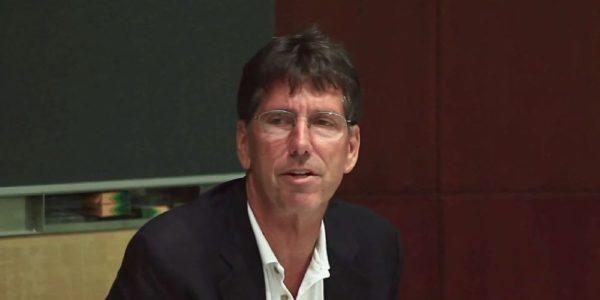
Di certo sarebbe un luogo ben diverso dove vivere. Sarebbe una società dove il settore pubblico si occupa molto di più, rispetto a oggi, di perseguire politiche a vantaggio dell’interesse collettivo. Una società dove c’è sempre disponibilità di buoni posti di lavoro per chi è in grado di lavorare, dove c’è un buon sistema sanitario pubblico, un buon sistema scolastico pubblico, dove il settore finanziario ha dimensioni molto più ridotte rispetto a quelle odierne, dove le attività economiche private si contendono i lavoratori, dove quindi le aziende fanno di tutto per andare incontro alle esigenze dei consumatori ma- soprattutto- dove le persone sono importanti.
Di sicuro sarebbe una società più simile, in termini di politiche economiche, a quella degli anni Cinquanta e degli anni Sessanta, quando l’economia keynesiana dominava. Con la sostanziale differenza, però, che l’economia keynesiana non aveva una reale comprensione della composizione dei prezzi e delle dinamiche inflative riferite ai prezzi e queste lacune furono sfruttate in seguito alle crisi petrolifere degli anni Settanta per smantellare il sistema economico keynesiano e quindi per ritornare al monetarismo.
Sotto questi aspetti, la MMT risulta essere un quadro di analisi molto più efficiente rispetto a quello keynesiano “tradizionale”.
La MMT è quindi un qualcosa di molto più difficile da abbattere rispetto all’economia keynesiana. Non so se io arriverò a vedere il giorno in cui sarà davvero possibile vivere in una società dove le idee della MMT sono accettate e attuate, ma penso che quel giorno arriverà. In ogni caso, io mi sto impegnando affinché quel giorno arrivi il prima possibile.
Quali potrebbero essere i benefici di attuare un piano di Lavoro Garantito?
In estrema sintesi, la politica economica ora in uso (quella cioè che prevede un “tasso naturale di disoccupazione”) scarica l’onere del controllo dei prezzi sul disoccupato. Secondo questo modello, attualmente ancora dominante, più la disoccupazione è alta e più c’è stabilità dei prezzi. La MMT dimostra invece che è possibile conseguire una condizione permanente di pieno impiego unita alla stabilità dei prezzi. È per tale ragione che, quando affermo che “la disoccupazione è un crimine contro l’umanità”, lo dico a ragion veduta.
Va ricordato che il fenomeno della disoccupazione è causato dal settore pubblico. Al fine di potersi approvvigionare della manodopera e dei beni e servizi necessari al proprio funzionamento, il settore pubblico impone la tassazione. Ossia, impone un “elemento di coercizione” attraverso cui forzare l’utilizzo della propria valuta. Quindi, se il settore pubblico non emette sufficiente valuta (per assolvere agli obblighi fiscali e per soddisfare le esigenze di risparmio dei privati), la conseguenza è l’insorgere della disoccupazione.
Con il Lavoro Garantito, invece, per un cittadino sarebbe sempre possibile accedere a un impiego retribuito dal settore pubblico. Il livello di retribuzione degli aderenti al Lavoro Garantito sarebbe determinato dal settore pubblico con un salario minimo. Finché tale livello di retribuzione non viene modificato dal settore pubblico, non si crea alcun tipo di tensione inflattiva. In altre parole, il settore pubblico determina un prezzo (ossia, quanta valuta ricevere per un’ora di lavoro) e lascia che il numero di lavoratori aderenti al Lavoro Garantito fluttui in base all’andamento dell’economia. In realtà, il sistema del Lavoro Garantito non solo non crea tensioni inflattive, bensì agisce esso stesso come meccanismo di controllo dell’inflazione.
Si tratta di un meccanismo molto più efficiente del controllo delle tensioni inflattive rispetto a quello attuale, dove si lasciano i cittadini senza lavoro e si fa aumentare la disoccupazione nella speranza che così facendo sia possibile ridurre le spinte inflazionistiche.
Introdurre il Lavoro Garantito avrebbe un impatto positivo sia nel breve sia nel lungo periodo?
La risposta è ovviamente sì. Il benessere di una nazione è dato anzitutto da quanto essa produce a proprio godimento. Più persone che lavorano significa incentivare ulteriormente la produttività, poiché quando si ha una condizione di pieno impiego su base permanente allora si ha un grande incentivo ad aumentare la produttività. Il motivo è che, quando si è in una condizione reale di pieno impiego, solo aumentando la produttività è possibile crescere ulteriormente dal punto di vista economico. Pertanto, sono proprio le politiche di pieno impiego a creare le condizioni affinché tutto il sistema economico sia incentivato ad aumentare la produttività.
Perché secondo lei è meglio trattare la questione dell’eliminazione della disoccupazione non come una questione di diritti, ma come un danno perpetrato dal settore pubblico sul cittadino?
Sì tratta di un tema davvero importante. Quanto va compreso è che la disoccupazione è creata, per definizione, dall’imposizione della tassazione da parte del settore pubblico. Attraverso l’imposizione della tassazione, il settore pubblico fa sì che i cittadini necessitino della valuta emessa dal settore pubblico per assolvere agli obblighi fiscali e quindi il settore pubblico dovrebbe, quale conseguenza logica, assumere tutte le persone rimaste disoccupate per consentire loro di pagare i tributi. Il problema è che con l’imposizione- per mezzo della valuta dei tributi, il settore pubblico ha creato più disoccupati di quelli che poi è disposto ad assumere, cioè a far lavorare. La disoccupazione è quindi frutto di una “disfunzione di struttura”, in quanto sono prima stati imposti tributi (nella valuta emessa dal settore pubblico, come è ovvio che sia) mapoi non sono stati assunti quei disoccupati creati proprio in seguito all’imposizione della tassazione.
A mio parere, questo errore necessita di essere sanato sia riducendo la pressione fiscale complessiva sia assumendo le persone (che, per come il sistema si struttura, l’imposizione dei tributi ha reso disoccupate) per mezzo di un impiego retribuito dal settore pubblico. In altre parole, con un piano di Lavoro Garantito.
Durante l’estate è uscita su Bloomberg una sua intervista dove lei affermava che gli USA stanno spendendo come “un marinaio ubriaco”. Vedere che uno dei fondatori della MMT, scuola economica che si è sempre caratterizzata in passato per criticare la mancanza di spesa pubblica, ora faccia una critica riferita all’eccesso di spesa pubblica sembra una cosa strana. Ci può spiegare il perché di questa sua critica al modo con cui gli USA oggi stanno facendo spesa pubblica?
Questa domanda mi fa venire in mente quando, negli anni Ottanta, ero andato in Argentina invitato a parlare da alcuni esponenti istituzionali.
All’epoca il tasso d’inflazione annua in Argentina era al 36%. La banca centrale argentina sosteneva che, per ridurre l’inflazione, era necessario che i tassi d’interesse fossero più alti del tasso d’inflazione e quindi la banca centrale stabiliva i tassi d’interesse al 40%. Dopo qualche mese l’inflazione aveva superato il 40%, così la banca centrale decise di portare i tassi al 50%.
L’inflazione però continuava a salire. Ogni volta la banca centrale alzava i tassi e ogni volta l’inflazione aumentava. Ricordo che l’ultimo aumento dei tassi li aveva portati all ’80%. Andai a parlare con il governatore della banca centrale argentina, chiedendogli se fosse certo che aumentare i tassi frenasse l’inflazione e facemmo una riunione sul tema insieme ai suoi collaboratori.
La mia posizione era- ed è ancora oggi- che il “tasso naturale” (ossia quello che crea meno alterazioni nella dinamica fra creditori e debitori) è zero. Dopo questo colloquio, la banca centrale argentina non portò i tassi a zero (come avevo sperato facesse), però li ridusse dall’80% al 40%. Ciò generò immediatamente una significativa riduzione dell’inflazione, che scese arrivando in linea con il livello dei tassi.
Tornando alla domanda, la mia critica a come gli USA oggi spendono non fa riferimento alla spesa pubblica in sé bensì si rivolge in particolar modo all’attuale politica monetaria perseguita dalla banca centrale statunitense cioè la Federal Reserve. Seguendo i dettami dell’ortodossia economica, la Federal Reserve cerca di ridurre l’inflazione aumentando i tassi d’interesse.
L’idea di fondo è la medesima espressa all’epoca dal governatore della banca centrale argentina, ossia che aumentare i tassi d’interesse provochi un rallentamento dell’attività economica. Nella situazione attuale in USA, con un debito pubblico superiore al 100% del PIL, l’aumento dei tassi d’interesse non solo non fa rallentare l’attività economica bensì accelera l’attività economica. Il canale di liquidità derivante dalla corresponsione degli interessi sui titoli di Stato è talmente grande da più che ampiamente controbilanciare ogni possibile effetto regressivo derivante dall’aumento dei tassi.
Può anche darsi che, in un periodo di tassi alti, si verifichino anche episodi di riduzione dell’inflazione. Questi episodi di solito sono da correlarsi all’andamento di materie prime quali il petrolio. Se il petrolio scende, allora è possibile che l’inflazione diminuisca anche se la banca centrale ha aumentato i tassi.
Va inoltre notato che tassi alti significa dare un “reddito di cittadinanza” in favore di chi ha già soldi, sotto forma di cedole sui titoli di debito pubblico. Più i
tassi salgono e più queste cedole sono pingue. In altre parole, tassi elevati come oggi in USA significa attuare una politica economica oscenamente regressiva, dove i più ricchi tendono a diventare ancora più ricchi. Per questo affermo che oggi gli USA spendono come un “marinaio ubriaco”. Invece di spendere per migliorare istruzione, sanità, ordine pubblico, coesione sociale, et cetera, si spendono cifre oscene solo per permettere a chi è ricco di diventare sempre più ricco.